
Light Mode
Dark Mode
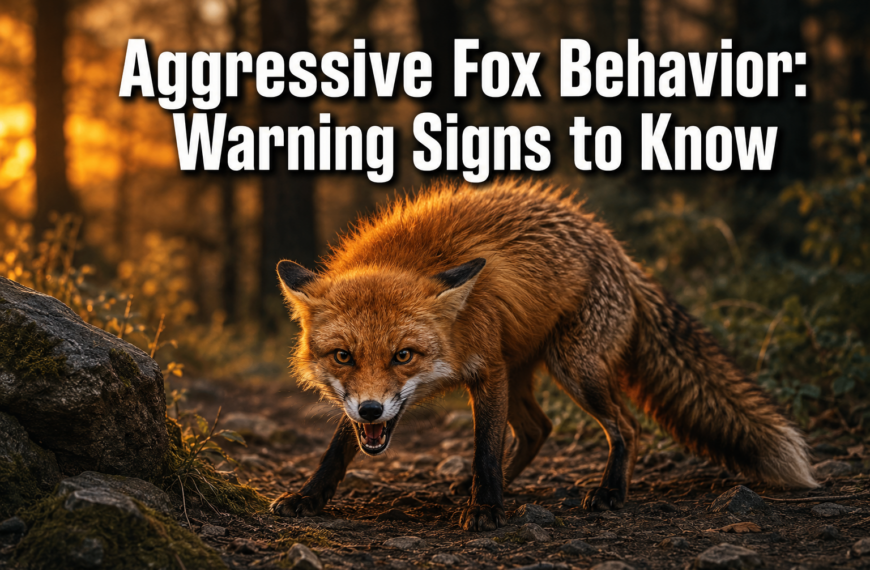
Knowing the real warning signs of aggressive fox behavior matters for safety – here’s how to tell defensive posturing from an actual threat.

A happy fox shows it through specific, recognizable behaviors – here’s how to actually read contentment versus stress in fox body language.

Keen fox visitors aren’t random—discover the surprising garden features that secretly invite these bushy-tailed neighbors into your yard.

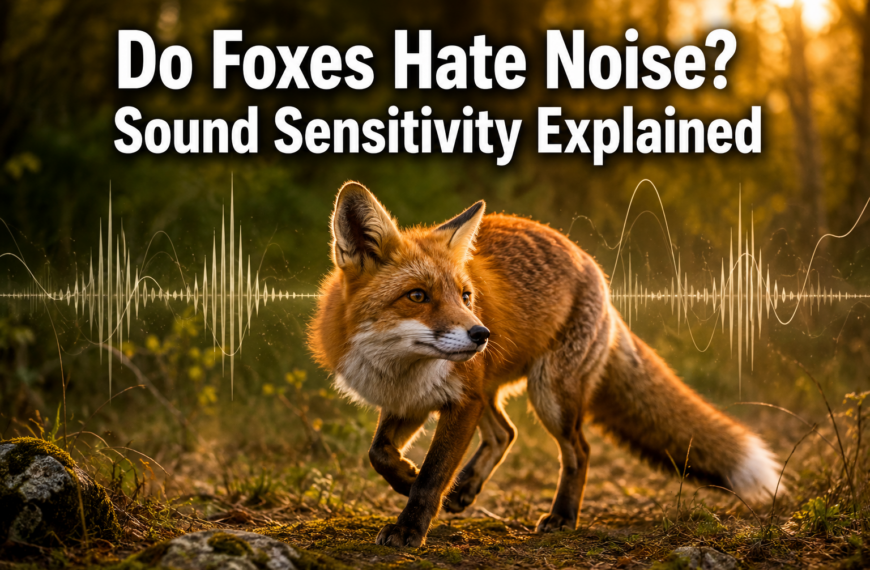
Foxes have far more sensitive hearing than most people realize, and certain sounds affect them more than others – here’s what the science says.

Learn how foxes deceive predators, hunt with precision, and adapt to various environments—nature’s most cunning survivors might surprise you.

Foxes have genuine preferences for play and exploration that go well beyond hunting instinct – here’s what actually occupies a fox’s day.

Gray foxes are the only canid that can climb trees, and the reason comes down to a genuine anatomical difference – here’s how and why…

Lurking in winter’s grasp, foxes employ fascinating survival tactics rather than hibernating—but how do they endure freezing temperatures?