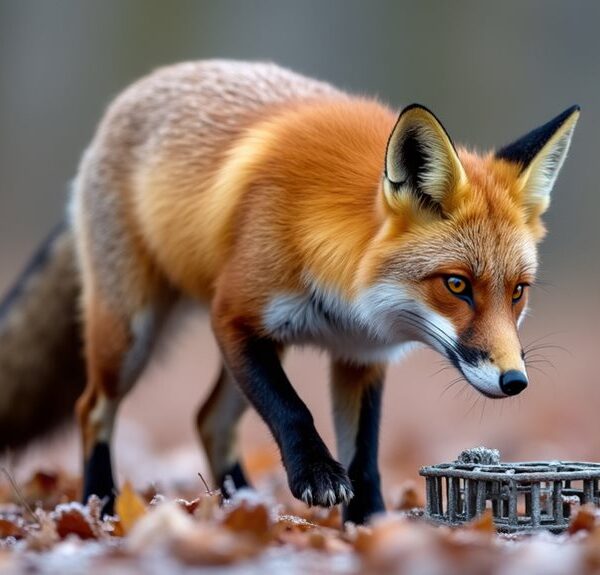

A red fox can move from complete stillness to full sprint in under two seconds, and if your trail camera’s trigger speed lags even half a second behind, you’ll capture nothing but an empty frame and a blur of russet tail. For wildlife enthusiasts hoping to document the secretive lives of foxes, choosing the best trail cameras for foxes means understanding not just camera specifications, but the unique challenges these wary, nocturnal canids present.
Foxes operate on a different schedule than most wildlife. Their crepuscular and nocturnal habits mean most activity happens in low light. Their cautious nature makes them sensitive to camera noise, visible flash, and human scent. And their relatively small size, an adult red fox weighs just 10-15 pounds, requires cameras with sensitive motion detection that won’t miss a quick, low-profile subject. Whether you’re monitoring den sites during spring when kits emerge, tracking urban foxes navigating suburban gardens, or simply hoping to document the red fox range across your property, the right equipment makes all the difference.
Key Takeaways
- Trigger speed matters most: Foxes move quickly; cameras with sub-0.3-second trigger speeds capture behaviour rather than empty frames
- Infrared over white flash: No-glow infrared LEDs prevent spooking wary foxes while delivering clear night footage of nocturnal habits
- Detection sensitivity is critical: Adjustable PIR sensors tuned to small, fast-moving subjects prevent missed triggers when foxes pass through
- Video reveals behaviour: High-quality video clips (1080p minimum) capture vocalisations, social interactions, and hunting techniques that still images miss
- Placement strategy equals equipment: Even premium cameras fail without proper positioning near travel corridors, den sites, and feeding areas
Understanding Fox Behaviour and Camera Requirements
Before evaluating specific models among the best trail cameras for foxes, it’s essential to understand what makes foxes different from deer, raccoons, or other common trail camera subjects.
Nocturnal Habits and Low-Light Performance
Foxes are primarily active during twilight and darkness. Research on fox night vision capabilities shows their eyes contain a high concentration of rod cells and a reflective tapetum lucidum, allowing them to navigate and hunt in near-total darkness. For camera operators, this means:
- Infrared illumination is non-negotiable: Standard white flash will spook foxes and alter their behaviour
- No-glow (940nm) LEDs are preferable to low-glow (850nm) models for truly undetected monitoring
- Video quality in darkness separates premium from budget cameras, look for models with 40+ infrared LEDs
Speed and Trigger Sensitivity
A fox trotting through frame moves at 6-8 mph; when startled or hunting, they can reach 30 mph in short bursts. Their mousing leap, that characteristic pounce on rodent prey, happens in a fraction of a second. This demands:
- Trigger speeds under 0.3 seconds: Anything slower misses the decisive moment
- Wide detection zones: 80-100 feet with broad horizontal coverage (100°+)
- Adjustable sensitivity: Ability to tune PIR sensors for small, warm-bodied subjects
Size and Detection Challenges
Unlike deer or bears, foxes present a smaller heat signature. An adult red fox stands just 15-16 inches at the shoulder. Many trail cameras optimized for large game will fail to trigger consistently for fox-sized subjects, especially at the edges of the detection zone.
Wariness and Camera Shyness
Foxes are neophobic, suspicious of new objects in their territory. They’ll often investigate a newly placed camera cautiously or avoid it entirely for days. This requires:
- Minimal camera noise: Silent or near-silent operation
- Effective camouflage: Cameras that blend into bark, foliage, or shadows
- Scent control: Wearing gloves during setup and using scent-free practices
For those studying urban foxes versus rural populations, camera placement strategies differ significantly, suburban foxes may be more habituated to human objects but also more unpredictable in their travel patterns.
Top Trail Camera Features for Fox Monitoring
1. Browning Strike Force HD Pro X (2026 Model)
Key Specifications:
- Trigger speed: 0.15 seconds
- Detection range: 100 feet
- Video: 1920×1080 HD with sound
- Infrared: 20 no-glow LEDs
- Battery life: Up to 8 months (lithium)
The Browning Strike Force has earned its reputation among wildlife researchers for lightning-fast triggers and exceptional image quality. The 0.15-second response time captures foxes mid-stride rather than as they exit frame. The 1080p video with audio is particularly valuable for documenting vocalisations during mating season, those eerie screams and gekkering sounds that characterize vulpine behaviour in January and February.
Best for: Documenting den sites and capturing detailed behavioural sequences. The video quality reveals social interactions between vixens and kits that still images miss entirely.
Considerations: Premium price point ($180-220), but the image quality and reliability justify the investment for serious fox observation.
2. Reconyx HyperFire 2 Professional
Key Specifications:
- Trigger speed: 0.2 seconds
- Detection range: 80 feet
- Video: 1080p HD
- Infrared: High-output covert IR
- Battery life: 2+ years (lithium)
Reconyx cameras are the gold standard for wildlife research and population tracking. The HyperFire 2 offers unmatched reliability and image quality in a weatherproof housing that withstands years of field deployment. The extended battery life means less disturbance to sensitive sites, critical when monitoring den sites during spring when kits are vulnerable.
Best for: Long-term monitoring projects, remote locations, and professional wildlife documentation. The colour accuracy in daylight images is exceptional for species identification and individual recognition based on coat patterns.
Considerations: Expensive ($400-500), but virtually indestructible and backed by a 5-year warranty. This is an investment camera for dedicated naturalists.
3. Bushnell Core DS No Glow
Key Specifications:
- Trigger speed: 0.3 seconds
- Detection range: 100 feet
- Video: 1920×1080 with audio
- Infrared: 30 no-glow LEDs
- Dual sensor technology
The Core DS uses dual PIR sensors to reduce false triggers while maintaining sensitivity to small subjects, a perfect balance for fox monitoring. The 30 no-glow LEDs provide excellent night illumination up to 80 feet, capturing clear footage of nocturnal habits without alerting subjects.
Best for: Mixed-use monitoring where you’re tracking multiple species. The dual sensors excel in areas with variable temperatures and weather conditions.
Considerations: Mid-range price ($150-180). Slightly slower trigger than premium models but still fast enough for most fox behaviour documentation.
4. Spypoint LINK-MICRO-LTE Cellular Camera
Key Specifications:
- Trigger speed: 0.5 seconds
- Detection range: 80 feet
- Video: 1080p
- Infrared: Low-glow LEDs
- Cellular connectivity (LTE)
For monitoring urban foxes or remote rural properties, cellular cameras eliminate the need for frequent site visits. The LINK-MICRO transmits images directly to your smartphone, allowing real-time observation of fox activity patterns. This is particularly valuable for tracking when foxes visit specific locations, information that helps refine camera placement and observation schedules.
Best for: Remote monitoring, security applications, and tracking movement patterns across large properties. The instant notifications alert you to fox presence in real-time.
Considerations: Requires cellular plan ($5-15/month). The 0.5-second trigger is slower than dedicated wildlife cameras, acceptable for general monitoring but may miss fast action sequences. The low-glow LEDs (850nm) produce a faint red glow that some foxes may notice.
5. Stealth Cam G45NGX Pro
Key Specifications:
- Trigger speed: 0.4 seconds
- Detection range: 100 feet
- Video: 1080p HD
- Infrared: 36 no-glow LEDs
- Time-lapse mode
The G45NGX offers excellent value for budget-conscious observers without sacrificing essential features. The 36 no-glow LEDs provide strong infrared illumination, and the time-lapse mode is particularly useful for monitoring den sites, capturing images at set intervals regardless of motion detection.
Best for: First-time trail camera users and those monitoring multiple locations on a budget. The time-lapse feature documents den activity throughout the day, revealing when vixens leave to hunt and when kits emerge to play.
Considerations: Budget-friendly ($90-120). The 0.4-second trigger is adequate for most applications but may miss the fastest movements. Image quality is good but not exceptional compared to premium models.
Strategic Camera Placement for Fox Documentation
Even the best trail cameras for foxes will fail without proper placement. Foxes are creatures of habit, using the same travel corridors, den sites, and hunting grounds repeatedly. Understanding these patterns transforms random snapshots into comprehensive behavioural documentation.
Travel Corridors and Pathways
Foxes prefer established trails along fence lines, hedgerows, field edges, and woodland borders. These corridors offer cover while providing access to hunting territories. Position cameras:
- 15-20 feet from the trail: Close enough for clear images but far enough to capture the full subject
- Perpendicular to the path: Side-angle shots capture more behaviour than head-on approaches
- At fox height: Mount cameras 18-24 inches above ground, angled slightly downward
Den Sites and Breeding Territories
Spring (March-May in most of the red fox range) offers exceptional opportunities to document family behaviour. Vixens give birth to kits in underground dens, often repurposed badger setts or self-excavated burrows under tree roots, sheds, or rock piles.
Critical considerations:
- Maintain distance: Place cameras 30-40 feet from den entrances to avoid disturbing the family
- Multiple angles: If possible, use 2-3 cameras to capture different approaches and behaviours
- Time-lapse mode: Supplement motion-triggered captures with interval shots every 15-30 minutes
For more information on identifying and understanding den sites, including seasonal variations and habitat preferences, proper research helps ensure ethical observation practices.
Feeding and Hunting Areas
Foxes are opportunistic omnivores, hunting small mammals, birds, insects, and consuming fruits, berries, and carrion. Productive camera locations include:
- Field edges at dusk: Where foxes hunt for voles and mice
- Fruit trees in late summer: Foxes consume fallen apples, pears, and berries
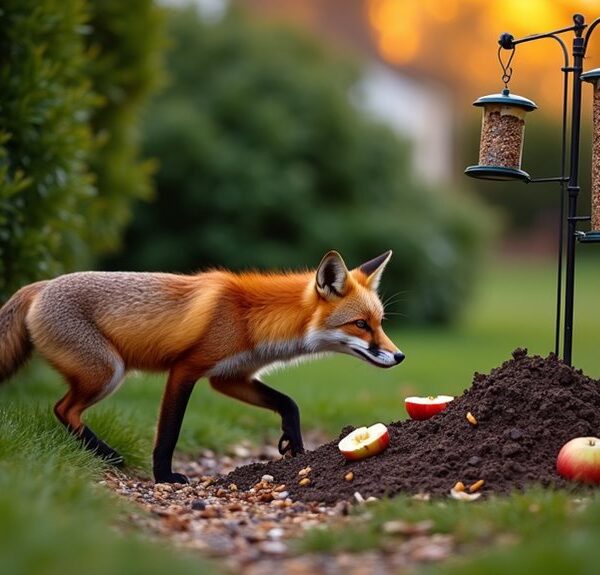
- Compost areas: Urban foxes frequently visit gardens with accessible food sources
If you’re dealing with foxes visiting your property and prefer to deter rather than document them, consider reviewing effective deterrent strategies and garbage can locks to prevent unwanted encounters.
Urban and Suburban Settings
Urban foxes present unique monitoring challenges and opportunities. They’re often more tolerant of human presence but navigate complex environments with multiple potential camera locations:
- Garden pathways: Foxes use consistent routes through residential areas
- Under decks and sheds: Common daytime resting spots
- Along building foundations: Travel corridors that offer cover
Urban-specific tips:
- Use camouflage skins or cases to blend cameras with fences, walls, or vegetation
- Secure cameras with cable locks, urban areas carry higher theft risk
- Be mindful of neighbours’ privacy when positioning cameras
Optimizing Camera Settings for Fox Behaviour
Video vs. Still Images
For fox documentation, video provides significantly more behavioural information than still images. A 30-second video clip captures:
- Vocalisations: The full range of fox sounds from barks to screams
- Social interactions: Play behaviour between kits, grooming, and dominance displays
- Hunting techniques: The characteristic mousing leap and prey handling
Recommended settings:
- Video length: 30-60 seconds per trigger
- Resolution: 1080p minimum (4K if available and storage permits)
- Audio: Always enabled to capture vocalisations
Still images work well for:
- Identification and individual recognition
- Time-stamped presence/absence data
- Conserving battery and storage in long-term deployments
Sensitivity and Detection Settings
Most modern trail cameras offer adjustable PIR sensitivity (low/medium/high). For foxes:
- Start with HIGH sensitivity: Foxes are smaller and faster than deer
- Adjust based on false triggers: If wind-blown vegetation causes excessive false captures, reduce to medium
- Test thoroughly: Spend a week reviewing captures and fine-tuning settings
Time-Lapse for Den Monitoring
When observing den sites, combine motion-triggered captures with time-lapse mode:
- Interval: Every 15-30 minutes during daylight hours
- Purpose: Documents when vixen leaves/returns and when kits first emerge
- Duration: Run time-lapse for 2-4 weeks during peak kit activity (April-May)
This approach captures behaviour that might not trigger motion sensors, kits playing near the den entrance, vixen sunbathing, or subtle social interactions.
Essential Accessories and Setup Tips
Supporting Equipment
To maximize success with your trail camera setup, consider these complementary tools:
1. SD Cards: High-capacity (64-128GB), high-speed (Class 10 or UHS-I) cards prevent buffer delays and accommodate weeks of video footage.
2. Lithium Batteries: Standard alkaline batteries fail in cold weather and drain quickly. Lithium batteries last 2-3 times longer and perform reliably in freezing temperatures, critical for winter mating season documentation.
3. Security Cables and Locks: Protect your investment, especially in accessible locations. Python-style cables thread through the camera housing and lock around trees.
4. Mounting Hardware: Tree mounting brackets, ground stakes, and adjustable arms allow precise positioning. For those serious about wildlife photography beyond trail cameras, explore options for camera backpacks and tripods to support additional observation equipment.
5. Scent Control: Wear gloves during setup, use scent-free sprays, and avoid touching the camera front. Foxes investigate new objects by scent first.
Setup and Maintenance Protocol
Initial Placement:
- Scout locations for 1-2 weeks before camera deployment, looking for tracks, scat, and trails
- Clear vegetation from the detection zone to reduce false triggers
- Test camera at home first, verify settings, trigger speed, and image quality
- Position camera north-facing when possible to avoid sun glare in dawn/dusk images
Ongoing Maintenance:
- Check cameras every 2-4 weeks (more frequently during critical observation periods)
- Review images in the field using camera’s preview screen to verify positioning
- Bring spare batteries and SD cards for field swaps
- Document any changes to camera position or settings in a field notebook
Seasonal Adjustments:
- Winter: Ensure cameras are rated for cold temperatures; clear snow from detection zones
- Spring: Focus on den sites; increase check frequency during kit emergence
- Summer: Monitor for vegetation growth blocking detection zones
- Autumn: Document dispersal behaviour as young foxes leave natal territories
Ethical Considerations and Best Practices
Wildlife observation carries responsibilities. When monitoring foxes:
Minimize Disturbance:
- Never approach active dens closer than 30 feet
- Limit site visits during sensitive periods (first 3 weeks after kits are born)
- If foxes show signs of stress (abandoning dens, altered behaviour), remove cameras immediately
Respect Private Property:
- Always obtain permission before placing cameras on land you don’t own
- Inform landowners about camera locations and check-in schedules
- Share interesting findings with property owners who’ve granted access
Data Privacy:
- In urban/suburban settings, angle cameras to avoid capturing neighbours’ properties
- Be mindful of pathways and areas where people have reasonable privacy expectations
Share Responsibly:
- When sharing images on social media, avoid revealing specific den locations
- Educate viewers about fox behaviour and conservation
- Correct misconceptions about foxes being dangerous or destructive
For those interested in the broader context of fox conservation and research, understanding population tracking methodologies helps appreciate how trail camera data contributes to wildlife science.
Interpreting Your Trail Camera Data
Once you’ve accumulated weeks or months of fox footage, patterns emerge that reveal the hidden lives of these adaptable canids.
Activity Patterns
Review timestamps to identify:
- Peak activity hours: Most foxes show crepuscular patterns (dawn/dusk) with nocturnal activity
- Seasonal variations: Increased daytime activity during spring when feeding kits
- Individual schedules: Resident foxes often maintain consistent routines
Behavioural Observations
Video footage reveals behaviours rarely witnessed by casual observers:
Vocalisations: The January-February mating season brings dramatic increases in calling, the vixen’s scream and the dog fox’s triple bark. Recording these sounds provides valuable data on breeding activity.
Social Structure: Footage may reveal multiple foxes using the same territory, typically a mated pair plus occasionally a non-breeding vixen (often a daughter from the previous year) who helps raise kits.
Hunting Techniques: The mousing leap, cached food retrieval, and prey handling behaviours demonstrate the fox’s remarkable adaptability and intelligence.
Play Behaviour: Kits engage in elaborate play-fighting, stalking, and pouncing practice that develops hunting skills.
Individual Identification
With high-quality images, you can often identify individual foxes by:
- Coat colour variations and markings
- Tail characteristics (white tip patterns, bushiness)
- Body size and build
- Distinctive scars or features
Maintaining a photo database of individuals allows you to track residents over time, document territory changes, and observe life history events.
Comparing Trail Cameras: Quick Reference
| Model | Trigger Speed | Detection Range | Video Quality | Best For | Price Range |
|---|---|---|---|---|---|
| Browning Strike Force HD Pro X | 0.15s | 100 ft | 1080p + audio | Behavioural documentation | $180-220 |
| Reconyx HyperFire 2 | 0.2s | 80 ft | 1080p | Professional research | $400-500 |
| Bushnell Core DS | 0.3s | 100 ft | 1080p + audio | Multi-species monitoring | $150-180 |
| Spypoint LINK-MICRO-LTE | 0.5s | 80 ft | 1080p | Remote monitoring | $120-150 + plan |
| Stealth Cam G45NGX Pro | 0.4s | 100 ft | 1080p | Budget-conscious observers | $90-120 |
Frequently Asked Questions
What trigger speed do I need for photographing foxes?
Aim for 0.3 seconds or faster. Foxes move quickly and unpredictably, slower triggers result in empty frames or partial captures. Premium cameras with 0.15-0.2 second triggers capture foxes mid-stride, revealing behaviour and body language that slower cameras miss entirely.
Should I use no-glow or low-glow infrared LEDs?
No-glow (940nm) infrared is strongly preferred for fox monitoring. While low-glow (850nm) LEDs are brighter and produce better night images, they emit a faint red glow that wary foxes may notice and avoid. No-glow LEDs are completely invisible to wildlife, ensuring natural behaviour.
How high should I mount a trail camera for foxes?
Mount cameras 18-24 inches above ground, angled slightly downward. This height captures foxes at their natural eye level and body position. Mounting too high (deer height, 3-4 feet) often results in images showing only fox backs or missed triggers as they pass below the detection zone.
Can trail cameras capture fox vocalisations?
Yes, but only cameras with video and audio recording capabilities. Fox vocalisations, particularly the vixen’s scream during mating season and the gekkering sounds of social interaction, are best documented with 30-60 second video clips. Audio quality varies significantly between models; premium cameras offer clearer sound recording.
How often should I check my trail cameras when monitoring foxes?
Every 2-4 weeks for general monitoring; weekly during sensitive periods like den observation in spring. Frequent visits risk disturbing foxes and altering their behaviour. Use high-capacity SD cards (64-128GB) and lithium batteries to extend deployment periods. Cellular cameras eliminate the need for physical checks while providing real-time activity updates.
Will trail cameras disturb fox dens or breeding sites?
When positioned properly (30+ feet from den entrances) and checked infrequently, trail cameras cause minimal disturbance. However, if foxes show signs of stress, abandoning dens, moving kits, or dramatically altered behaviour, remove cameras immediately. The welfare of the animals always takes precedence over documentation.
Conclusion
Selecting the best trail cameras for foxes requires understanding both camera technology and vulpine behaviour. Fast trigger speeds, no-glow infrared, high sensitivity, and quality video capabilities separate effective fox monitoring equipment from general-purpose trail cameras. But equipment alone doesn’t guarantee success, strategic placement near travel corridors, den sites, and feeding areas, combined with ethical observation practices, transforms random snapshots into meaningful wildlife documentation.
Whether you’re tracking urban foxes navigating suburban gardens, monitoring red fox range expansion, documenting den sites during spring when kits emerge, or simply hoping to witness the remarkable adaptability of these canids, the right trail camera setup opens a window into their secretive lives. Start with one quality camera positioned along an established fox trail, review your footage carefully, and adjust your approach based on what the foxes themselves reveal about their habits and preferences.
The most rewarding aspect of trail camera work isn’t the equipment, it’s the accumulated knowledge that comes from patient observation. Over weeks and months, patterns emerge: the resident dog fox who passes at 11:47 PM with remarkable consistency, the vixen who caches prey near the old oak tree, the kits whose play-fighting gradually transforms into genuine hunting skill. These glimpses into vulpine behaviour, captured by cameras that work while we sleep, remind us that even in 2026, foxes maintain their ancient rhythms largely hidden from human eyes.
For those ready to begin their fox monitoring journey, explore our comprehensive guide to trail cameras for additional equipment recommendations, or learn more about fox behaviour and biology to inform your observation strategies. The foxes are out there, following their nightly routines, now you have the tools to document their remarkable lives.