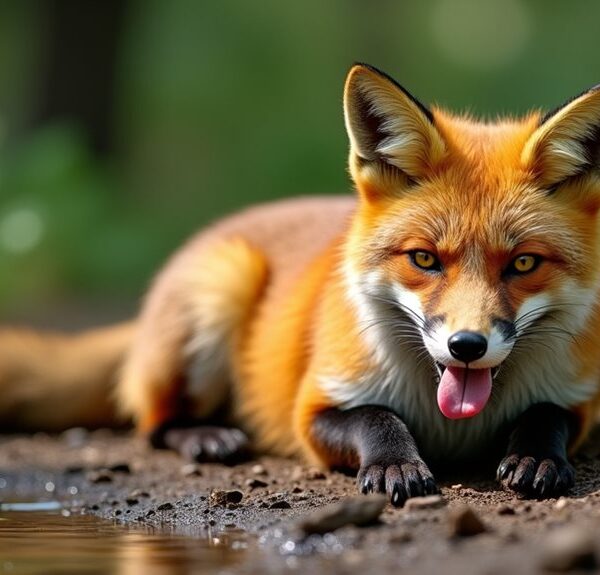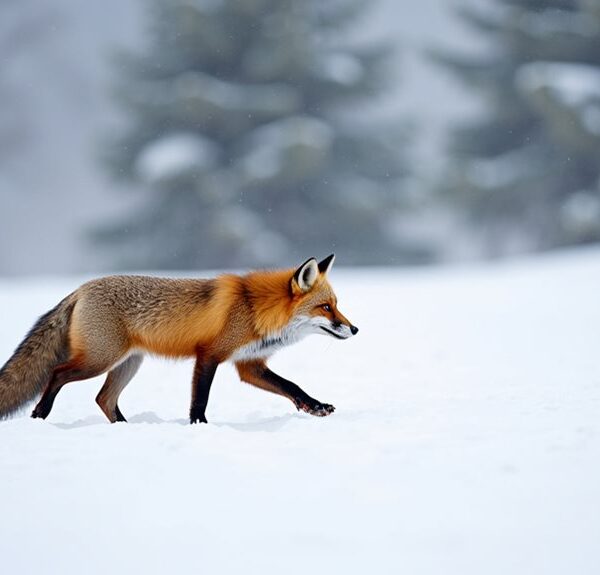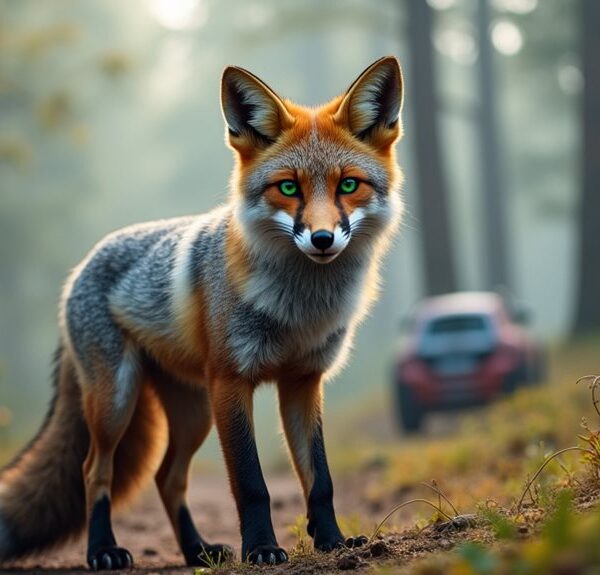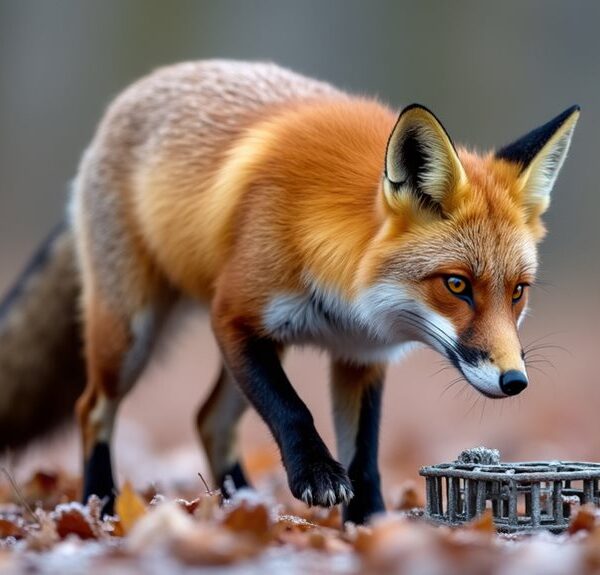
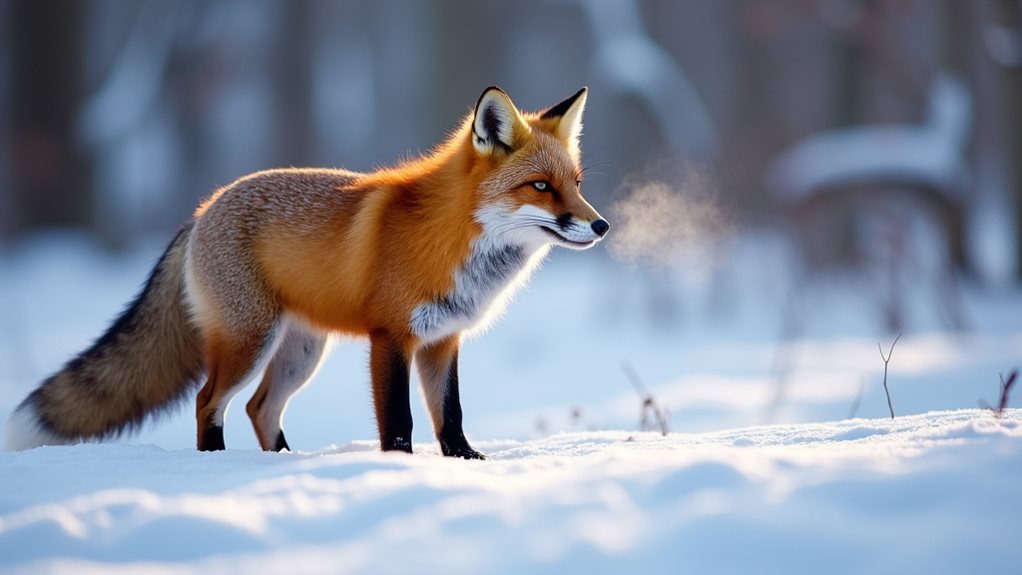
No, foxes don’t hibernate during winter. You’ll find them active year-round, even in harsh conditions, with their tracks visible in the snow. These clever animals adapt by growing thicker fur, adjusting their metabolism, and building fat reserves in autumn. They’ll change their hunting strategies to focus on smaller prey and often use well-insulated dens with multiple entrances for protection. Their remarkable survival tactics reveal nature’s ingenious design for cold-weather resilience.
The Myth of Fox Hibernation Debunked
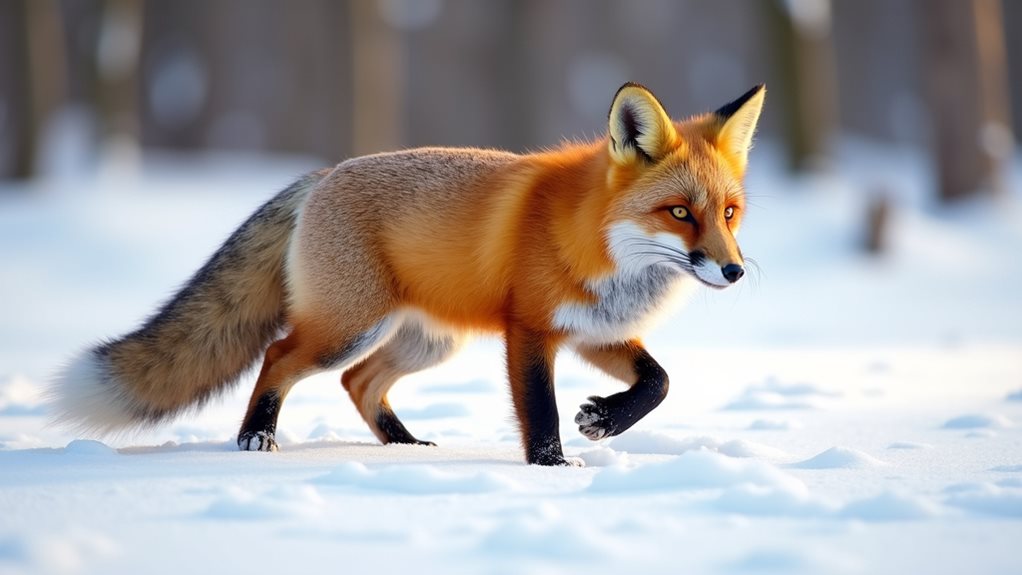
Despite what you might’ve heard around the campfire or read in outdated wildlife guides, foxes don’t hibernate during winter. This common misconception about fox behavior has persisted for generations, but it’s time to put this winter myth to rest.
You’ll actually find foxes quite active year-round, even during the coldest months. They don’t need to hibernate because they’ve developed impressive adaptations to survive harsh conditions. Their thick winter coats provide excellent insulation, and they’re skilled hunters who can find food even when snow blankets the ground. In fact, their hunting techniques allow them to locate prey hidden beneath the snow, showcasing their resilience.
If you’re lucky enough to spot fox tracks in fresh snow, you’re witnessing evidence of their continued activity. These resilient creatures simply adjust their routines rather than sleeping through winter like bears or some rodents do.


FUR COAT - Nothing feels better than wrapping up in a fur coat on a chilly winter day.This fur jacket will provide the wearer with certainty that it will always look great in winter.
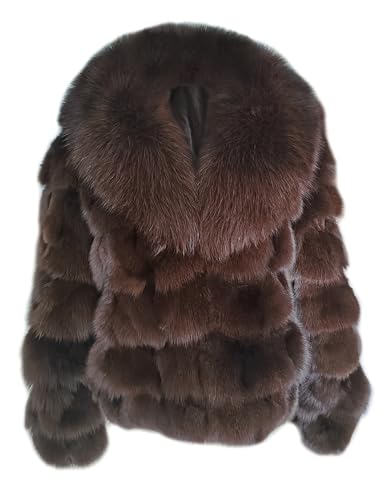
This fur jacket is made of real fox fur, lining is polyster. All material used on this fashionable coat are high quality.
How Foxes Physiologically Adapt to Winter Cold
You’ll notice that foxes don’t just shiver through winter—they undergo remarkable physical changes to beat the cold.
Their fur dramatically thickens, creating a dense undercoat that traps warm air close to their bodies, while their metabolism shifts to conserve energy during food-scarce months.
They’ll also build up impressive fat reserves in autumn, storing this energy beneath their skin as natural insulation that helps them survive even the harshest winter conditions. Additionally, their thick, double-layered fur provides essential warmth, enabling them to endure extreme temperatures in their habitat.
Fur Thickness Changes
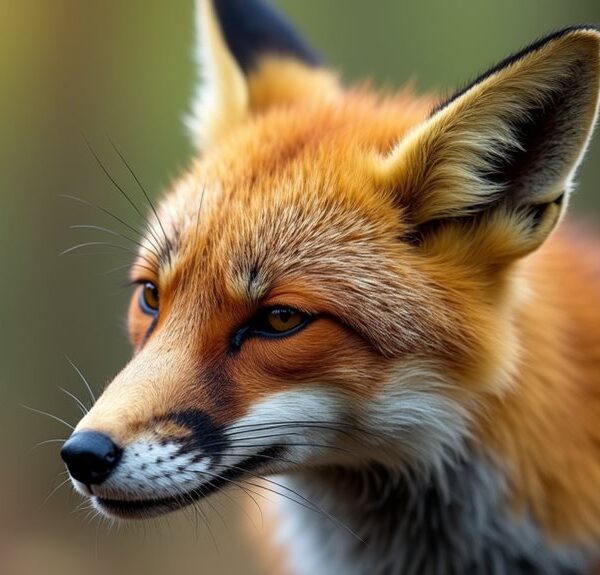
As winter arrives, red foxes undergo remarkable changes in their fur that help them survive the harshest conditions. You’ll notice that these clever animals don’t just tough it out with their summer coat—they grow a completely new winter wardrobe! Their fur growth accelerates in autumn, creating a thicker, denser coat that provides exceptional insulation against freezing temperatures. This winter coat isn’t just thicker; it’s also different in structure. The undercoat becomes particularly dense, trapping warm air close to the fox’s body. The fur insulation is so effective that foxes can comfortably rest on snow without melting it—their body heat doesn’t escape through their magnificent coat. This remarkable adaptation means they don’t need to hibernate or migrate, allowing them to remain active year-round in their territories. Additionally, their ability to endure extreme cold is enhanced by their thick fur coat, a key adaptation for survival in frigid environments.
Metabolic Rate Adjustments
Beyond their impressive fur adaptations, foxes make remarkable internal changes to survive winter’s brutal temperatures.
You’ll find their metabolic adaptations are truly fascinating—these clever creatures can adjust their internal thermostats to conserve energy during the coldest months. Unlike hibernating animals, foxes don’t sleep through winter but instead modify their metabolism to burn calories more efficiently.
Their seasonal behaviors shift too, as they’ll slow down certain bodily functions while maintaining alertness for hunting opportunities. It’s like they’ve installed an internal energy-saving mode!
In addition to metabolic adjustments, the Arctic fox’s key adaptations for survival include a thick, double-layered coat that insulates them from the cold.
You might notice foxes appear less active during bitter cold snaps—that’s their metabolism working smarter, not harder. These physiological changes allow them to survive on less food when prey is scarce, demonstrating nature’s incredible efficiency.
Isn’t it amazing how these adaptable animals fine-tune their bodies to match winter’s demands?
Fat Storage Mechanisms
While their metabolic adjustments help conserve energy, foxes also rely heavily on strategic fat storage to survive winter‘s harshest conditions.
You’ll notice these clever animals build up substantial fat reserves during autumn months when food is plentiful. Unlike hibernating animals, foxes maintain active fat metabolism throughout winter, gradually burning stored energy as needed.
Their bodies distribute fat deposits strategically—concentrating around crucial organs and under the skin for insulation.
You might be surprised to learn that a fox can store enough energy to survive several days without food when necessary. This efficient fat utilization, combined with their reduced activity levels, creates a perfect balance for winter survival. Additionally, their fat layer enhances insulation, enabling them to retain warmth in frigid temperatures.
Next time you spot fox tracks in the snow, you’re witnessing their remarkable energy storage system in action, keeping them warm and nourished through the coldest months.
Winter Diet Changes and Hunting Strategies
When winter arrives, foxes must adapt their dietary habits dramatically to survive the harsh conditions. Unlike bears, you won’t find foxes hibernating; they’re actively searching for food throughout the coldest months.
Their hunting techniques evolve as prey availability shifts, forcing them to become opportunistic feeders.
You’ll notice foxes focusing on smaller rodents that tunnel beneath the snow, using their remarkable hearing to detect movement below. They’ll pounce with precision, diving headfirst into snowdrifts to catch their meal!
They’ll also supplement their diet with berries, insects, and even carrion when fresh prey is scarce. If you live near foxes, don’t be surprised to find them venturing closer to human settlements, where trash cans and bird feeders offer easy pickings during these challenging months. Red foxes are omnivores, and their varied diet allows them to thrive even in winter.
Fox Dens as Critical Winter Shelters
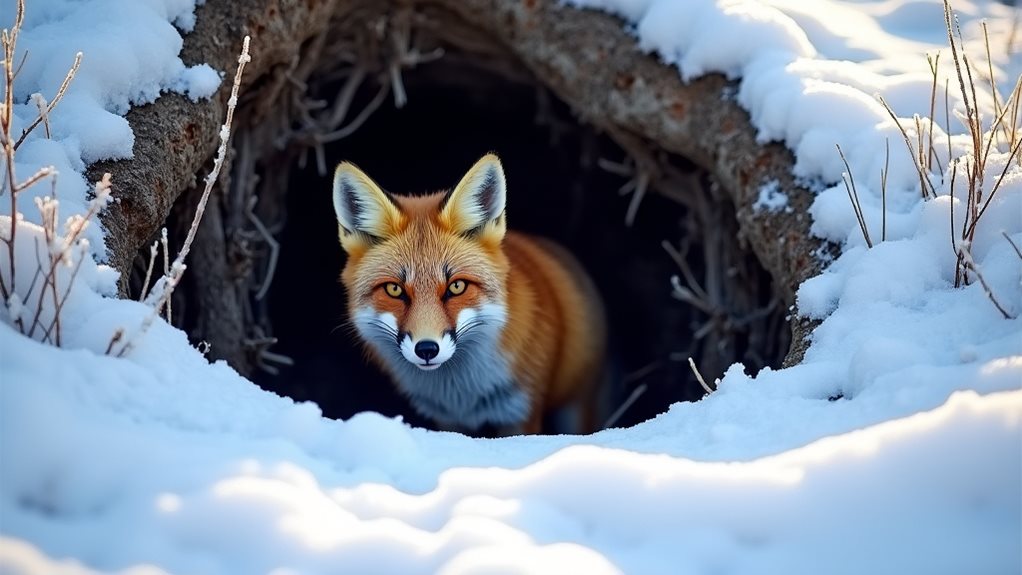
Fox dens serve as lifesaving refuges during the bitter winter months, offering these resourceful animals protection from deadly elements.
You’ll find foxes investing considerable time in den construction before winter’s full force arrives, often expanding existing burrows or creating new ones under tree roots or hillsides. These clever creatures maintain multiple dens within their territory, giving them options during harsh weather changes.
Den maintenance isn’t just a one-time task; foxes continuously improve their winter shelters by adding leaves, grass, and fur for insulation.
They’ll cleverly design their dens with multiple entrances, allowing quick escapes from predators while trapping precious body heat inside.
When you’re walking through winter woods, you might notice subtle signs of occupied fox dens—small paw prints in the snow and carefully cleared entranceways that reveal their dedicated shelter maintenance habits. Additionally, fox dens are often situated in southeast-facing slopes, which provide better exposure to sunlight during cold months.
Energy Conservation Tactics During Harsh Weather
When winter’s chill sets in, you’ll notice foxes build up their fat reserves during autumn to prepare for the harsh months ahead. You might spot them hunting more intensely before severe weather, creating energy stockpiles that’ll help them survive when prey becomes scarce. During blizzards or extreme cold snaps, these clever creatures will retreat to their temporary dens, conserving precious energy until conditions improve enough to venture out again. Additionally, their thick, double-layered coat provides essential insulation against the cold, allowing them to navigate their frosty habitats more effectively.
Fat Reserves Build-up
Throughout the frigid winter months, foxes face a critical challenge to maintain energy while preserving their warmth. Unlike bears, foxes don’t hibernate, but they’ve developed impressive fat reserve significance for winter survival.
You’ll notice these clever creatures begin building up fat layers in autumn when food is abundant. Their energy storage strategies are quite remarkable!
Foxes increase their hunting efforts during fall, consuming extra calories to develop a substantial layer of insulating fat beneath their thick winter coats. This stored energy becomes their lifeline during periods when prey is scarce or when severe weather conditions make hunting difficult. Notably, their exceptional hearing allows them to find food even from underground sources during the winter months.
While they remain active throughout winter, these fat reserves allow them to reduce their activity during the harshest days, conserving precious energy when they need it most.
Temporary Den Retreats
During severe winter storms and plummeting temperatures, red foxes retreat to their temporary dens, creating a cozy sanctuary from the harsh elements.
You’ll find these clever creatures using their seasonal shelter as a strategic energy-saving tactic rather than true hibernation.
Unlike bears, foxes don’t sleep through winter. They’ll hunker down in their temporary den retreats for a few days when blizzards rage, conserving precious calories until conditions improve.
These temporary hideaways might be under fallen trees, within rock crevices, or even beneath abandoned structures.
When you’re out hiking in winter, you might notice fewer fox tracks during extreme cold snaps.
Don’t worry—they’re just being smart, waiting out the worst weather in their snug dens before resuming their regular hunting routines when temperatures rise. Additionally, foxes capitalize on their dietary flexibility during the winter months by scavenging for food sources like discarded scraps from urban areas.
Regional Variations in Fox Winter Behavior
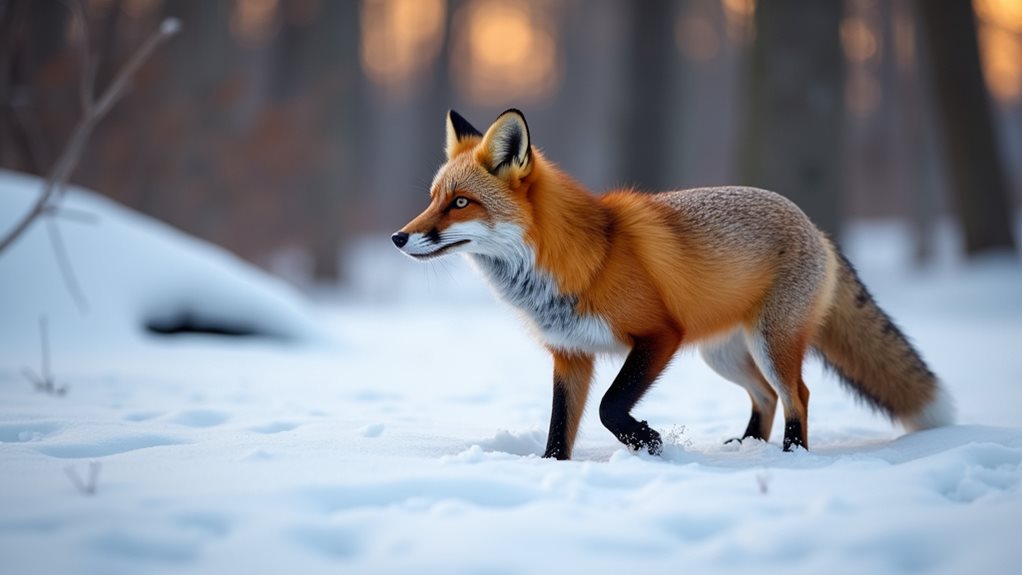
As you travel across different parts of the world, you’ll notice that foxes don’t follow a universal winter playbook. Their regional adaptations vary dramatically based on climate severity and food availability.
Arctic foxes grow thicker winter coats and store substantial fat reserves, while their desert-dwelling cousins barely alter their routines. In mountainous regions, you might spot foxes descending to lower elevations when snow blankets their usual hunting grounds.
These behavioral differences aren’t just fascinating—they’re crucial survival strategies. European red foxes often become more urban during harsh winters, venturing closer to human settlements where food scraps are plentiful.
Meanwhile, in milder climates like the Mediterranean, foxes maintain nearly identical year-round patterns.
What’s remarkable is how quickly these adaptations can shift when climate patterns change, showcasing the fox’s impressive resilience.
Climate Change Impacts on Fox Winter Survival
The regional variations we observe in fox behavior now face a new challenge as our planet warms.
Regional fox adaptations—evolutionary marvels refined over millennia—now confront unprecedented climate disruption.
You’ll notice foxes adapting their survival strategies as winter patterns become less predictable. Their climate adaptation abilities are being tested like never before, with some populations thriving while others struggle.
Here’s how climate change affects fox winter survival:
- Shorter snow seasons force foxes to maintain brown coats longer, reducing their camouflage effectiveness.
- Unpredictable freeze-thaw cycles make hunting more difficult as prey patterns change.
- Milder winters allow competing predators to remain active year-round.
- Earlier springs disrupt traditional denning and kit-rearing schedules.
While foxes are remarkably adaptable creatures, you might wonder if their flexibility has limits as our climate continues to shift dramatically.
Observing Fox Activity in Snow: What to Look For
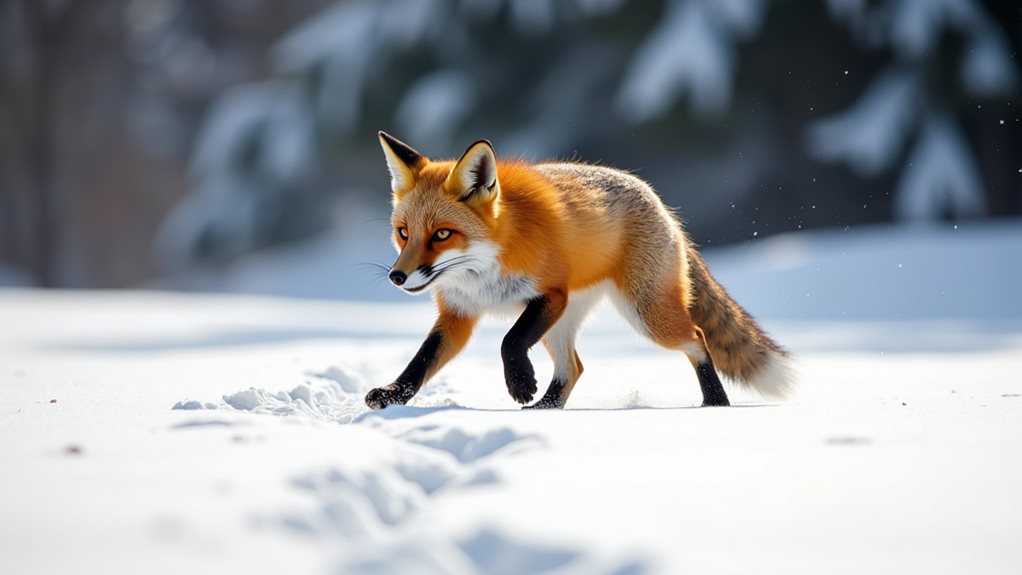
Winter sceneries transform into natural storyboards where you’ll find fox tales written in the snow if you know what to look for.
Fox tracks tell fascinating stories of their nocturnal adventures—look for a straight-line pattern with paw prints about 2 inches wide, often showing a clear diagonal walking pattern unlike dogs’ more scattered trails.
You might spot evidence of snow burrows, temporary resting spots where foxes curl up to conserve warmth during daylight hours.
These shallow depressions often have tufts of fur and disturbed snow around the edges.
Watch for feeding sites too, where scattered bird feathers or rodent remains mark a successful hunt.
Don’t forget to check tree bases and shrubs, where you’ll often find yellow markings—their distinctive scent posts that help foxes traverse their winter territory.
Final Thoughts
You’ve now discovered that foxes don’t hibernate, but instead adapt remarkably to winter challenges. Did you know that red foxes can reduce their metabolic rate by up to 40% during extreme cold snaps? Next time you spot paw prints in the snow, you’ll appreciate the resilience of these clever creatures. Whether they’re hunting under the snow or curled up in their dens, foxes have mastered the art of winter survival.