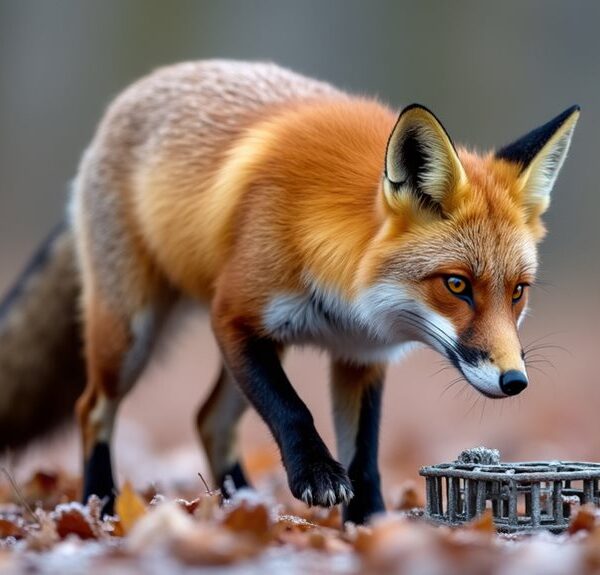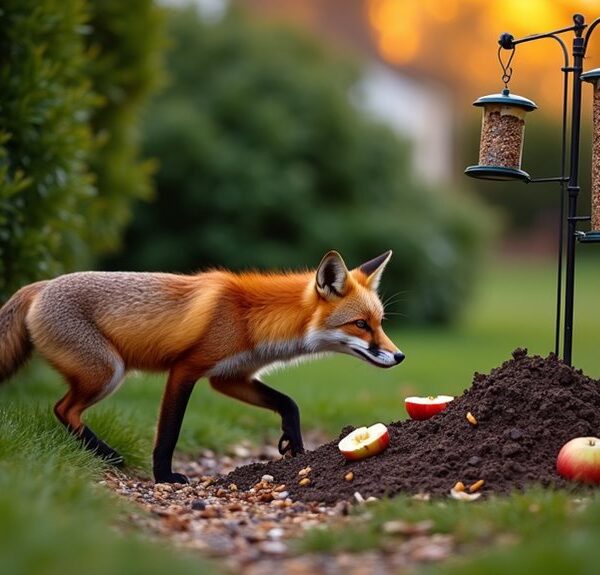

A red fox pauses mid-stride at the forest edge, one paw suspended, ears swiveling toward a sound only it can hear. The moment lasts perhaps two seconds before the animal melts back into the undergrowth. For wildlife photographers, these fleeting encounters define the challenge and reward of fox photography for beginners, a pursuit that demands equal parts patience, technical skill, and understanding of vulpine behaviour.
Foxes occupy a unique niche in wildlife photography. Unlike larger mammals that move predictably through open terrain, or birds that perch obligingly in daylight, foxes are crepuscular hunters that prefer cover, possess keen senses, and vanish at the slightest disturbance. Yet their adaptability means they inhabit environments from remote wilderness to suburban parks, making them surprisingly accessible subjects for photographers willing to learn their patterns.
This guide explores the practical foundations of fox photography for beginners, from understanding the behaviour that dictates when and where to find foxes, to the camera techniques that capture their swift movements, to the ethical considerations that protect both photographer and subject.
Key Takeaways
- Timing matters most: Foxes are most active during dawn and dusk (crepuscular periods), with increased daytime activity during mating season (January-February) and when raising kits (April-June)
- Behaviour knowledge beats equipment: Understanding den sites, hunting patterns, and vulpine behaviour allows you to anticipate photo opportunities rather than chase them
- Telephoto lenses are essential: A minimum 300mm focal length maintains respectful distance while filling the frame, with 400-600mm ideal for wild fox photography
- Urban foxes offer practice: City-dwelling foxes are more habituated to human presence, providing excellent learning opportunities before attempting rural photography
- Ethical distance protects wildlife: Never approach den sites during breeding season, avoid baiting or feeding, and recognize signs of stress or illness that indicate you should withdraw
Understanding Fox Behaviour for Better Photography
Successful fox photography for beginners begins not with camera settings but with observation. Foxes follow predictable patterns dictated by biology, season, and territory, patterns that, once recognized, transform random encounters into planned opportunities.
Seasonal Activity Patterns
The fox calendar governs both behaviour and photographic potential. During mating season (late December through February in most of the red fox range), adults become notably more visible. Males patrol territory boundaries, leaving scent marks and occasionally engaging in brief confrontations with rivals. Vixens (females) may be photographed in pairs with their mates. This period offers some of the year’s best opportunities for capturing social interactions and vocalisations.
Spring brings the denning season, when vixens give birth to kits (typically 4-6 per litter) in underground dens or adapted burrows. From late April through June, kits emerge to play near den entrances during daylight hours, a photographer’s dream scenario. However, this sensitive period demands extreme caution. Approaching too closely may cause the vixen to relocate her kits, a stressful process that reduces kit survival rates.
Summer sees families dispersing as kits mature. Young foxes practice hunting techniques, often with less caution than adults, creating opportunities for action photography. By autumn, juveniles establish their own territories, and all foxes intensify hunting to build fat reserves for winter.
Daily Movement and Territory
Foxes maintain home ranges of 2-5 square miles in rural areas, considerably smaller in urban environments where food is concentrated. Within these territories, they follow habitual routes between den sites, hunting grounds, and resting areas.
Crepuscular activity defines fox schedules. Peak movement occurs during the hour after sunset and before sunrise, when low light challenges photographers but prey species are most active. Foxes do hunt during full daylight, particularly in winter when short days and high energy demands force extended activity periods.
Track identification helps locate these routes. Fox prints show four toe pads and claws in a diamond pattern, typically 1.75-2.5 inches long, often in nearly straight lines that reflect their efficient trotting gait. Fresh tracks in mud or snow reveal recent passage and direction of travel.
Reading Fox Body Language
Understanding vulpine behaviour through visual cues prevents disturbance and predicts action:
- Relaxed fox: Smooth coat, ears forward or rotating naturally, tail held loosely, methodical movements
- Alert fox: Ears locked toward stimulus, body frozen mid-stride, tail horizontal, intense focus
- Stressed fox: Ears flattened, body lowered, tail tucked, rapid glances toward escape routes
- Hunting fox: High-stepping gait, frequent pauses with head cocked (listening for prey underground), sudden pounces
The moment a fox detects your presence, its behaviour shifts. A truly unaware fox moves with fluid confidence. Once aware, even a tolerant fox exhibits subtle tension, slightly faster movements, more frequent pauses to monitor your position. Recognizing this transition helps photographers maintain the optimal distance where the fox continues natural behaviour without fleeing.
For deeper insight into how foxes communicate and interact, our guide to fox hunting behavior explores the strategic elements of their predatory patterns.
Essential Camera Equipment for Fox Photography for Beginners


The technical demands of fox photography stem from three factors: distance (foxes rarely tolerate close approach), speed (their movements are quick and unpredictable), and lighting (peak activity occurs in dim conditions). Equipment choices must address all three.
Telephoto Lenses: Your Primary Investment
A telephoto lens of at least 300mm is non-negotiable for wild fox photography. This focal length provides adequate magnification while maintaining a respectful distance of 30-50 meters, close enough for frame-filling portraits, far enough to avoid altering behaviour.
Focal length considerations:
- 300mm: Minimum for fox photography; suitable for urban foxes or habituated individuals; requires closer approach
- 400-500mm: Ideal range balancing reach, portability, and cost; excellent for most wild fox scenarios
- 600mm+: Professional choice for maximum distance and detail; heavy and expensive but unmatched for shy subjects
Aperture matters significantly. Lenses with maximum apertures of f/4 or wider (f/2.8 is ideal) gather more light during dawn and dusk sessions, enabling faster shutter speeds and better subject isolation through shallow depth of field. Budget alternatives like 100-400mm zoom lenses with variable f/5.6-6.3 apertures work adequately in good light but struggle at dawn and dusk.
For comprehensive lens recommendations, see our review of the best telephoto lenses for wildlife photography.
Camera Body Requirements
Modern mirrorless and DSLR cameras excel at fox photography, but certain features prove particularly valuable:
Fast autofocus systems: Foxes move unpredictably. Cameras with advanced subject-tracking autofocus (animal eye-detection in recent models) dramatically improve keeper rates. Mid-range and professional bodies from Canon, Nikon, and Sony all offer capable systems.
High ISO performance: Shooting at ISO 1600-3200 is routine during crepuscular hours. Cameras with larger sensors (full-frame) handle high ISO with less noise than crop-sensor models, though modern APS-C cameras perform admirably up to ISO 1600.
Burst rate: A minimum of 5-6 frames per second captures action sequences. Higher rates (8-10 fps) increase odds of catching peak moments during pounces or interactions.
Weather sealing: Foxes don’t respect weather forecasts. Sealed bodies and lenses withstand morning dew, light rain, and dusty conditions encountered during field sessions.
Support and Stabilization
Telephoto lenses magnify not just the subject but also camera shake. A monopod offers the best compromise for fox photography, providing stabilization while maintaining mobility to track moving subjects. Full tripods work for static setups near known den sites but limit responsiveness.
When shooting handheld (sometimes necessary for quick repositioning), proper technique is critical: elbows tucked against the body, lens supported by the palm of the left hand, continuous shooting mode engaged to increase sharp image odds.
Additional Gear Worth Considering
- Teleconverters: 1.4x or 2x extenders multiply focal length (turning a 400mm into 560mm or 800mm) at the cost of one or two stops of light and some image quality
- Camouflage clothing: Earth-tone layers that break up human silhouette; avoid bright colors and noisy fabrics
- Binoculars: Essential for scouting locations and observing fox behaviour without camera noise; see our binoculars guide for recommendations
- Field guide: Helps identify fox species in regions with multiple types (red, gray, kit, swift)
- Headlamp with red filter: For pre-dawn setup without destroying night vision
Camera Settings and Techniques for Sharp Fox Photos
Technical execution separates compelling fox images from blurry near-misses. The combination of low light, fast movement, and distance demands specific approaches to exposure, focus, and composition.
Exposure Settings for Moving Subjects
Shutter speed is the most critical variable. Foxes in motion require minimum speeds of:
- 1/500s: Walking or trotting
- 1/1000s: Running or pouncing
- 1/1600s+: Rapid actions like shaking or jumping
These speeds freeze motion but demand either bright light or high ISO. During dawn and dusk, ISO 1600-3200 becomes necessary even with f/4 lenses. Modern cameras handle this well; some noise is preferable to motion blur.
Aperture balances depth of field and light gathering. Wide apertures (f/4-f/5.6) blur distracting backgrounds beautifully but create shallow focus planes, miss focus slightly and the fox’s eye is soft while its ear is sharp. Stopping down to f/8 increases depth of field, ensuring more of the fox is sharp, but requires even higher ISO or slower shutter speeds.
Shooting modes: Aperture Priority (Av/A) works well for static subjects, allowing you to set aperture while the camera adjusts shutter speed. Manual mode provides complete control, essential when light changes rapidly during golden hour. Shutter Priority (Tv/S) ensures adequate motion-freezing speed but may produce overexposed or underexposed images in variable light.
Autofocus Strategies
Modern autofocus systems offer multiple modes; choosing correctly improves success rates:
- Single-point AF: Precise control over focus location; ideal for stationary foxes where you can place the point on the eye
- Zone or dynamic AF: Camera focuses on subjects within a selected area; useful when foxes move unpredictably within frame
- Continuous AF (AI Servo/AF-C): Tracks moving subjects; essential for action photography
- Animal eye-detection: Available on recent mirrorless cameras; automatically finds and tracks animal eyes with remarkable accuracy
Always focus on the nearest eye. A sharp eye anchors the image even if other elements are soft. If the eye is soft, the image fails regardless of other technical merits.
Composition and Framing
Technical sharpness means little without thoughtful composition. Fox photography benefits from several approaches:
Environmental portraits place the fox within its habitat, showing context, a red fox in autumn leaves, a kit near a den entrance, an urban fox navigating a garden. Use wider focal lengths (300-400mm) and smaller apertures (f/8-f/11) to keep both subject and environment reasonably sharp.
Tight portraits isolate the fox against blurred backgrounds, emphasizing expression and detail. Longer focal lengths (500-600mm) and wide apertures (f/4-f/5.6) create this effect. Position yourself so the background is distant and uniform in tone.
Action shots capture hunting, playing, or running. Anticipate movement direction and leave space in the frame for the fox to “move into.” Use continuous shooting mode and track the subject smoothly.
Rule of thirds remains valuable: position the fox’s eye at an intersection of the imaginary grid dividing the frame into thirds. This creates more dynamic composition than centering the subject.
Dealing with Challenging Light
Dawn and dusk offer beautiful warm light but limited intensity. Strategies for success:
- Expose for highlights: Fox fur, especially red fox coats, can blow out (lose detail) in bright patches. Slight underexposure preserves highlight detail; shadows can be lifted in post-processing
- Shoot RAW format: Captures maximum data, allowing significant exposure and white balance adjustments later
- Use exposure compensation: In Aperture Priority mode, dial in -1/3 to -2/3 stop compensation to prevent overexposure of light-colored fur
- Embrace silhouettes: When the fox is backlit during sunrise or sunset, expose for the bright sky to create dramatic silhouettes
Finding Fox Photography Locations
Location selection determines whether you spend hours seeing nothing or return with memory cards full of images. Foxes inhabit diverse environments, each offering distinct opportunities and challenges.
Habitat Types and What They Offer
Agricultural edges: Fields bordered by hedgerows, woodlots, or stone walls provide ideal fox habitat. These edges offer cover for denning and hunting access to open areas rich in rodents. Scout field margins during late afternoon, positioning yourself downwind of likely travel routes.
Woodland clearings: Foxes traverse forests along established trails, often pausing in clearings. These locations work best in early morning when low-angle light penetrates the canopy. Fallen logs and elevated positions near clearings provide natural blinds.
Coastal areas: In regions where red fox range extends to coastlines, beaches and dunes attract foxes hunting for carrion, crabs, and nesting birds. The open terrain allows longer sight lines but offers little concealment, arrive before dawn and remain motionless.
Urban and suburban parks: Urban foxes offer the most accessible photography opportunities for beginners. Habituated to human presence, they tolerate closer approach and exhibit daytime activity. Parks with mature vegetation, quiet corners, and nearby residential areas (where foxes den under sheds) are most productive.
Scouting and Preparation
Successful sessions begin with reconnaissance:
- Look for signs: Track identification in mud or snow, scat (often containing fur and bone fragments, deposited prominently on rocks or stumps), and prey remains indicate fox presence
- Identify den sites: Holes with excavated dirt, worn paths leading to entrances, and scattered food remains mark active dens, but never approach closely during breeding season
- Note timing: Return to promising locations at different times to determine activity patterns; foxes often use the same routes habitually
- Check wind direction: Foxes possess excellent scent detection; always position yourself downwind of expected approach routes
- Plan backgrounds: Scout during midday to identify positions where backgrounds are clean (distant vegetation, open sky) rather than cluttered
Ethical Considerations and Safety
Fox photography carries responsibilities to both subject and photographer:
Maintain distance: Never approach closer than 30 meters to wild foxes; use your lens reach rather than your feet. Closer approach causes stress, may provoke defensive behaviour, and can lead to habituation that endangers the fox.
Avoid den disturbance: During breeding season (spring), stay at least 100 meters from known den sites. Vixens disturbed repeatedly may abandon dens, leaving kits vulnerable. Photograph kits only from distant positions using long lenses.
Never bait or feed: Feeding foxes for photography creates dangerous habituation, encourages dependency, and may transmit disease. It’s also illegal in many jurisdictions. Natural behaviour in natural contexts produces more compelling images.
Recognize disease: Foxes with signs of illness, mange (hair loss, crusty skin), disorientation, or unusual tameness, should be photographed only from maximum distance and reported to wildlife authorities. Mange is transmissible to pets.
Assess risk appropriately: While wild red foxes are rarely dangerous to humans, any wild animal can bite if cornered or protecting young. Maintain escape routes and never attempt to touch or corner a fox.
Advanced Tips for Fox Photography for Beginners
Once fundamental techniques become comfortable, these advanced approaches elevate your fox photography:
Capturing Behaviour and Storytelling
The most memorable fox images tell stories beyond simple portraits. Anticipating and capturing specific behaviours requires patience and knowledge:
Mousing pounce: The iconic fox hunting technique, high leap followed by nose-first dive into snow or grass. This requires pre-focusing on the hunting area, fast shutter speeds (1/1600s+), and burst shooting the moment the fox begins its leap.
Social interactions: During mating season and kit-rearing, foxes engage in play, grooming, and teaching behaviours. These moments are fleeting; continuous shooting mode and anticipation of movement direction are essential.
Vocalisations: Fox calls, the vixen’s scream, the dog fox’s bark, kit whimpers, create dramatic images when captured with open mouths and alert postures. Audio cues help predict these moments.
Environmental storytelling: Images showing foxes navigating human-modified landscapes (crossing roads, investigating structures, hunting in agricultural fields) document their remarkable adaptability.
Working with Light Creatively
Beyond simply achieving correct exposure, light quality shapes mood:
Golden hour glow: The hour after sunrise and before sunset bathes foxes in warm, directional light that emphasizes fur texture and creates catchlights in eyes. Position yourself so light comes from the side or slightly behind you.
Backlighting: When the fox is between you and the sun, rim lighting outlines the animal in a golden halo, particularly striking with fluffy winter coats or backlit ears.
Overcast conditions: Cloudy skies act as giant diffusers, eliminating harsh shadows and allowing photography throughout the day. Colors appear more saturated, and foxes often increase activity during overcast weather.
Blue hour: The period before sunrise and after sunset offers ethereal blue light. High ISO (3200-6400) and wide apertures are necessary, but the resulting images have a distinctive, moody quality.
Seasonal Opportunities
Each season offers unique photographic potential:
- Winter: Snow provides clean backgrounds and reveals tracks; foxes grow thick winter coats; hunting behaviour intensifies
- Spring: Kits emerge from dens; family interactions; fresh green backgrounds
- Summer: Lean, sleek coats; juveniles practicing hunting; long daylight hours
- Autumn: Spectacular foliage backgrounds; foxes cache food; preparation for winter
Post-Processing Fox Images
Raw capture is only the beginning. Thoughtful post-processing enhances images while maintaining natural appearance:
Basic Adjustments
- Exposure and contrast: Fine-tune overall brightness; increase contrast slightly to add punch
- Highlights and shadows: Recover blown highlights in light fur; lift shadows to reveal detail in dark areas
- White balance: Correct color casts; dawn and dusk often require warming
- Clarity and texture: Moderate increases enhance fur detail without creating unnatural sharpening halos
Selective Adjustments
- Eye enhancement: Brighten eyes slightly and increase sharpness to draw viewer attention
- Background darkening: Subtle vignetting or selective darkening of distracting background elements emphasizes the subject
- Color grading: Adjust specific color ranges (oranges for red fox fur, greens for foliage) to create cohesive color palettes
Sharpening and Noise Reduction
Apply sharpening selectively to the fox while leaving backgrounds softer. Use noise reduction on high-ISO images, but avoid over-smoothing that eliminates fur texture. Most editing software offers masking tools to apply adjustments precisely where needed.
Frequently Asked Questions
What camera settings should I use for photographing foxes at dawn?
Start with Manual mode: shutter speed 1/500s minimum (faster for action), aperture f/5.6, ISO 1600-3200 depending on available light. Use continuous autofocus (AI Servo/AF-C) and high-speed continuous shooting. Adjust ISO as light increases, prioritizing shutter speed fast enough to freeze motion. Shoot RAW format for maximum post-processing flexibility.
How close can I get to a wild fox without disturbing it?
Maintain a minimum distance of 30 meters (approximately 100 feet) from wild foxes. Use your telephoto lens to fill the frame rather than approaching closer. If the fox changes behaviour, stops feeding, stares directly at you, crouches, or moves away, you’re too close and should retreat. During breeding season, stay at least 100 meters from den sites.
What’s the best time of year for photographing fox kits?
Late April through June offers the best opportunities for photographing fox kits in most regions. Kits emerge from dens around 4-5 weeks old and play near entrances during daylight hours. Early in this period (late April-early May), kits are small and fluffy; by June, they’re larger and more active. Always photograph from maximum distance using long telephoto lenses to avoid disturbing the family.
Do I need a full-frame camera for fox photography?
Full-frame cameras offer advantages, better high-ISO performance and shallower depth of field, but aren’t essential for beginners. Crop-sensor cameras (APS-C) actually provide extra reach (a 400mm lens becomes equivalent to 600mm on most crop sensors), which benefits wildlife photography. Modern crop-sensor cameras handle ISO 1600-3200 adequately. Invest in quality telephoto lenses before upgrading camera bodies.
How do I find foxes in my local area?
Start by identifying suitable habitat: areas with mixed cover (woodland edges, hedgerows, parks with mature vegetation) near open hunting grounds (fields, meadows). Look for signs including tracks (diamond-shaped, 1.75-2.5 inches), scat on prominent features, and prey remains. Scout during dawn and dusk when foxes are most active. Local wildlife groups and wildlife photography communities often share information about fox locations.
What should I do if I encounter a fox that seems sick or injured?
Maintain maximum distance and do not approach. Photograph the animal from afar if possible (images help authorities assess condition), note the exact location, and contact local wildlife rehabilitation or animal control authorities. Never attempt to touch, feed, or capture a sick fox. Signs of illness include severe hair loss (mange), disorientation, unusual tameness, or visible injuries. Sick foxes may behave unpredictably and can transmit diseases.
Conclusion
Fox photography for beginners rewards those who invest time understanding their subjects as much as mastering their cameras. The technical skills, telephoto lens technique, exposure management, autofocus strategies, provide the foundation. But the truly successful fox photographer learns to think like a fox, anticipating movement patterns, recognizing seasonal behaviours, and reading the subtle signals that predict action.
Start locally, whether that means urban foxes in nearby parks or rural populations in agricultural areas. Spend sessions simply observing without photographing, building knowledge of individual territories and habits. Invest in the longest telephoto lens your budget allows, prioritizing focal length over other features. Practice ethical field craft that protects both foxes and their habitats.
Most importantly, embrace the process. The missed shots, the early mornings when foxes don’t appear, the technical failures, all contribute to the learning curve. The moment you finally capture a red fox mid-pounce, backlit in golden light, or photograph a vixen teaching her kits to hunt, the investment of time and patience proves worthwhile.
The foxes are out there, following ancient patterns through modern landscapes. With preparation, respect, and persistence, you’ll be ready when your paths cross.
Next steps: Scout three potential fox locations this week, noting habitat features and signs of activity. Review your current equipment and identify one upgrade that would most improve your fox photography. Join local wildlife photography groups to learn from experienced photographers and discover new locations. Most importantly, get into the field, every session builds skills and knowledge that no article can fully convey.