

Foxes visit your garden for three main reasons: food, shelter, and safety. They’ll scavenge from unsecured trash bins, fallen bird seed, and compost piles, especially at dawn and dusk. Dense vegetation, rock piles, and quiet corners provide ideal hiding spots and potential den sites. While winter and fall bring increased foraging visits, spring introduces breeding behaviors and summer brings curious cubs. The more natural and undisturbed areas you maintain, the more likely these clever visitors will make your garden their regular stop.
Food Sources That Attract Urban Foxes

While many people believe that leaving food out is the best way to attract foxes, this common practice can actually do more harm than good. Foxes that become dependent on human handouts may lose their natural foraging skills and develop unhealthy behaviors.
Instead, focus on creating a garden that naturally appeals to these clever creatures. Urban food waste, when properly composted, can enrich soil for garden plants that indirectly attract foxes. Creating green spaces that support local biodiversity will also encourage urban fox populations. Native berries, fruits, and plants that support small rodents and insects offer foxes a natural buffet. You’ll be amazed how quickly they’ll discover your garden’s ecosystem!
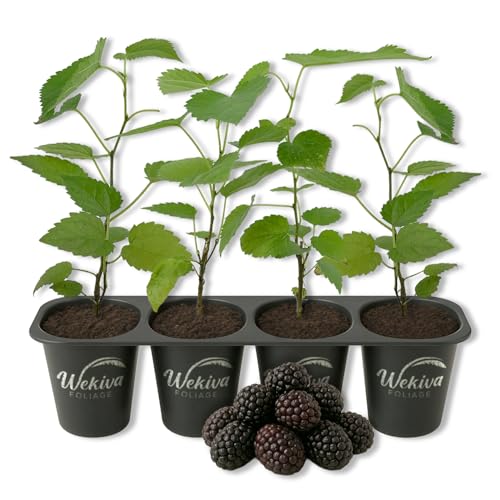
Growth and Appearance: The Everbearing Mulberry Tree develops a full, spreading canopy with rich green leaves that provide shade and structure to any outdoor space. Mature...
Garden Features Providing Shelter and Security
Because foxes are naturally cautious creatures, creating safe shelter options in your garden can dramatically increase your chances of attracting them.
Foxes seek security first—provide sheltered spaces and they’ll reward you with their presence.
They’re looking for spaces where they can hide, rest, and feel protected from predators and human activity. Dense sheltering plants like brambles, shrubs, and tall grasses provide excellent cover that makes foxes feel secure when visiting your garden.
- Create a quiet corner with overgrown vegetation and fallen logs where foxes can retreat undisturbed.
- Install protective structures like rock piles or brush heaps that mimic natural fox dens.
- Leave areas of your garden slightly wild and untrimmed, especially near fence lines or boundaries.
You’ll find that these sanctuary spaces not only draw in foxes but also create wonderful wildlife habitats for many other garden visitors. Additionally, incorporating features such as natural den structures can further entice urban foxes, promoting their adaptability in the changing environment.
Seasonal Changes in Fox Behavior and Garden Presence

Throughout the year, you’ll notice distinct patterns in fox activity as they adapt their behavior to changing seasons.
Winter brings increased garden visits as food becomes scarce elsewhere, while spring marks their breeding season when foxes become more territorial and vocal.
During summer, you’ll spot young cubs exploring your garden for the first time, learning vital survival skills from their parents.
Their habitat preferences shift with the weather—seeking shady spots in summer heat and sunny areas during colder months.
Fall triggers increased foraging activity as foxes prepare for winter, often caching food in various garden locations.
You’ll witness more daytime appearances as they work to build fat reserves before the harsh months ahead. Arctic foxes have a keen sense of smell and hearing that helps them locate food even in challenging conditions.
Understanding these seasonal rhythms helps you anticipate when foxes might frequent your garden and appreciate their adaptive behaviors.
Unintentional Fox Attractants in Your Outdoor Space
Many homeowners unknowingly create a fox-friendly environment through everyday garden practices and household habits.
Your garden design might actually be sending an open invitation to these curious creatures. During their nocturnal activities, foxes search for easy meals and cozy hiding spots—which your yard might provide perfectly.
- Unsecured trash bins with food scraps can become a nightly buffet for hungry foxes.
- Bird feeders that spill seed attract small rodents, which then attract foxes as natural prey.
- Compost piles containing fruit, vegetables, or other food waste serve as dining hotspots.
You’ll often notice increased fox activity at dawn or dusk when they’re most active. Additionally, as urban foxes derive about 45% of their diet from human food, they are increasingly drawn to gardens that offer easy access to food scraps and refuse.
Balancing Wildlife Conservation With Garden Protection

While foxes can be charming visitors to your garden, finding the right balance between welcoming wildlife and protecting your outdoor space requires thoughtful planning.
You can adopt wildlife ethics by using humane deterrents rather than harmful chemicals or traps. Consider installing motion-activated sprinklers or lights that startle foxes without causing harm.
Habitat preservation doesn’t mean sacrificing your garden’s beauty.
Creating harmony between wildlife and gardening enhances rather than diminishes the aesthetic appeal of your outdoor sanctuary.
Create designated wild areas at the edges of your property where foxes can find natural shelter, keeping them away from your prized plants. Red foxes’ adaptability allows them to thrive in proximity to human-influenced environments, reinforcing the need to redirect their movement.
You’ll be supporting local ecosystems while directing wildlife traffic away from vulnerable garden sections.
Final Thoughts
Your garden’s allure to foxes boils down to what’s on their dinner menu and where they can catch some Z’s. By understanding their needs, you’re holding the key to either welcoming these bushy-tailed visitors or gently discouraging them. Remember, your outdoor choices directly impact local wildlife. With thoughtful planning, you can create a space that respects both your gardening goals and the urban ecosystem these clever creatures inhabit.