A red fox performing a play bow, front legs stretched forward, rump in the air, tail wagging, is one of nature’s clearest signals of contentment. Yet most people who encounter foxes, whether observing wild populations or caring for domesticated individuals, miss the subtle cues that distinguish a genuinely happy fox from one merely tolerating its circumstances. Understanding the signs your fox is happy requires moving beyond anthropomorphic assumptions and learning to read the nuanced language of vulpine behaviour.
Whether you’re a wildlife photographer documenting urban foxes in your neighbourhood, a rural resident with foxes denning near your property, or someone exploring the complexities of fox temperament and behavior, recognizing happiness in these intelligent canids opens a window into their rich emotional lives. The signs your fox is happy manifest through body language, vocalisations, play behaviour, and social interactions, each offering insight into the animal’s psychological state.
Key Takeaways
- Play bows, tail wagging, and relaxed ear positions are primary physical indicators that signal contentment in foxes
- Soft vocalisations including quiet chitters and gentle whines indicate comfort, contrasting sharply with stress-related screams
- Grooming behaviour and healthy coat condition reflect both physical health and psychological well-being
- Social engagement with family members or trusted humans demonstrates security and happiness in domesticated or wild foxes
- Environmental exploration and curiosity signal confidence and contentment rather than anxiety-driven hypervigilance
Understanding Fox Body Language: The Foundation of Happiness Recognition
The most reliable signs your fox is happy appear in body posture and movement patterns. Unlike dogs, which have been selectively bred for thousands of years to communicate clearly with humans, foxes retain more subtle wild canid signals that require careful observation to interpret accurately.
Tail Position and Movement
A fox’s tail, properly called a brush, serves as an emotional barometer. A happy fox typically carries its tail in a relaxed, horizontal position or slightly raised with gentle, flowing movements. During particularly joyful moments, you’ll observe rapid tail wagging similar to domestic dogs, though the motion tends to be more fluid and less vigorous.
Conversely, a tucked tail signals fear or submission, while a rigidly horizontal or raised tail often indicates alertness or potential aggression. The distinction matters: a gently swaying tail during approach behaviour suggests friendly curiosity, while a stiff tail accompanies wariness.
Ear Position and Facial Expression
Foxes possess remarkably mobile ears that rotate independently to track sounds, a trait essential for their hunting behavior. When content, a fox’s ears rest in a neutral forward position or rotate gently to follow interesting sounds without tension.
Happy ear positions include:
- Forward-facing with relaxed muscles
- Slight outward rotation during play
- Gentle back-and-forth movement while exploring
Stressed or unhappy foxes flatten their ears against their heads or hold them rigidly forward in high alert. The facial expression accompanying ear position provides additional context: soft eyes with partially closed lids indicate contentment, while wide eyes with visible whites suggest stress or fear.
The Play Bow and Other Joyful Postures
The play bow represents perhaps the most unambiguous sign your fox is happy. This behaviour, identical to the play invitation used by domestic dogs, involves stretching the front legs forward while keeping the rear elevated, often accompanied by tail wagging and excited vocalisations.
Beyond play bows, content foxes display:
✨ Loose, bouncy gaits when moving through familiar territory
✨ Rolling behaviour on grass or soft surfaces
✨ Stretching after rest periods, indicating comfort and security
✨ Sphinx position while resting, with front paws extended and body relaxed
These postures contrast sharply with the tense, crouched stance of anxious foxes or the rigid alertness of animals on high guard.
Vocal Indicators: What Happy Fox Sounds Reveal
Fox vocalisations span a remarkable range, from the infamous nighttime screams during mating season to subtle contact calls between family members. Recognizing which sounds indicate happiness requires understanding the context and quality of each vocalisation.
Content Vocalisations vs. Stress Calls
Happy foxes produce soft, varied sounds quite different from the screams that characterize territorial disputes or mating rituals. These contentment calls include:
Quiet chitters and chirps, Short, bird-like sounds made during social grooming or play, particularly common between vixens and their kits
Gentle whines, Soft, questioning sounds that indicate interest or mild excitement without distress
Purr-like rumbles, Low-frequency sounds produced during physical contact with trusted individuals, similar to but distinct from feline purring
Playful yips, Brief, high-pitched barks during chase games or toy interaction
In contrast, unhappy or stressed foxes produce harsh barks, prolonged screams, or repetitive alarm calls. The tonal quality differs markedly: contentment sounds maintain a melodic, varied quality, while stress vocalisations sound harsh, repetitive, or desperate.
Silence as Communication
Interestingly, silence itself can indicate happiness in foxes. These naturally cautious animals remain quiet when feeling secure, reserving vocalisations for specific social or territorial purposes. A fox moving silently through familiar territory, pausing to investigate interesting scents without alarm calls, demonstrates confidence and contentment.
This contrasts with the nervous silence of a frightened fox, which freezes in place with tense body language, or the deliberate quiet of a hunting fox, which moves with focused intensity rather than relaxed curiosity.
Behavioral Signs Your Fox Is Happy: Play, Exploration, and Social Bonding
Beyond immediate physical signals, the signs your fox is happy emerge through sustained behavioural patterns that reflect psychological well-being and environmental satisfaction.
Play Behaviour Across Life Stages
Play represents one of the clearest indicators of happiness in foxes, though its expression changes with age. Young kits engage in vigorous play that develops hunting skills and social bonds, pouncing on siblings, play-fighting, and chasing games around den sites.
Adult foxes continue playing throughout their lives when conditions permit, though the behaviour becomes more refined and purposeful. A happy adult fox might:
- Toss and catch objects repeatedly
- Engage in solo play with found items (sticks, leaves, prey remains)
- Initiate play sessions with mates or offspring
- Perform exaggerated hunting movements without actual prey
The presence of play behaviour in adult foxes signals not just momentary happiness but sustained well-being, as stressed or resource-deprived animals abandon play in favour of survival-focused activities.
Exploratory Behaviour and Curiosity
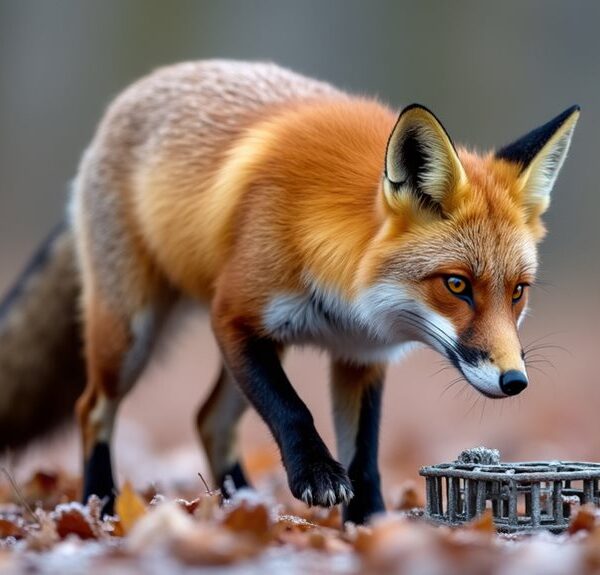
Content foxes display healthy curiosity about their environment, investigating new scents, objects, and changes to familiar territory with interest rather than fear. This exploratory behaviour differs from the hypervigilance of anxious animals, a happy fox pauses to thoroughly investigate interesting stimuli, while a stressed fox remains in constant motion or freezes defensively.
Positive exploratory signs include:
🦊 Approaching novel objects with relaxed body language
🦊 Spending time investigating without startling easily
🦊 Returning repeatedly to interesting discoveries
🦊 Incorporating new items into play behaviour
For those observing wild foxes in their natural habitat, this curiosity manifests as thorough territory patrols, cache-checking behaviour, and investigation of human-modified landscapes without excessive wariness.
Social Bonding and Grooming
Foxes are more social than popular perception suggests, particularly within family groups. The signs your fox is happy often appear most clearly in social contexts, where bonding behaviours indicate security and affection.
Social grooming, allogrooming, serves both practical and emotional functions. Foxes groom each other’s faces, ears, and necks, areas difficult to reach individually. This behaviour strengthens pair bonds between mates and reinforces family connections between parents and offspring.
A fox initiating or accepting grooming demonstrates trust and contentment. Similarly, resting in physical contact with family members, touching sides, overlapping tails, or sleeping in piles, indicates deep security. Solitary species don’t engage in such contact; its presence reveals emotional bonds and happiness.
Healthy Appetite and Food Caching
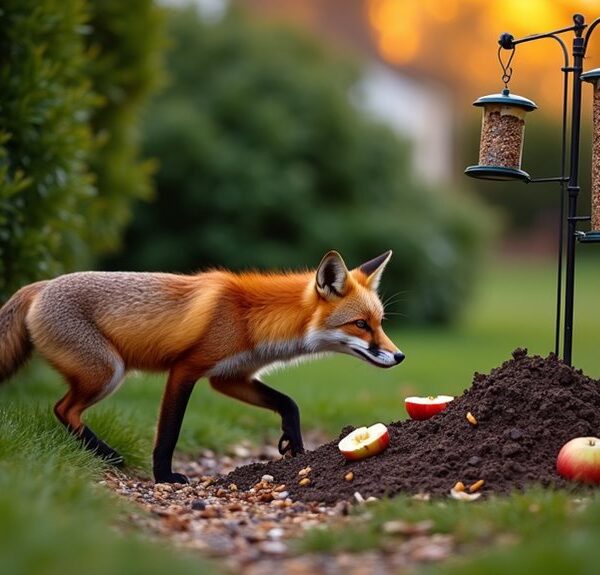
While not exclusively an indicator of happiness, a healthy relationship with food suggests psychological well-being. Content foxes display normal hunting interest, cache surplus food for later consumption, and eat with relaxed body language rather than defensive guarding.
Particularly telling is the behaviour of caching food in familiar territory. A fox that takes time to carefully bury food items demonstrates confidence in its environment and expectation of future security, a stressed animal consumes everything immediately or abandons food when startled.
Environmental Factors That Support Fox Happiness
Understanding what makes foxes happy requires examining the environmental conditions that support their psychological needs. Whether observing wild populations or caring for domesticated individuals, certain factors consistently correlate with contentment.
Territory Security and Den Quality
Foxes establish territories that provide food resources, safe den sites, and protection from competitors. A happy fox maintains a stable territory without constant boundary disputes, allowing energy investment in play, exploration, and social bonding rather than defensive behaviour.
Den sites particularly influence happiness. Foxes prefer multiple den options within their territory, primary dens for raising kits and secondary refuges for emergency shelter. Quality dens feature:
- Multiple entrances for escape routes
- Elevated or well-drained locations
- Proximity to hunting grounds
- Distance from major disturbances
For urban foxes, adapted den sites under sheds, in overgrown gardens, or within parks serve similar functions. The key indicator of happiness is den fidelity, returning consistently to preferred sites rather than constantly relocating due to disturbance.
Adequate Food Resources
Food security fundamentally affects fox happiness. The red fox range spans diverse habitats precisely because these adaptable omnivores exploit varied food sources, small mammals, birds, insects, fruits, and human food waste in urban environments.
A well-fed fox displays:
- Healthy body condition with visible muscle tone
- Glossy, full coat without bare patches
- Energetic movement and play behaviour
- Interest in caching surplus food
Conversely, food-stressed foxes appear thin, move lethargically, and focus exclusively on hunting without time for play or social interaction. Seasonal variations affect food availability, but chronically stressed foxes show sustained behavioural changes beyond normal seasonal adjustments.
Social Structure and Family Dynamics
Fox social structures vary by species and environmental conditions, but most red foxes live in small family groups consisting of a mated pair and their offspring. Understanding fox family dynamics reveals how social stability contributes to individual happiness.
In stable family groups, you’ll observe:
- Cooperative kit-rearing with both parents participating
- Older siblings sometimes remaining to help raise new litters
- Coordinated hunting and territory defense
- Frequent social grooming and play
Disrupted social structures, through human persecution, habitat fragmentation, or resource scarcity, produce stressed individuals that display fewer happiness indicators and more defensive or aggressive behaviours.
Recognizing Happiness in Domesticated vs. Wild Foxes
The signs your fox is happy manifest somewhat differently depending on whether you’re observing wild populations or interacting with domesticated individuals. While core indicators remain consistent, context shapes their expression.
Wild Fox Happiness Indicators
Wild foxes demonstrate happiness through successful adaptation to their environment. Key signs include:
Confident territory use, Moving openly through familiar areas during appropriate activity periods (primarily nocturnal habits with crepuscular peaks)
Successful reproduction, Raising kits to independence indicates environmental quality and parental well-being
Playful behaviour, Adults engaging in play despite the energy costs suggests surplus resources and security
Healthy physical condition, Glossy coats, appropriate weight, and energetic movement
Wildlife observers should maintain respectful distance when identifying these signs. A fox that continues normal behaviour in your presence shows confidence, but approaching too closely causes stress regardless of initial appearance. For guidance on ethical wildlife observation, consider how recognizing signs of illness helps distinguish health from distress.
Domesticated Fox Happiness
The small population of domesticated foxes, primarily descended from the Russian domestication experiment, display happiness through behaviours adapted to human interaction. These individuals, discussed in detail in our guide to domesticated fox temperament, show:
Seeking human interaction, Approaching familiar people with relaxed body language
Play initiation, Bringing toys or initiating chase games with humans
Relaxed behaviour indoors, Comfortable resting in human spaces without hypervigilance
Positive response to handling, Accepting grooming, veterinary care, and physical contact without stress
It’s crucial to note that domesticated foxes differ fundamentally from wild foxes kept in captivity. True domestication involves genetic changes across generations, not simply taming individual animals. Wild foxes, even hand-raised, rarely display the same comfort with human interaction and require specialized care that respects their wild nature.
Common Misconceptions About Fox Happiness
Several persistent myths complicate accurate recognition of the signs your fox is happy. Addressing these misconceptions helps observers interpret behaviour more accurately.
“A Fox That Approaches Humans Is Happy to See Them”
While domesticated foxes may genuinely seek human interaction, wild foxes that approach people often do so because they’ve been fed and associate humans with food, a dangerous habituation that compromises their survival. Alternatively, sick foxes lose natural wariness, appearing “friendly” when actually suffering from neurological disease.
True happiness in wild foxes includes appropriate wariness of humans. A fox that maintains distance while displaying relaxed body language shows healthier psychological state than one that approaches boldly.
“Foxes Only Scream When Unhappy”
The distinctive fox scream, particularly common during mating season, sounds distressing to human ears but serves normal communication functions. These vocalisations facilitate mate location and territory advertisement, not distress signals. Context matters: screaming during appropriate seasonal periods indicates normal behaviour, while screaming accompanied by defensive postures or occurring outside typical patterns may signal actual distress.
“A Solitary Fox Is Lonely or Unhappy”
Fox social needs vary by species, season, and individual personality. While red foxes often live in family groups, solitary individuals, particularly dispersing juveniles or territorial adults outside breeding season, display normal, healthy behaviour. Solitude doesn’t equal loneliness in species adapted to flexible social structures.
Judge happiness by the individual’s behaviour and physical condition rather than social context alone. A solitary fox displaying play behaviour, healthy grooming, and confident territory use shows contentment regardless of group membership.
Frequently Asked Questions
How can I tell if a wild fox in my yard is happy or stressed?
Observe body language from a respectful distance. A happy fox moves with relaxed, fluid motions, carries its tail loosely, and may pause to investigate interesting scents. Stressed foxes move with tense, jerky motions, keep tails tucked or rigidly horizontal, and remain hypervigilant. If the fox continues normal behaviour despite your presence (while maintaining appropriate distance), it shows confidence. If it freezes, crouches, or flees immediately, it’s experiencing stress.
Do foxes wag their tails like dogs when happy?
Yes, foxes wag their tails when experiencing positive emotions, though the motion differs slightly from domestic dogs. Fox tail wags tend to be more fluid and less vigorous, with the entire tail swaying rather than just the tip. The context matters, tail wagging during play, greeting family members, or investigating interesting objects indicates happiness, while rapid wagging with tense body posture may signal agitation.
What sounds do happy foxes make?
Content foxes produce soft chitters, gentle whines, quiet chirps, and low rumbling sounds during social interaction and play. These differ markedly from the harsh barks, screams, and alarm calls associated with territorial disputes, mating, or threats. Happy vocalisations maintain a melodic, varied quality and occur during relaxed activities like grooming or play rather than defensive contexts.
Can foxes smile or show happiness through facial expressions?
Foxes don’t smile in the human sense, but they do display relaxed facial expressions when content. Look for soft eyes with partially closed lids, ears in neutral forward positions, and slightly open mouths during play (similar to the “play face” in domestic dogs). These expressions differ from the wide-eyed, tense-faced appearance of stressed or frightened foxes.
How does play behaviour differ between happy foxes and stressed foxes?
Happy foxes engage in varied, sustained play with relaxed body language, play bows, gentle mouthing during social play, and repeated object manipulation. Stressed foxes either avoid play entirely or display frantic, repetitive behaviours without the relaxed pauses and varied movements characteristic of genuine play. The presence of play in adult foxes particularly indicates sustained well-being rather than momentary distraction.
What role does grooming play in fox happiness?
Grooming serves both practical and emotional functions. Self-grooming maintains coat health and removes parasites, while social grooming (allogrooming) strengthens bonds between family members. A fox that grooms regularly, maintains a glossy coat, and engages in social grooming with family members demonstrates both physical health and psychological contentment. Neglected grooming often indicates illness, stress, or social isolation.
Conclusion
Recognizing the signs your fox is happy requires patience, careful observation, and willingness to interpret behaviour through a vulpine lens rather than projecting human or domestic dog expectations onto these wild canids. The play bow, relaxed tail carriage, soft vocalisations, and confident exploration all reveal contentment when understood within proper context.
Whether you’re documenting playful fox temperament through wildlife photography, managing property where foxes den, or simply appreciating these remarkable animals from a distance, understanding happiness indicators enriches your observations and promotes better coexistence. Happy foxes demonstrate the resilience and adaptability that have allowed their species to thrive across diverse habitats, from remote wilderness to bustling urban centers.
For those fortunate enough to observe foxes regularly, tracking these happiness indicators over time reveals individual personalities and seasonal patterns. The vixen confidently raising kits near your property, the young fox practicing hunting pounces in morning light, or the mated pair grooming each other at dusk, each displays the signs your fox is happy in ways that connect observers to the rich emotional lives of wildlife.
Take action: Begin observing foxes in your area with new awareness of these happiness indicators. Document what you see through photography or field notes, noting body language, vocalisations, and behavioural patterns. Share your observations with local wildlife groups or naturalist communities to contribute to broader understanding of fox behaviour and welfare. And always remember that the happiest wild foxes are those allowed to live naturally, with minimal human interference beyond respectful observation and habitat protection.