
While foxes and wolves both belong to the canid family, they’re vastly different. You’ll notice wolves are much larger (up to 180 pounds) with pack-based social structures, while foxes rarely exceed 15 pounds and prefer solitary living. Wolves hunt cooperatively to take down large prey, whereas foxes use clever techniques for smaller meals. You’ll find wolves in wilderness areas, but foxes adapt everywhere—even your backyard! Their contrasting traits explain their different roles in cultural symbolism.
Physical Characteristics: Size, Color, and Anatomical Distinctions

Predators of different sizes, foxes and wolves display striking physical differences that help you identify them in the wild. When you encounter these canids, size comparison is your first clue—wolves are substantially larger, weighing up to 180 pounds, while foxes rarely exceed 15 pounds.
Nature’s canid contrast: wolves dominate at 180 pounds while tiny foxes barely reach 15—size tells the tale instantly.
You’ll notice wolves have longer legs, broader muzzles, and larger paw prints than their petite cousins.
Color variations between these animals are fascinating too! Wolves typically showcase gray, brown, or black coats with little pattern variation.
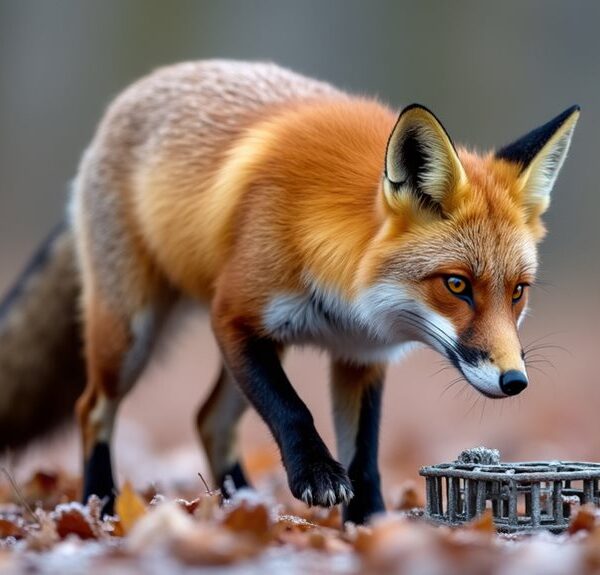
Foxes, however, come in a delightful array of colors—the famous red fox sports that rusty-orange coat with white-tipped tail, while Arctic foxes change from brown to white seasonally. Additionally, foxes such as the Fennec fox employ unique adaptations, like large ears, to survive in their harsh environments.
Foxes also have those distinctive pointed ears and bushy tails that seem almost too large for their bodies—nature’s way of giving the little guys some extra flair!



Social Structure and Pack Dynamics
The pack mentality forms the cornerstone of how wolves and foxes traverse their social worlds, though you’ll find dramatic differences between these canine relatives.
Wolves adopt a tight-knit social hierarchy, with alpha pairs leading groups that typically include 6-10 members who hunt, raise young, and defend territory together. This complex pack behavior involves elaborate communication and defined roles.
In contrast, you’ll notice foxes prefer a more independent lifestyle. While they form small family units during breeding season, foxes typically hunt alone and maintain less rigid social structures. Fox social dynamics are characterized by a fluid social hierarchy, allowing for varied interactions and competition among family members.
They don’t display the intricate pack behavior that defines wolf communities. A fox family usually consists of a mated pair and their offspring, who’ll eventually disperse to establish their own territories, unlike wolves who might remain with their natal pack for years.
Hunting Strategies and Dietary Preferences

When comparing foxes and wolves, you’ll discover fascinating differences in how these canids hunt and what they prefer to eat.
Wolves are team players, using coordinated pack hunting techniques to take down large prey like elk, deer, and moose. You’ll often see them working together, encircling their target before launching a unified attack.
Foxes, on the other hand, are solitary hunters with clever hunting techniques suited for catching smaller meals. They’ll pounce on mice, voles, and rabbits with their remarkable hearing that can detect prey moving under snow!
Their food sources are more diverse too—they’ll happily munch on fruits, berries, and insects when meat isn’t available. Unlike their larger cousins, foxes are adaptable opportunists who’ve mastered the art of survival through flexibility rather than strength. Moreover, foxes’ solitary hunting techniques reflect their evolutionary adaptations that differ from their canine relatives.
Habitat Range and Geographical Distribution
Across the diverse terrains of our planet, foxes and wolves have carved out distinctly different territories that reflect their adaptability and survival needs.
You’ll find wolves primarily in wilderness areas—dense forests, mountainous regions, and tundra environments—where they can form packs and hunt larger prey. Their habitat preferences lean toward spaces with minimal human interference and abundant wildlife.
Foxes, on the other hand, showcase remarkable geographical variations in their distribution. These clever creatures have adapted to almost every continent and environment, from arctic regions to urban neighborhoods! In fact, the red fox is one of the most widespread species, thriving in diverse habitats alongside humans.
The adaptable fox thrives globally, making itself at home from frozen tundras to bustling city centers.
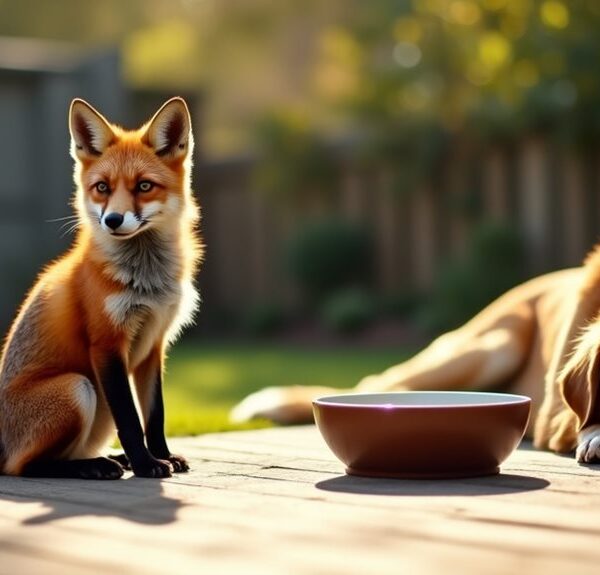
You might spot a fox in your suburban backyard or even in a city park. They’re masters at adjusting to human presence, finding food opportunities in our settlements that wolves typically avoid.
Cultural Symbolism and Human Interactions

Throughout ancient mythology and modern popular culture, foxes and wolves have embodied dramatically different symbolic meanings that continue to shape our interactions with these fascinating creatures.
You’ll notice wolves often represent strength, loyalty, and wilderness in folklore representations, appearing as both fearsome predators and noble pack leaders. They’ve been both villains in tales like “Little Red Riding Hood” and spiritual guides in Native American traditions.
Foxes, meanwhile, carry a cultural significance tied to cleverness and trickery. From Aesop’s fables to Japanese kitsune myths, you’ll find foxes portrayed as cunning tricksters who outsmart larger adversaries. In many Native American cultures, foxes symbolize wisdom and adaptability, highlighting their role as guardians and spiritual guides in navigating life’s challenges.
Today, you’ll see these contrasting images everywhere—wolves as team mascots symbolizing courage, while foxes appear in stories as charming, clever characters who rely on wit rather than strength.
Final Thoughts
You’ve now discovered how foxes and wolves differ in fascinating ways. Next time you’re hiking in Yellowstone, you’ll understand why wolves travel in coordinated packs while that solitary fox might dart away at your approach. These canine cousins, though related, have evolved with unique traits that help them thrive in their own special niches. Remember, whether they’re howling on mountaintops or slipping through your garden at dusk, they’re both remarkable survivors in the wild.