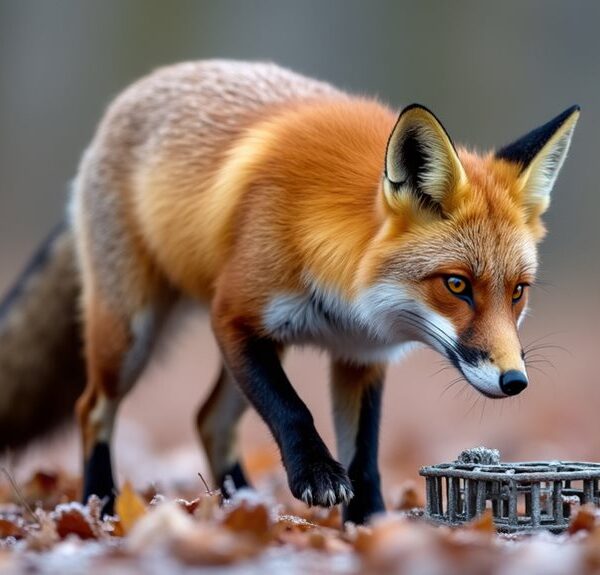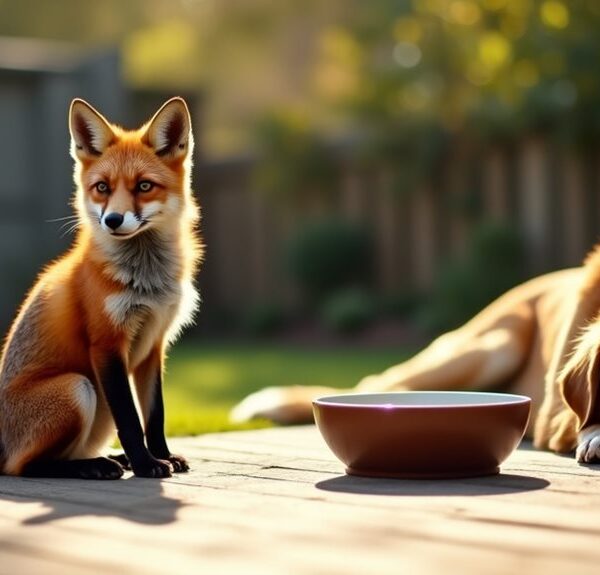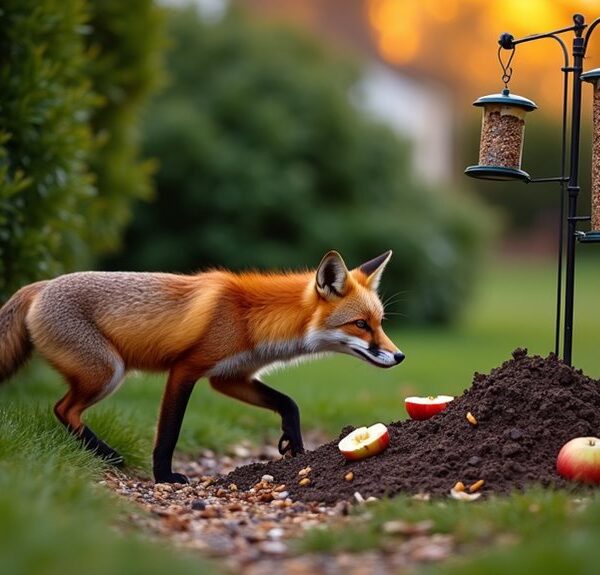

A red fox in suburban London once spent an entire evening collecting shoes from doorsteps, not to eat them, but to arrange them in a neat pile near its den. This wasn’t hunger or survival instinct; it was pure, inexplicable play. Understanding what do foxes do for fun reveals a complex picture of intelligent mammals that balance survival with genuine enjoyment, challenging our assumptions about wildlife behaviour.
Foxes engage in activities that serve dual purposes: honing survival skills while clearly deriving pleasure from the experience. From elaborate hunting games to social wrestling matches, these canids demonstrate that play isn’t exclusive to domesticated animals. Their recreational behaviours offer windows into cognitive abilities, social structures, and adaptability that have allowed foxes to thrive across diverse habitats worldwide.
Key Takeaways
- Foxes engage in hunting play that combines skill development with apparent enjoyment, particularly the signature “mouse pounce” behaviour
- Social play among kits and adults strengthens family bonds and establishes hierarchies within fox groups
- Object manipulation and caching games demonstrate problem-solving abilities and cognitive flexibility
- Urban foxes have adapted their play to include human objects, showing remarkable behavioural plasticity
- Seasonal variations affect play patterns, with peak activity during mating season and kit-rearing periods
The Science Behind Fox Play Behaviour
What Do Foxes Do for Fun in the Wild?
Vulpine behaviour researchers have documented consistent play patterns across fox species, with the red fox (Vulpes vulpes) showing the most diverse repertoire. Wild foxes dedicate significant time to activities that aren’t strictly necessary for immediate survival, suggesting these behaviours fulfill important developmental and social functions.
Primary play categories observed in wild foxes:
- 🦊 Hunting practice: Pouncing on leaves, sticks, or imaginary prey
- 🤼 Social wrestling: Gentle biting and tumbling between family members
- 🏃 Chase sequences: High-speed pursuits without predatory intent
- 🧩 Object manipulation: Tossing, carrying, and hiding non-food items
- 💃 Solo acrobatics: Jumping, spinning, and rolling behaviours
The famous “mouse pounce”, where foxes leap high and dive nose-first into snow or grass, serves both as hunting technique and recreational activity. Field observations across the red fox range from Arctic regions to Mediterranean climates show foxes performing this behaviour even when prey is clearly absent, suggesting they find the activity intrinsically rewarding.
Neurological Basis of Fox Recreation
Recent studies on captive foxes have revealed that play behaviours activate similar neural pathways to those observed in domestic dogs. The release of dopamine during play activities indicates genuine pleasure responses, not merely instinctive motor patterns. This neurological evidence supports the observation that foxes genuinely “enjoy” certain activities beyond their survival value.
Young kits show the highest frequency of play behaviour, with sessions lasting 15-30 minutes multiple times daily. As foxes mature, play becomes more sophisticated and often incorporates elements of territorial behaviour and social hierarchy establishment. Baby foxes display particularly energetic play patterns that are essential for developing the coordination needed for adult survival.
Hunting Games: Where Survival Meets Entertainment

The Art of the Pounce
What do foxes do for fun when alone? They practice hunting with an enthusiasm that exceeds mere necessity. The characteristic high-arcing pounce, where a fox leaps up to two meters in the air before diving downward, appears in contexts far removed from actual feeding.
Observers have documented foxes pouncing on:
- Windblown leaves and paper
- Their own tails
- Shadows and light reflections
- Snow mounds with no prey underneath
- Puddles and water surfaces
This behaviour demonstrates the intersection of play and skill maintenance. The precision required to locate prey beneath snow using only auditory cues demands constant practice. Foxes that engage in more frequent “practice pounces” show higher hunting success rates, but the exuberance with which they perform these actions, complete with mid-air twists and repeated attempts, suggests enjoyment beyond utilitarian purpose.
Caching as Recreation
Food caching behaviour in foxes extends beyond simple storage. Foxes create elaborate cache networks, often moving items between locations without consuming them. This “re-caching” behaviour appears to serve cognitive exercise functions, helping foxes maintain mental maps of their territory.
Caching play patterns include:
| Behaviour | Purpose | Play Element |
|---|---|---|
| Multiple cache creation | Food security | Excessive hiding of non-food items |
| Cache checking | Memory maintenance | Visiting empty caches repeatedly |
| Mock caching | Deception practice | Elaborate digging without depositing items |
| Cache raiding | Opportunistic feeding | Investigating own caches playfully |
Urban foxes have been observed caching items with no nutritional value, golf balls, gloves, and famously, shoes, suggesting the caching behaviour itself provides satisfaction independent of food security. Understanding what foxes really eat helps contextualize which cached items serve survival versus play purposes.

Social Play and Family Dynamics
Kit Development Through Play
What do foxes do for fun within family groups? Young kits engage in elaborate social play that establishes lifelong behavioural patterns. Wrestling matches between siblings appear gentle but serve critical functions in establishing dominance hierarchies and teaching bite inhibition.
Developmental play stages:
- Weeks 4-6: Clumsy tumbling and mouthing near den sites
- Weeks 7-10: Coordinated chasing and ambush games
- Weeks 11-16: Complex hunting simulations and territory exploration
- Weeks 17-20: Adult-style play with refined social signals
Parent foxes actively participate in kit play, demonstrating hunting techniques and appropriate social responses. Vixens (female foxes) often initiate play sessions by bringing live but injured prey to den sites, allowing kits to practice killing techniques in a controlled environment. While this appears harsh, it represents a crucial educational function wrapped in play-like interaction.
Adult Social Play
Contrary to the solitary reputation of foxes, adults maintain play relationships throughout their lives, particularly during mating season. Dog foxes (males) and vixens engage in elaborate courtship play that includes:
- Synchronized running and jumping
- Gentle nipping and grooming
- Vocalisations that differ from territorial calls
- Gift-giving behaviour (presenting food items)
These interactions strengthen pair bonds and may continue throughout the breeding season. Fox mating rituals demonstrate how play behaviour transitions into reproductive success, with more playful pairs showing higher kit survival rates.
Urban Fox Recreation: Adapting Play to Human Environments
What Do Foxes Do for Fun in Cities?
Urban foxes have developed unique play behaviours that incorporate human-made objects and environments. Cities provide novel stimulation that wild habitats cannot match, leading to innovative recreational activities.
Urban play innovations include:
- 🎾 Playing with sports equipment left in gardens
- 🚗 Chasing remote-controlled toys
- 💦 Splashing in ornamental ponds and fountains
- 📦 Investigating and manipulating garbage bins
- 🎪 Using playground equipment as obstacle courses
The infamous shoe-stealing behaviour documented across British suburbs represents a fascinating case study. Foxes don’t eat shoes but collect them systematically, suggesting the behaviour fulfills play or hoarding instincts. Why foxes steal shoes remains partially mysterious, but the behaviour clearly provides some form of satisfaction beyond survival needs.
Nocturnal Habits and Play Timing
Foxes are primarily crepuscular and nocturnal, with peak activity during dawn and dusk. Their play behaviours follow these patterns, with most recreational activities occurring during low-light conditions. This timing serves dual purposes: avoiding human disturbance while capitalizing on optimal hunting conditions.
Urban foxes have adapted their schedules to human activity patterns, sometimes engaging in play during daylight hours in areas with minimal human traffic. Garden cameras frequently capture foxes playing on lawns at 2-4 AM, performing behaviours that serve no immediate survival function, rolling in grass, chasing moths, or simply lying on their backs watching the sky.
Vocalisations During Play
The Sounds of Fox Fun
Fox vocalisations change dramatically during play contexts compared to territorial or alarm calls. Play vocalisations include:
- Soft “gekkers”: Rapid, stuttering sounds during wrestling
- Playful barks: Higher-pitched than alarm barks
- Whining calls: Contact calls between playing individuals
- Purring sounds: Contentment indicators during gentle play
These sounds help researchers distinguish genuine play from aggressive encounters. Fox vocalisations vary significantly by context, with play sounds showing more variation and softer volume than territorial communications.
Young kits produce distinctive “play screams” that initially alarm human observers but represent normal social development. These high-pitched vocalizations during rough play help kits learn appropriate force levels and social boundaries.
Seasonal Variations in Fox Play
How Seasons Affect What Foxes Do for Fun
Play behaviour intensity varies dramatically across the annual cycle, correlating with reproductive and resource availability patterns.
Seasonal play patterns:
| Season | Play Intensity | Primary Activities | Social Context |
|---|---|---|---|
| Spring | Highest | Kit development, family play | Family groups at den sites |
| Summer | High | Dispersal play, exploration | Young foxes establishing territories |
| Autumn | Moderate | Caching games, hunting practice | Solitary or paired |
| Winter | Lower | Energy conservation, brief play | Mating pairs during breeding season |
Winter survival strategies prioritize energy conservation, reducing but not eliminating play behaviour. Even during harsh conditions, foxes engage in brief play sessions, suggesting these activities provide psychological benefits that justify energy expenditure.
Intelligence and Problem-Solving Play
Cognitive Enrichment Through Recreation
What do foxes do for fun that demonstrates intelligence? Foxes engage in problem-solving activities that appear to provide mental stimulation beyond immediate rewards. Captive fox studies show individuals will solve puzzles even when food is freely available, suggesting intrinsic motivation for cognitive challenges.
Problem-solving play includes:
- Opening latches and containers
- Manipulating objects to create desired effects
- Learning through observation and imitation
- Inventing novel uses for familiar objects
- Teaching problem-solving techniques to kits
Wild foxes demonstrate similar behaviours when encountering human-made obstacles. Garden cameras capture foxes spending extended periods manipulating gate latches, not to access food, but apparently to understand the mechanism. This exploratory behaviour represents play that builds cognitive flexibility.
Track Identification: Following Fox Play Patterns
Understanding fox play requires recognizing their presence through track identification and sign. Fox tracks differ from domestic dog prints through several characteristics:
- Size: 4-5 cm long, narrower than dog tracks
- Shape: Oval with visible claw marks
- Gait: Typically direct register (hind foot in front footprint)
- Pattern: Straight line indicating efficient movement
Play areas show distinctive track patterns, circular routes, repeated pounce marks, and disturbed vegetation without feeding sign. Den sites surrounded by play tracks indicate active family groups with healthy kits engaging in normal developmental behaviour.
Observing Fox Play Safely
Best Practices for Wildlife Watching
For those interested in observing what foxes do for fun, ethical wildlife watching principles apply:
✅ Do:
- Observe from distance using binoculars or cameras
- Remain quiet and minimize movement
- Visit known fox areas during dawn/dusk
- Respect den sites by maintaining 50+ meter distance
- Document behaviours through photography or notes
❌ Don’t:
- Approach foxes or attempt interaction
- Feed foxes or leave food attractants
- Use calls or sounds to attract foxes
- Disturb den sites or family groups
- Assume friendly behaviour means domestication
What to do when you see a red fox provides detailed guidance for safe wildlife encounters. Remember that foxes are wild animals; their play behaviours should be observed, not interrupted or encouraged through human interaction.
FAQ
Do foxes actually enjoy playing, or is it just instinct?
Neurological evidence shows foxes experience pleasure during play, with dopamine release similar to domestic dogs. While play serves developmental and skill-maintenance functions, foxes engage in play behaviours even when survival needs are met, suggesting genuine enjoyment beyond pure instinct.
What time of day are foxes most playful?
Foxes show peak play activity during crepuscular periods (dawn and dusk), with secondary activity peaks around midnight. Urban foxes may adjust schedules based on human activity, sometimes playing during daylight in quiet areas. Kit play occurs throughout the day near den sites.
Do adult foxes play with each other?
Yes, adult foxes engage in social play, particularly during mating season and within established pairs. Play intensity decreases with age but never disappears entirely. Bonded pairs show more frequent play interactions than solitary individuals.
Can I encourage foxes to play in my garden?
While foxes may naturally use gardens for play, actively encouraging this behaviour is not recommended. Foxes should remain wild and wary of humans. Providing natural habitat features (log piles, varied vegetation) may attract foxes, but direct interaction or feeding should be avoided.
How can I tell if foxes are playing or fighting?
Play involves relaxed body language, open mouths without tension, role-reversal (taking turns being “dominant”), and soft vocalizations. Fighting shows stiff posture, flattened ears, serious biting attempts, and harsh screaming. Play can transition to aggression, but most interactions remain friendly.
Do different fox species play differently?
Yes, species variations exist. Arctic foxes show more social play due to family group structures. Fennec foxes engage in extensive digging play. Red foxes display the most diverse play repertoire due to their adaptability across habitats. Different fox species show unique play adaptations to their environments.
Conclusion
Understanding what foxes do for fun reveals these canids as complex, intelligent mammals that balance survival imperatives with genuine recreational behaviour. From the signature mouse pounce performed with obvious enthusiasm to elaborate social play that strengthens family bonds, foxes demonstrate that play serves both practical and psychological functions.
The adaptability of fox play, particularly evident in urban environments where foxes incorporate human objects into their recreational repertoire, showcases remarkable cognitive flexibility. Whether caching golf balls, wrestling with siblings, or performing acrobatic leaps for no apparent reason beyond the joy of movement, foxes engage with their world in ways that transcend simple survival.
Next steps for fox enthusiasts:
- Observe local fox populations during dawn or dusk to witness natural play behaviours
- Document sightings through photography or journaling to contribute to citizen science
- Create wildlife-friendly spaces that provide natural play opportunities without encouraging dependency
- Learn more about fox behaviour and biology to deepen appreciation for these remarkable animals
- Share knowledge with others to promote coexistence and conservation
The playful nature of foxes reminds us that wildlife experiences emotions and engages with the world in ways that mirror our own need for recreation and joy. By understanding and respecting these behaviours, we can better appreciate the foxes that share our landscapes, whether in remote wilderness or suburban gardens, as the intelligent, playful creatures they truly are.