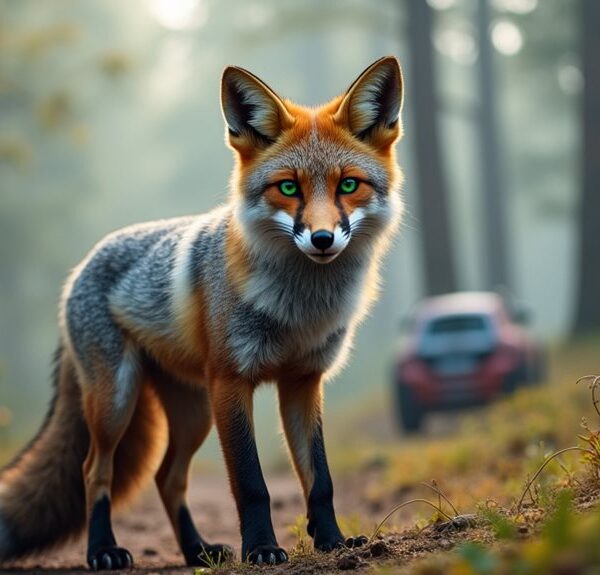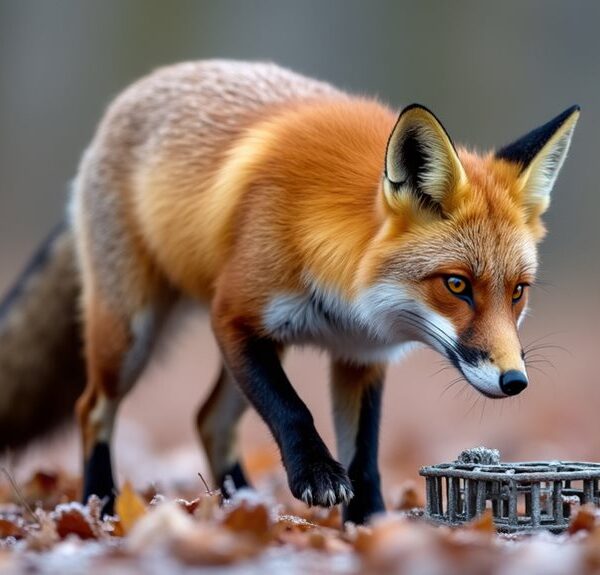
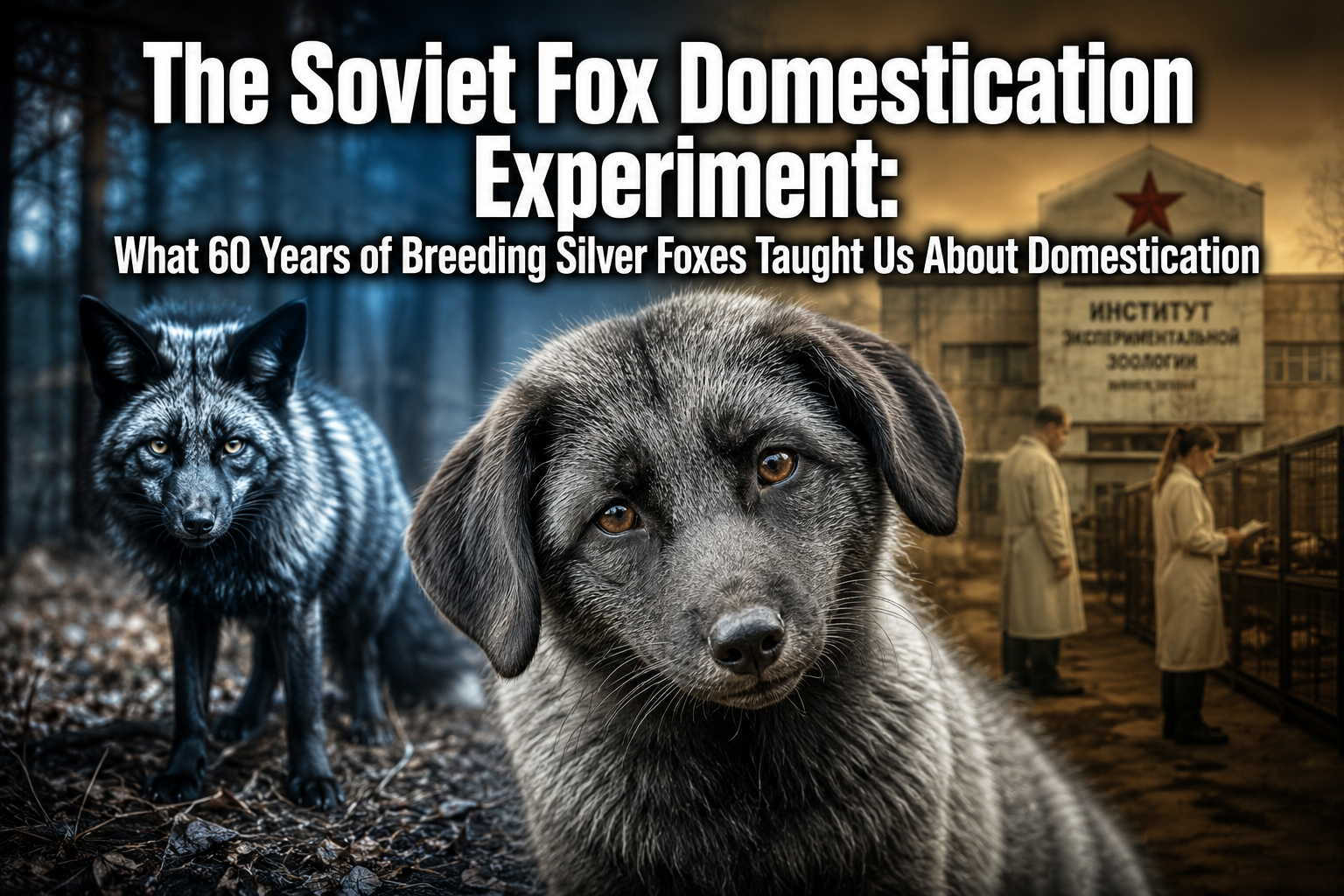
In 1959, Soviet geneticist Dmitry Belyayev began selecting silver foxes for a single trait: tameness toward humans. Within just six generations, something extraordinary happened, foxes started wagging their tails. By the tenth generation, some had developed floppy ears. Today, more than 60 years later, the fox domestication experiment continues to reveal profound insights about how wild animals transform into companions, challenging everything scientists thought they knew about the domestication process.
The experiment, conducted at the Institute of Cytology and Genetics in Novosibirsk, Siberia, represents the only large-scale attempt to replicate domestication in real time. Unlike the gradual domestication of dogs over thousands of years, this controlled study compressed evolutionary changes into human-observable timeframes, offering a rare window into the biological mechanisms that separate wild creatures from their domesticated counterparts.
Key Takeaways
- Rapid transformation: The fox domestication experiment produced dog-like behavioral and physical changes in silver foxes within just 6-10 generations of selective breeding for tameness
- Unexpected physical changes: Selecting solely for friendly behavior inadvertently triggered changes in coat color, ear shape, tail curl, skull structure, and reproductive timing
- Genetic insights: The experiment revealed that domestication involves changes to neural crest cells during development, affecting multiple body systems simultaneously
- Hormone connection: Domesticated foxes show reduced stress hormones (cortisol and corticosterone) and altered neurotransmitter levels compared to their wild counterparts
- Ongoing research: The experiment continues in 2026, now exploring the genetic basis of domestication and its implications for understanding human evolution and animal behavior
The Origins of the Fox Domestication Experiment
Dmitry Belyayev launched his ambitious project during a politically dangerous time for Soviet genetics. Lysenkoism, a pseudoscientific doctrine that denied Mendelian genetics, dominated Soviet biology, and many geneticists had been imprisoned or executed. Belyayev disguised his work as an effort to improve fur quality in commercially farmed foxes, when his true goal was far more revolutionary: to test whether selecting for tameness alone could trigger the suite of changes seen in domesticated animals.
Working with silver foxes (Vulpes vulpes, a color morph of the red fox) from fur farms, Belyayev and his colleague Lyudmila Trut established a rigorous selection protocol. Each month, researchers would approach fox pups and attempt to pet and handle them. The foxes that showed the least fear and aggression, those that tolerated or even sought human contact, were selected for breeding. The most aggressive and fearful foxes were bred separately as a control population.
This simple selection criterion produced astonishing results. The fox domestication experiment wasn’t just creating tamer foxes; it was recreating the domestication process itself, complete with physical transformations that no one had deliberately selected for.
The Selection Process
The researchers used a standardized behavioral test to evaluate each fox’s temperament. Handlers would approach the cage, open it, and attempt to touch the fox while offering food. Foxes were rated on a scale:
- Class III (Aggressive): Fled from or bit handlers
- Class II (Fearful): Allowed approach but showed no friendly response
- Class I (Calm): Tolerated handling without aggression
- Class IE (Domesticated Elite): Actively sought human contact, whined for attention, and licked handlers
Only foxes in the top categories were bred together. This intense selection pressure, far stronger than what occurs in nature, accelerated evolutionary changes dramatically.
Physical Transformations: The Domestication Syndrome
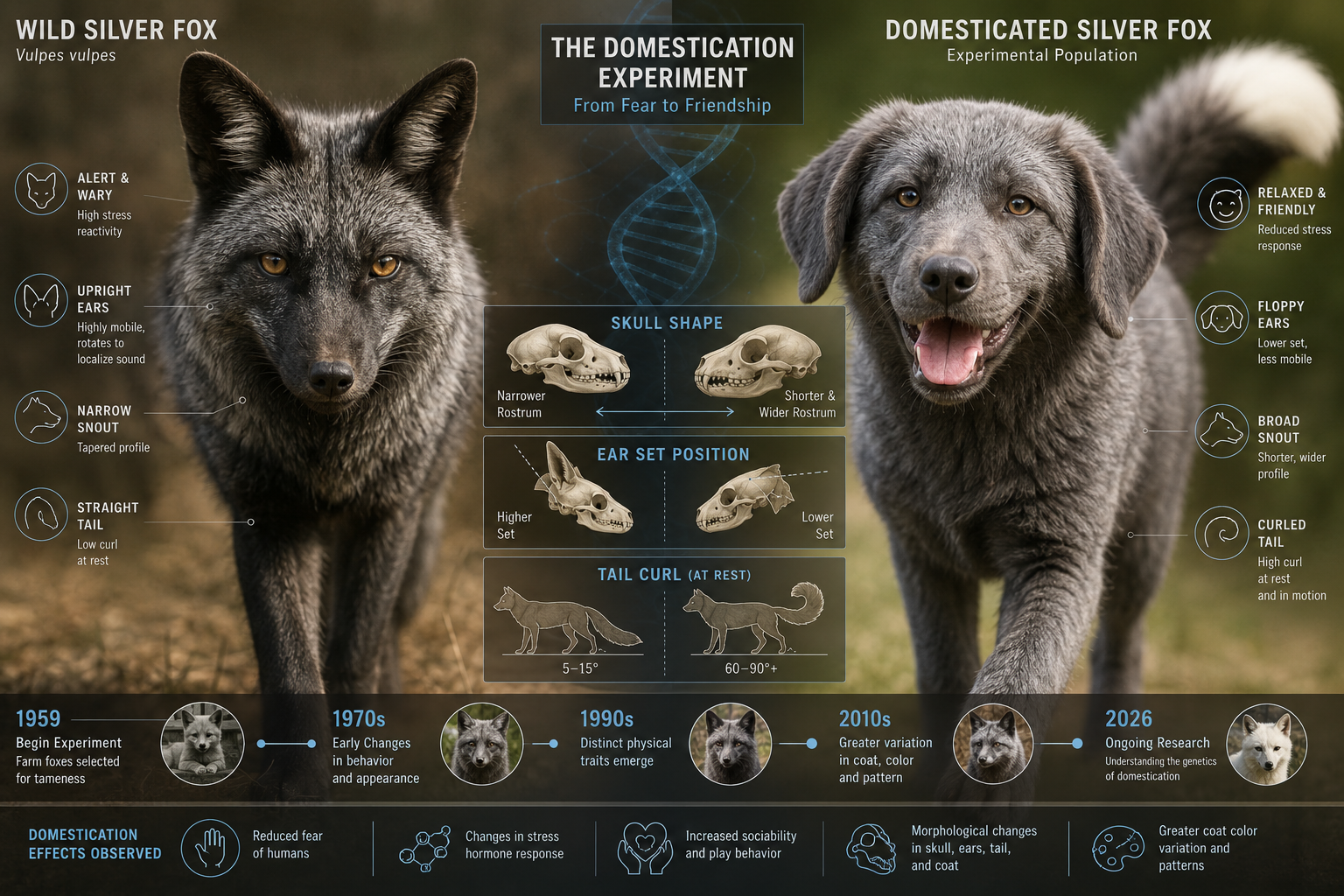
Within a decade, the experimental foxes began displaying a cluster of traits that Charles Darwin had first noted in domesticated animals more than a century earlier. Scientists now call this collection of features the “domestication syndrome,” and the fox domestication experiment provided the first controlled demonstration of how it emerges.
Visible Changes in Domesticated Foxes
Floppy ears appeared in some foxes by generation 10. Unlike their wild counterparts with permanently erect, alert ears, these foxes had ears that drooped or folded, similar to many dog breeds. This change results from weaker cartilage in the ear, itself a consequence of altered neural crest cell development.
Tail curling became increasingly common. Wild foxes carry their tails straight behind them or tucked between their legs when fearful. Domesticated foxes began curling their tails over their backs, particularly when excited, a posture familiar to anyone who has observed the relationship between red foxes and dogs.
Coat color variations emerged spontaneously. The silver foxes, already a color variant of red foxes, began producing offspring with white patches, brown spots, and even piebald patterns resembling those of domestic dogs. Some developed white blazes on their faces or white-tipped tails. These changes weren’t selected for; they simply appeared alongside tameness.
Skull and facial changes became measurable by generation 15. Domesticated foxes developed shorter, wider snouts and smaller teeth compared to wild foxes. Their skulls showed more juvenile proportions even in adulthood, a phenomenon called neoteny, where adult animals retain juvenile features.
Body proportions shifted subtly. Some domesticated foxes developed slightly shorter legs and smaller overall body size, though this varied considerably among individuals.
Behavioral Shifts Beyond Tameness
The behavioral changes extended far beyond simple tolerance of humans. Domesticated foxes began displaying dog-like behaviors that wild foxes never show:
- Tail wagging when greeting familiar humans
- Whining and barking to attract attention (wild foxes rarely vocalize except during mating season or when threatened)
- Licking faces as a greeting behavior
- Playing with humans and toys well into adulthood
- Reading human gestures, including following pointing and gaze direction
These foxes also showed altered reproductive timing. Wild silver foxes breed once annually in a strict seasonal pattern. Some domesticated foxes began cycling twice per year, and their breeding season expanded, changes that parallel those seen in domestic dogs compared to wolves.
The domesticated foxes maintained their playful, juvenile behavior much longer than wild foxes. While wild fox kits become increasingly independent and wary after just a few months, domesticated foxes retained puppy-like playfulness into adulthood.
The Genetic and Hormonal Basis of Domestication
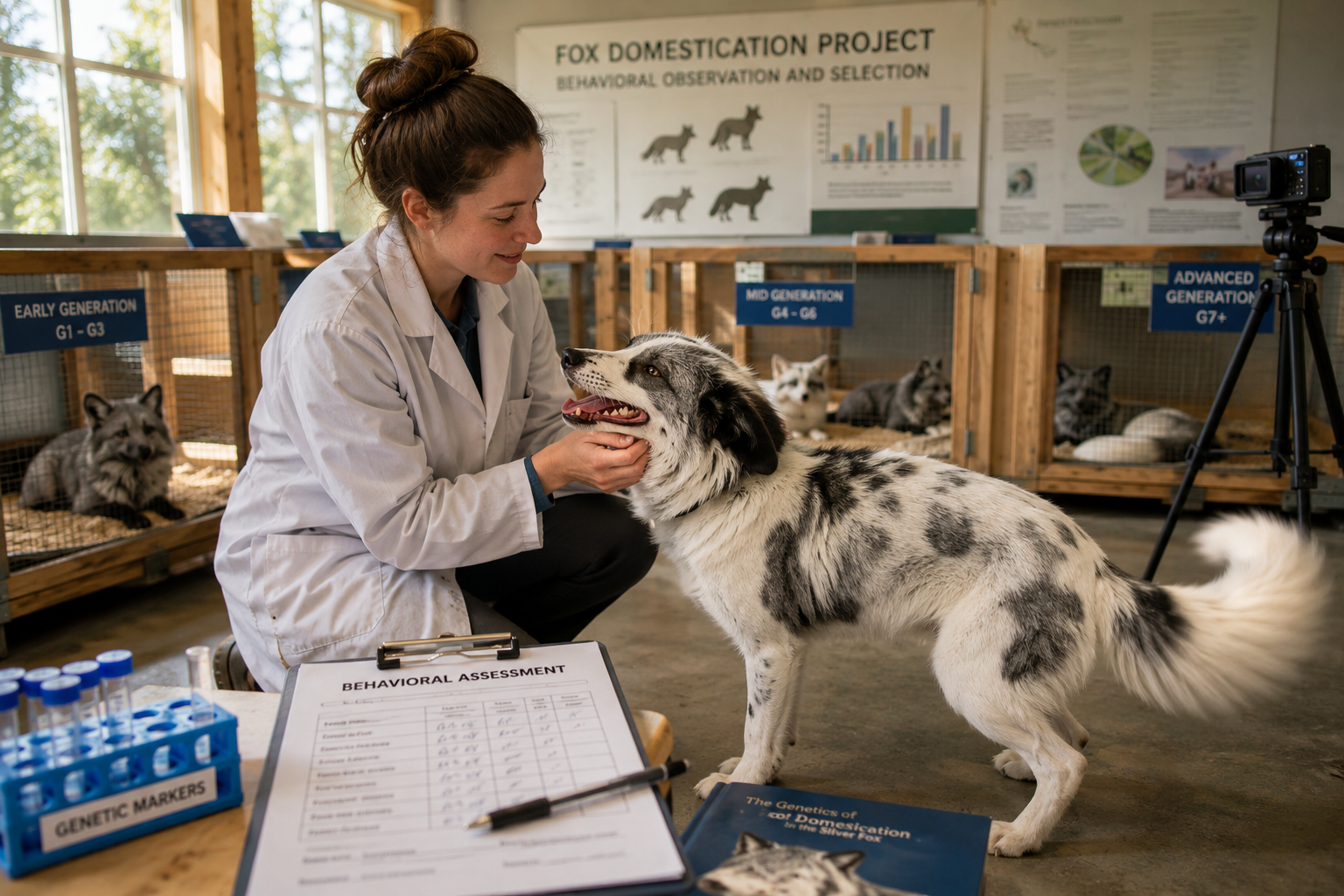
The fox domestication experiment revealed that selecting for tameness wasn’t just changing behavior, it was rewiring the foxes’ entire developmental biology. Modern genetic analysis has begun to uncover exactly how this happens.
The Neural Crest Cell Hypothesis
In 2014, geneticist Adam Wilkins and colleagues proposed that many domestication syndrome traits stem from changes to neural crest cells,a population of embryonic cells that migrate throughout the developing body. These remarkable cells contribute to:
- Pigment cells in skin and fur
- Cartilage in ears and face
- Parts of the adrenal glands (which produce stress hormones)
- Portions of the nervous system
The hypothesis suggests that selecting for tameness inadvertently selected for foxes with slightly reduced or altered neural crest cell function. This single developmental change could explain why coat color, ear shape, skull structure, and stress response all changed together, they all depend on neural crest cells during development.
Domesticated foxes show measurably lower levels of stress hormones. Their adrenal glands produce less cortisol and corticosterone when faced with novel situations or human contact. This reduced stress response makes them calmer and more exploratory, traits that would help wild animals tolerate human proximity.
Genetic Discoveries
Recent genomic studies comparing domesticated and aggressive fox populations have identified specific genetic regions associated with tameness. Many of these genes are involved in:
- Neural development and function: Genes affecting how neurons form connections and communicate
- Hormone regulation: Genes controlling stress response and reproductive timing
- Developmental timing: Genes that influence when certain developmental processes start and stop
Interestingly, some of the same genetic regions show signatures of selection in domestic dogs, suggesting that dog and fox domestication may have involved similar genetic pathways despite occurring independently and thousands of years apart.
The experiment also revealed that epigenetic changes,modifications to how genes are expressed without changing the DNA sequence itself, play a role in domestication. These changes can sometimes be passed from parents to offspring, potentially accelerating the domestication process.
What the Experiment Teaches Us About Dog Domestication
The fox domestication experiment offers crucial insights into how wolves became dogs, a transformation that began at least 15,000 years ago and possibly much earlier. While we can’t observe ancient domestication directly, the fox experiment provides a working model.
The Self-Domestication Hypothesis
One major insight: domestication may have begun without deliberate human breeding. The experiment suggests that wolves who were naturally less fearful of humans could have begun scavenging near human settlements. These bolder wolves would have had better access to food scraps, giving them a survival advantage. Over generations, this natural selection for tameness could have initiated the domestication process before humans began actively breeding dogs for specific traits.
This “self-domestication” hypothesis helps explain why domestication happened independently in multiple regions and why early dogs show domestication syndrome traits even though early humans probably weren’t deliberately selecting for floppy ears or spotted coats.
Speed of Domestication
The fox experiment demonstrates that major behavioral and physical changes can occur remarkably quickly, within decades rather than millennia, when selection pressure is strong. This suggests that the early stages of dog domestication could have progressed rapidly once the process began, even if the full transformation took thousands of years.
Unintended Consequences
Perhaps most importantly, the experiment shows that selecting for one trait (tameness) inevitably brings along other changes. Early humans breeding dogs for friendliness or hunting ability would have automatically gotten animals with altered coat colors, changed body proportions, and modified stress responses, whether they wanted those traits or not. This helps explain the remarkable diversity of dog breeds and why even ancient dog remains show such varied appearances.
Current Status and Ongoing Research in 2026
More than six decades after it began, the fox domestication experiment continues at the Institute of Cytology and Genetics in Novosibirsk, now under the direction of Lyudmila Trut and her colleagues. The research has expanded far beyond the original behavioral observations.
Modern Research Directions
Genomic studies are identifying the specific mutations responsible for tameness and associated traits. Researchers are using advanced sequencing technology to compare the genomes of domesticated, aggressive, and wild foxes, pinpointing the genetic changes that occurred during the experiment.
Cognitive research explores how domestication affects fox intelligence and problem-solving abilities. Studies show that domesticated foxes are better at reading human social cues than wild foxes, but wild foxes may excel at independent problem-solving, a trade-off that mirrors differences between dogs and wolves, and relates to broader questions about how smart foxes are.
Developmental biology investigations examine exactly how neural crest cells and hormones change during fox embryonic development, providing insights into the mechanisms linking behavior and physical form.
Comparative studies look at other species that have undergone domestication, including rats, mink, and even fish, to determine whether the patterns seen in foxes represent universal principles of domestication.
The Foxes Today
The domesticated fox population now numbers several hundred individuals, representing more than 50 generations of selection. These foxes are dramatically different from their wild ancestors:
- They actively seek human contact and become distressed when isolated from people
- They respond to their names and can learn basic commands
- They show attachment behaviors toward familiar humans
- They display the full range of domestication syndrome physical traits
A separate population of foxes bred for aggression toward humans has also been maintained as a control. These foxes are more fearful and aggressive than typical wild foxes, demonstrating that selection can push traits in either direction.
Challenges and Controversies
The experiment faces ongoing challenges. Funding has been inconsistent, particularly after the Soviet Union’s collapse. The foxes require significant resources for housing, feeding, and care. Some animal welfare advocates have questioned the ethics of breeding animals in captivity for research purposes, though the researchers maintain that the foxes receive good care and the scientific insights justify the program.
There’s also debate about whether these foxes should be considered truly “domesticated.” Unlike dogs, which have been shaped by thousands of years of living alongside humans in diverse environments, the experimental foxes have been bred in a controlled setting for a specific purpose. They haven’t adapted to the wide range of human environments that dogs navigate, from urban settings to rural farms.
Implications Beyond Foxes: Understanding Domestication and Evolution
The fox domestication experiment has implications that extend far beyond understanding how wild animals become tame. It provides insights into fundamental questions about evolution, development, and even human nature.
Human Self-Domestication
Some researchers propose that humans underwent a form of self-domestication during our evolution. Compared to our extinct relatives like Neanderthals, modern humans show several domestication syndrome traits: smaller teeth, more gracile skulls, reduced aggression, and extended juvenile periods. The fox experiment suggests that if early human groups selected against aggression, perhaps by excluding or punishing the most violent individuals, this could have triggered the same developmental changes seen in domesticated animals.
This hypothesis remains controversial, but the fox experiment provides a biological mechanism that makes it plausible.
Conservation and Rewilding
Understanding domestication helps conservation biologists working to reintroduce captive-bred animals to the wild. Animals bred in captivity for several generations often show domestication-like changes, reduced fear of humans, altered stress responses, and changed physical traits, that can reduce their survival in the wild. The fox experiment helps identify these changes and suggests how long populations need to be isolated from selection for tameness before these traits reverse.
Animal Welfare and Pet Keeping
The experiment raises important questions about whether foxes make good pets. While the domesticated experimental foxes are friendlier than wild foxes, they still retain many wild behaviors and needs. They’re not simply “dog-like” animals that can easily adapt to typical pet homes. The research helps clarify the difference between tame (an individual animal’s tolerance of humans) and domesticated (genetic changes across a population over many generations).
Understanding the biological basis of domestication also informs welfare standards for all domestic animals. It reveals that breeding for extreme tameness or specific physical traits can have unintended consequences for animal health and behavior.
Evolutionary Developmental Biology
The experiment has become a cornerstone case study in “evo-devo”, the field examining how developmental processes evolve. It demonstrates that complex suites of traits can be linked through shared developmental pathways, and that selecting for one trait can trigger cascading changes throughout an organism’s biology. This principle applies far beyond domestication, helping explain how evolution can produce rapid, coordinated changes in body form and function.
Comparing Wild and Domesticated Fox Behavior
The behavioral differences between wild and domesticated foxes extend into nearly every aspect of their lives, offering a detailed picture of what domestication actually changes.
Response to Humans
Wild foxes, including those in the aggressive control population, show typical vulpine wariness. They avoid eye contact, retreat to the back of enclosures when humans approach, and may bite or scratch if cornered. Even hand-raised wild foxes typically become increasingly independent and wary as they mature, a pattern familiar to anyone who has observed wild red fox behavior.
Domesticated experimental foxes actively approach humans, make eye contact, and solicit attention through whining, tail wagging, and pawing. They show distress when separated from familiar humans and excitement when reunited, behaviors that parallel dog attachment to owners.
Social Behavior
Wild foxes are typically solitary or live in small family groups. Adult foxes outside of mating season generally avoid each other except in areas with abundant food. Their social interactions are brief and often involve displays of dominance or submission.
Domesticated foxes show increased sociability not just toward humans but toward each other. They tolerate closer proximity to other foxes and engage in more play behavior as adults. This increased sociability mirrors the difference between wolves (which live in packs but maintain strict hierarchies) and dogs (which often show more flexible, friendly social behavior).
Exploratory Behavior
When placed in novel environments, wild foxes typically freeze, assess the situation cautiously, and explore slowly while maintaining vigilance. Their stress hormone levels spike in new situations.
Domesticated foxes explore new environments more quickly and confidently. They show more curiosity and less fear, approaching novel objects and investigating them. This behavioral shift parallels the difference between wild and domestic animals across many species.
Vocalisations
Wild foxes have a limited vocal repertoire used primarily during mating season or when threatened. Their vocalizations include barks, screams, and warning calls.
Domesticated foxes have developed new vocalizations, including whining and “ha-ha” sounds when excited, vocalizations that wild foxes don’t produce. They vocalize more frequently and in more contexts, using sounds to communicate with humans in ways that wild foxes don’t.
Frequently Asked Questions
Can you buy a fox from the domestication experiment?
While the Institute of Cytology and Genetics has occasionally sold domesticated foxes, they’re not widely available and are extremely expensive (often $8,000-$10,000 USD). More importantly, even domesticated foxes require specialized care, large outdoor enclosures, and are illegal to own in many jurisdictions. They’re not suitable as typical house pets despite their friendly behavior. For those interested in fox care requirements, it’s important to understand the significant challenges involved.
How long did it take for the foxes to show domestication traits?
Behavioral changes appeared within just 6 generations (about 6 years, since foxes reach breeding age at one year). Physical changes like floppy ears and coat color variations appeared by generation 10-15. By generation 20, the domesticated foxes were dramatically different from their wild ancestors in both behavior and appearance.
Are the domesticated foxes a different species from wild foxes?
No, they remain the same species (Vulpes vulpes) and can still interbreed with wild silver foxes. However, they represent a distinct population with significant genetic and phenotypic differences. They’re analogous to how domestic dogs remain the same species as wolves (Canis lupus) despite dramatic differences.
What happened to the aggressive fox population?
The researchers maintained a separate line of foxes bred specifically for aggression toward humans as a control group. These foxes became even more fearful and aggressive than typical wild foxes, demonstrating that selection can push traits in either direction. This population provides valuable comparison data for understanding the genetic and behavioral changes in the domesticated line.
Does the experiment prove that domestication is always beneficial?
Not necessarily. While domestication produced friendlier foxes, it also brought unintended changes, some potentially problematic. Some domesticated foxes show skeletal abnormalities, altered immune function, and other health issues. The experiment demonstrates that domestication involves trade-offs and that selecting for one trait inevitably affects others, sometimes in unexpected ways.
How does fox domestication compare to cat domestication?
Cats show fewer domestication syndrome traits than dogs or the experimental foxes, suggesting their domestication followed a different path. Cats may have undergone less intense selection for tameness and retained more independence. The fox experiment helps clarify that domestication isn’t a single process but can occur through different mechanisms and to different degrees depending on the species and selection pressures involved.
Conclusion
The fox domestication experiment stands as one of the most elegant and revealing studies in evolutionary biology. Over six decades, Dmitry Belyayev, Lyudmila Trut, and their colleagues transformed wild silver foxes into friendly, dog-like companions, not through genetic engineering or intensive training, but simply by selecting for tameness generation after generation.
The experiment revealed that domestication isn’t just about behavior. It’s a fundamental reorganization of developmental biology that links behavior, physical form, and physiology through shared genetic and hormonal pathways. Selecting for friendliness automatically brought floppy ears, curled tails, and spotted coats, traits that define domesticated animals across species.
These insights help us understand not just how dogs evolved from wolves, but how domestication works as a biological process. They inform conservation efforts, animal welfare standards, and even theories about human evolution. The experiment demonstrates that evolution can produce dramatic changes remarkably quickly when selection pressure is strong, and that complex traits we think of as separate, behavior, appearance, stress response, are deeply interconnected through development.
For those fascinated by fox behavior and biology, the experiment offers a unique window into vulpine nature. It shows us what foxes could become under different evolutionary pressures, while also highlighting what makes wild foxes so perfectly adapted to their ecological niche. The wariness, independence, and alertness that the experiment bred away are precisely the traits that allow wild foxes to thrive from Arctic tundra to urban environments.
As the experiment continues in 2026, new genetic technologies promise even deeper insights into the mechanisms of domestication. Yet the fundamental lesson remains unchanged: in selecting for tameness, we don’t just change how animals behave toward us, we reshape their entire biology in ways both predictable and surprising. The silver foxes of Novosibirsk, with their wagging tails and floppy ears, stand as living proof that domestication is one of evolution’s most powerful and rapid transformations.