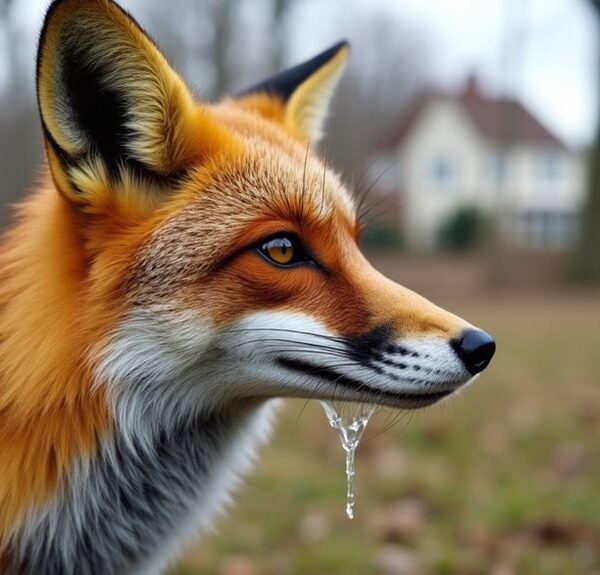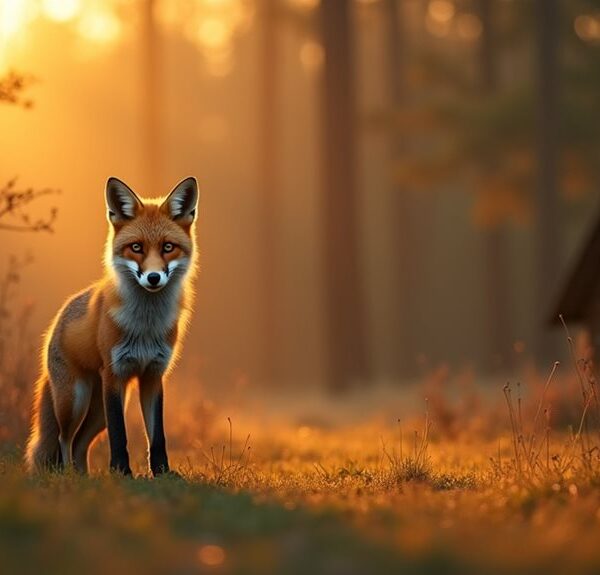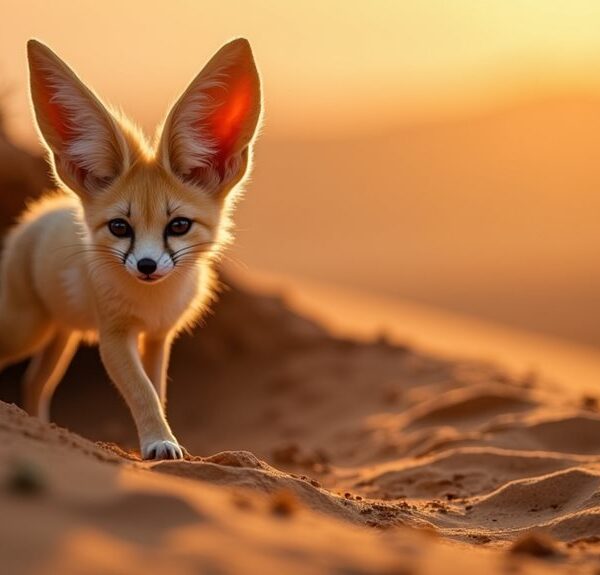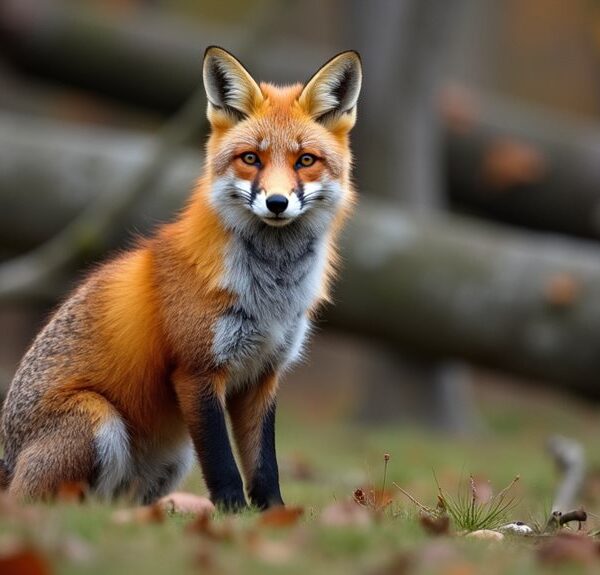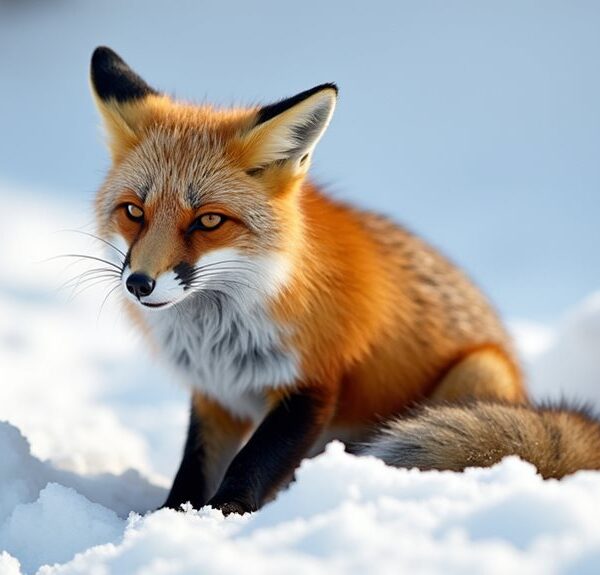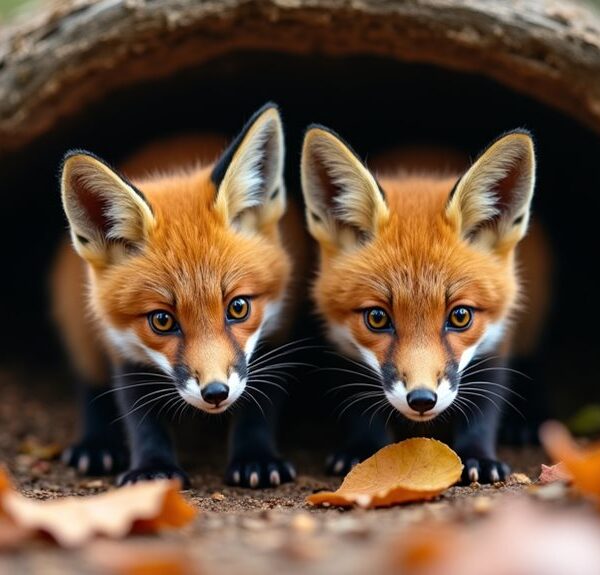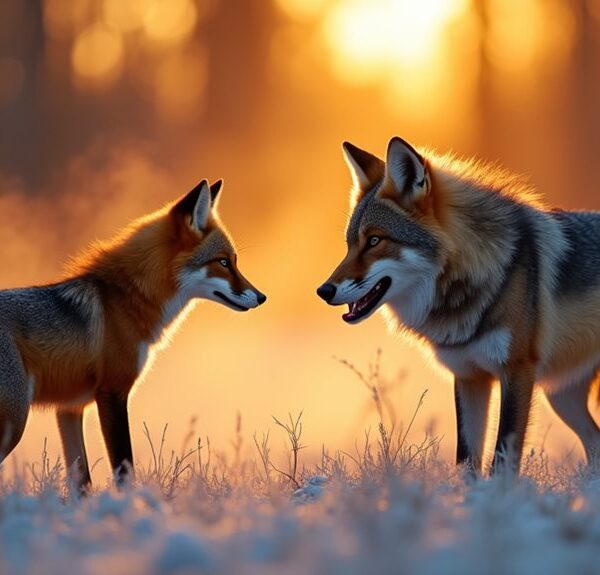
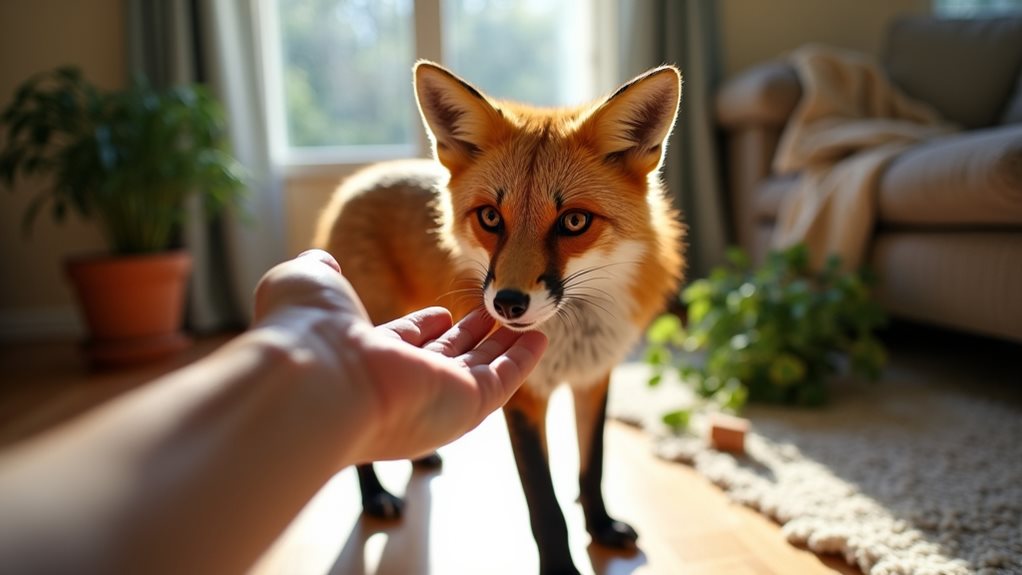
Foxes don’t make good pets for most people. While they’re undeniably cute, they require specialized care that’s beyond typical pet ownership. You’ll face strict legal hurdles, need extensive outdoor enclosures, and struggle to find vets who treat them. Their wild instincts lead to destructive behaviors, and they need complex diets that mimic their natural eating patterns. The ethical questions about keeping these wild animals captive deserve serious consideration before you pursue this challenging commitment.
Contents
- 1 The Legal Landscape of Fox Ownership
- 2 Natural Behaviors vs. Domestic Living
- 3 Housing and Space Requirements for Foxes
- 4 Diet and Nutritional Needs
- 5 Health Concerns and Veterinary Care
- 6 The Social Needs of Captive Foxes
- 7 Comparing Foxes to Traditional Pets
- 8 Ethical Considerations of Keeping Wild Animals
- 9 Final Thoughts
The Legal Landscape of Fox Ownership
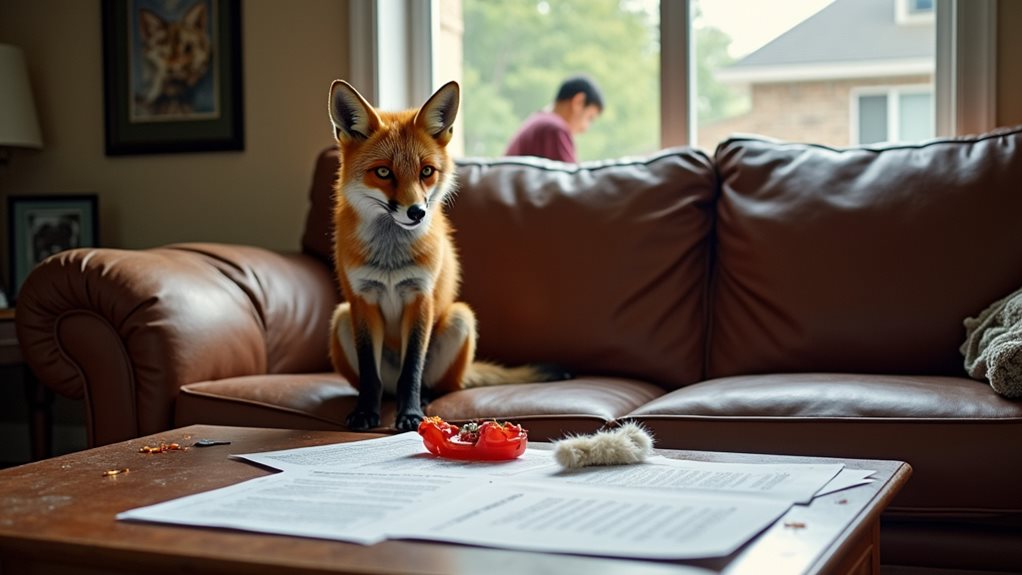
Before you get too excited about bringing a fox into your home, you’ll need to maneuver through the complex world of fox ownership laws. The legal regulations vary dramatically depending on where you live, with some states banning fox ownership entirely while others permit specific species under strict conditions.
You’ll likely need to research ownership permits in your area, which can involve lengthy application processes and steep fees. Many jurisdictions require special licenses, proof of proper housing, and even wildlife rehabilitation experience.
Don’t forget to check local county and city ordinances too—they might have additional restrictions beyond state laws. It’s important to ensure that you only consider captive-bred foxes as pets, as wild foxes are off-limits.

This Multi-Functional Wire Mesh offers a wide range of applications:Animal Protection (poultry fencing/ livestock enclosures),Garden Defense (raised planter boxes/flower and tree enclosures),Building Protection (gutter guards/eaves screening/balcony protection/guardrails for windows),machine protective covers, breeding nets, passage enclosures, as well as decorative purposes.Designed to meet all your diverse needs with superior durability and flexibility.
This Multi-Functional Wire Mesh offers a wide range of applications:Animal Protection (poultry fencing/ livestock enclosures),Garden Defense (raised planter boxes/flower and tree enclosures),Building Protection (gutter guards/eaves screening/balcony protection/guardrails for windows),machine protective covers, breeding nets, passage enclosures, as well as decorative purposes.Designed to meet all your diverse needs with superior durability and flexibility.

This Multi-Functional Wire Mesh offers a wide range of applications:Animal Protection (poultry fencing/ livestock enclosures),Garden Defense (raised planter boxes/flower and tree enclosures),Building Protection (gutter guards/eaves screening/balcony protection/guardrails for windows),machine protective covers, breeding nets, passage enclosures, as well as decorative purposes.Designed to meet all your diverse needs with superior durability and flexibility.
Natural Behaviors vs. Domestic Living
While foxes might appear adorable in viral videos, their deeply ingrained wild instincts often clash dramatically with domestic living arrangements.
You’ll quickly discover that these animals aren’t simply “dog-like” pets with unique coloring – they’re wild creatures with behavioral challenges that can test your patience.
A fox’s natural tendencies include digging, marking territory with strong-smelling urine, and displaying high energy levels, especially during dawn and dusk.
Your furniture, carpets, and personal belongings will likely become casualties of these wild instincts.
Living with a fox means watching your possessions become victims of untamable wilderness.
Unlike dogs who’ve evolved alongside humans for thousands of years, foxes haven’t developed the same desire to please their human companions.
They’re independent thinkers who follow their instincts rather than your commands, making traditional training methods largely ineffective. Additionally, genetic variations in behavior indicate that some foxes may naturally exhibit more boldness, complicating their integration into a household.
Housing and Space Requirements for Foxes
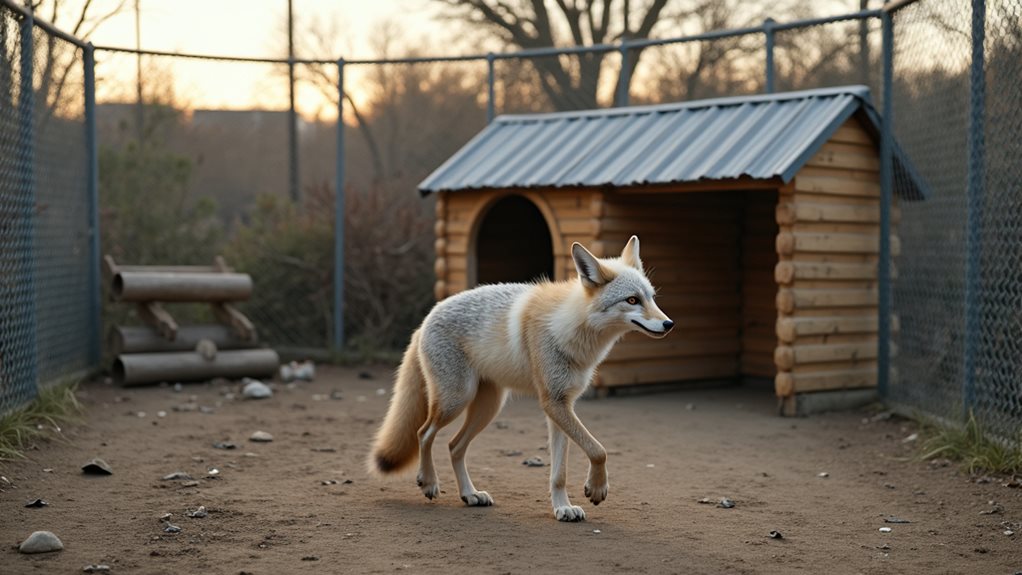
Providing adequate housing for a fox demands considerably more space and specialized construction than typical pet enclosures.
You’ll need to create an outdoor area of at least 100 square feet per fox, with secure fencing that extends underground to prevent these clever diggers from escaping. The housing options should include both sheltered areas for protection from weather and open spaces that satisfy their natural roaming instincts.
Unlike dogs or cats that adapt to home living, foxes require dedicated enclosures with enrichment features like climbing structures, digging boxes, and hiding spots.
You can’t simply let them roam your house—they’ll destroy furniture, mark territory, and possibly escape. Their space requirements reflect their wild nature, not domestic preferences. Additionally, their high energy levels necessitate ample room for running and exploring to prevent destructive behavior.
Before considering a fox, ask yourself: can you really provide the extensive, secure environment these animals need to thrive?
Diet and Nutritional Needs
Beyond the spacious enclosures and specialized housing, a fox’s diet presents another considerable challenge for potential owners. Unlike cats and dogs, foxes require carefully balanced nutrition that mimics their wild eating patterns.
You’ll need to provide a diverse menu of whole prey items, quality meats, eggs, fruits, and vegetables to achieve proper fox diets. Maintaining nutritional balance isn’t as simple as buying commercial pet food.
Foxes need specific ratios of protein, fat, and vitamins that vary seasonally. You’ll find yourself researching taurine levels and calcium-phosphorus ratios – concepts most pet owners never encounter!
Many fox owners spend hours preparing meals and sourcing ingredients like mice, quail, and specialized supplements. Don’t expect to toss kibble in a bowl once daily.
Feeding a fox properly is time-consuming, expensive, and requires considerable nutritional knowledge that most veterinarians can’t provide. Consultation with a veterinarian can help ensure you’re meeting your fox’s dietary needs effectively.
Health Concerns and Veterinary Care
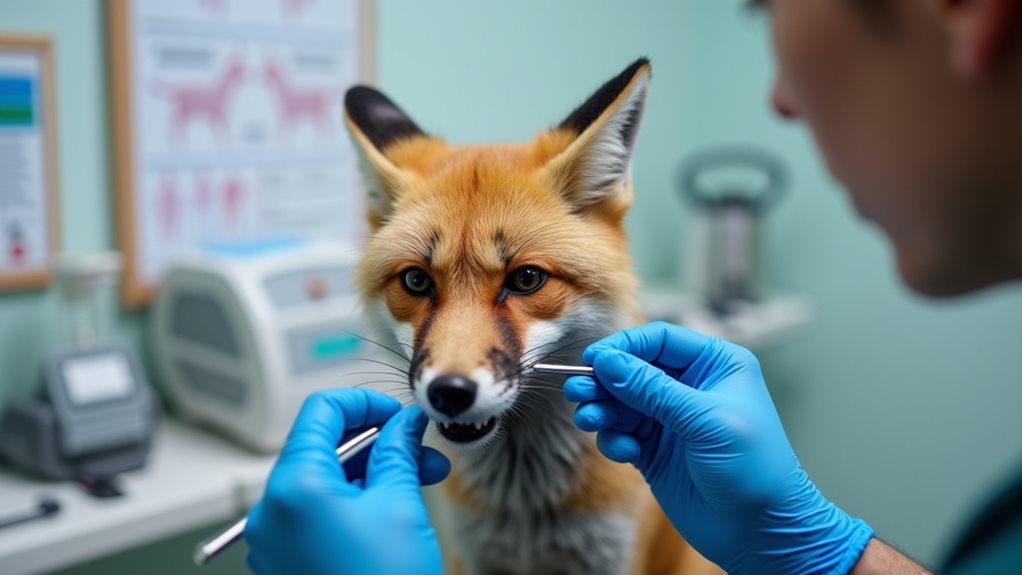
Finding appropriate veterinary care for a fox presents one of the biggest hurdles you’ll face as an exotic pet owner. Most small animal vets simply don’t have experience treating foxes, and you’ll need to locate someone specializing in exotic animals. This can be both expensive and geographically challenging.
Foxes have specific vaccine requirements that differ from dogs and cats, including specialized rabies protocols that many vets aren’t familiar with.
They’re also prone to common ailments like parasites, dental issues, and species-specific diseases that require specialized knowledge to treat effectively.
Without proper veterinary support, your fox’s health could deteriorate quickly.
The Social Needs of Captive Foxes
Unlike domestic pets that have evolved alongside humans for thousands of years, foxes require complex social environments that are nearly impossible to replicate in home settings.
In the wild, foxes engage in varied social interactions with their own kind, from playing and grooming to establishing hierarchies—behaviors you simply can’t substitute with human companionship.
You’ll need to provide constant enrichment activities to prevent destructive behaviors and depression. This means creating elaborate play areas, providing puzzle toys, and dedicating several hours daily to interaction.
Without proper stimulation, your fox might become anxious or aggressive. Remember, even a well-cared-for fox isn’t experiencing the rich social life it’s genetically programmed to need. In fact, their natural parenting roles contribute significantly to their emotional well-being.
While they may bond with you, they’ll always miss the complex social dynamics only other foxes can provide.
Comparing Foxes to Traditional Pets
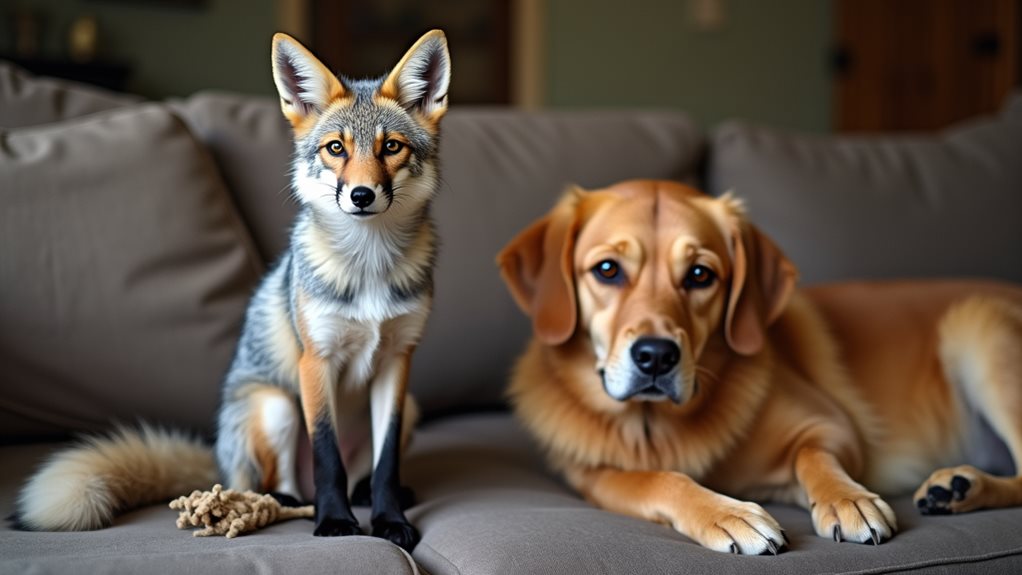
How do foxes truly measure up against the dogs and cats that fill our homes? When considering fox temperament, you’ll find they’re fundamentally different from your golden retriever or tabby cat.
Unlike dogs, which have evolved alongside humans for thousands of years, foxes retain their wild instincts and independence. They won’t enthusiastically fetch your slippers or cuddle on command like many domesticated pets.
In any pet comparison, it’s worth noting that foxes are escape artists with boundless energy and intelligence that often manifests as mischief. They’ll mark territory with strong-smelling urine and may never fully bond with you the way a dog would.
While cats are known for independence, even they typically adapt better to home life than foxes. Your traditional pets have been selectively bred for companionship; foxes simply haven’t had that evolutionary expedition. Furthermore, unlike dogs, which are adapted for socialization, foxes are primarily solitary and may struggle to form strong bonds with humans.
Ethical Considerations of Keeping Wild Animals
When you bring a fox into your home, you’re not merely adopting a pet—you’re making a decision with far-reaching ethical implications.
Wildlife conservation experts often raise concerns about removing foxes from their natural habitats, potentially disrupting delicate ecosystems. You’ll need to reflect on whether your desire for an exotic pet outweighs these environmental impacts.
Environmental conservation begins when we question whether our desire for exotic pets justifies ecosystem disruption.
Animal welfare is another significant factor. Foxes have complex needs that even the most dedicated owners struggle to meet.
They’re hardwired with instincts for roaming, hunting, and social interactions with their own kind. Even hand-raised foxes retain these wild tendencies.
Before pursuing a fox as a pet, ask yourself: Is it fair to confine a wild animal for your enjoyment?
Could your resources support wildlife rehabilitation centers instead? These tough questions deserve honest reflection. Additionally, the domesticated silver fox’s playful nature signifies their innate social and environmental needs that must be considered in your decision-making process.
Final Thoughts
You’ve seen the challenges foxes bring – legal hurdles, specialized care, and wild instincts that never truly fade. Like trying to catch moonlight in a jar, domesticating these creatures often leads to disappointment. While their beauty is undeniable, most people aren’t equipped for their complex needs. Consider supporting wildlife sanctuaries instead, where you can admire these magnificent animals without compromising their welfare or your peace of mind.