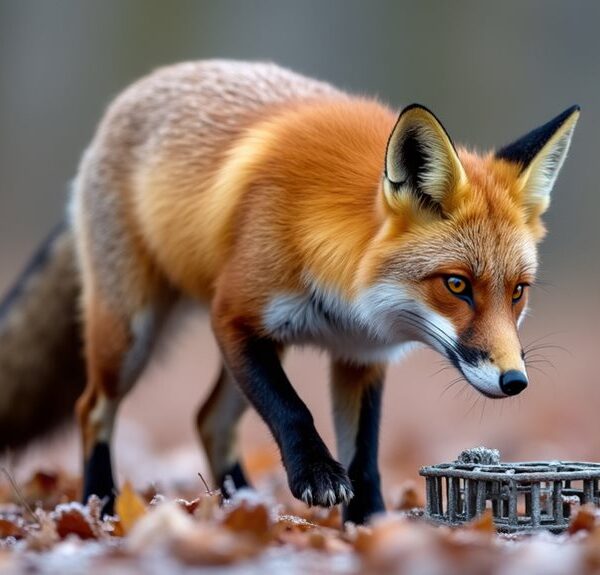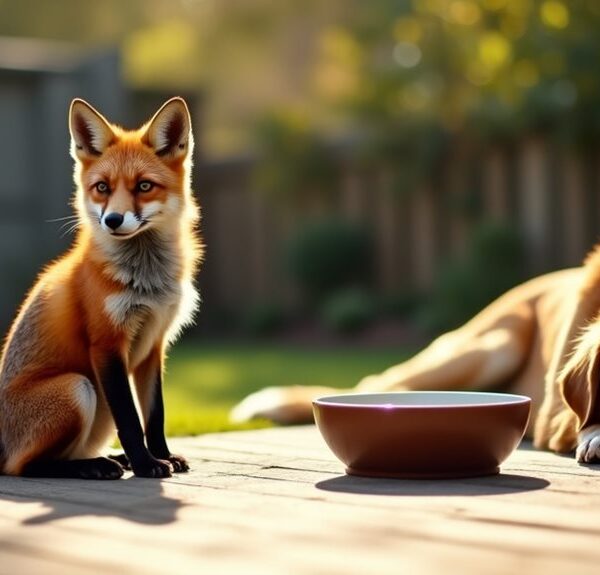

A wildlife rehabilitator in Arkansas recently received her fifteenth call of the year from someone who’d purchased a “domesticated” fox online, only to discover their landlord, local ordinances, and the fox’s nocturnal screaming habits made ownership impossible. The caller faced potential fines, the fox faced an uncertain future, and the situation highlighted a growing disconnect: is it legal to own a fox remains one of the most misunderstood questions in exotic pet law, with regulations varying dramatically not just between countries, but between neighboring counties.
The fascination with keeping foxes stems partly from their undeniable charisma, those amber eyes, the bushy tail, the playful pouncing behavior, and partly from viral videos showing seemingly tame foxes behaving like affectionate dogs. Yet vulpine behaviour in captivity differs profoundly from the adaptable, independent nature that allows wild foxes to thrive everywhere from Arctic tundra to city centers. Understanding the legal landscape requires examining not just statutes, but the biological reality behind them.
Key Takeaways
- Fox ownership legality varies dramatically by jurisdiction, with most U.S. states prohibiting or heavily restricting private ownership of native fox species
- Permits, licenses, and facility requirements often make legal fox ownership impractical for average households, even where technically allowed
- Domesticated fox programs (like the Russian experiment) produce animals with different temperaments, but these remain rare and expensive
- International regulations range from outright bans (UK, Australia) to species-specific allowances (some Canadian provinces, select European nations)
- Enforcement and penalties include substantial fines, animal confiscation, and potential criminal charges for illegal possession
Understanding Fox Ownership Laws: The Legal Framework
Wildlife law in most jurisdictions treats foxes as wild animals rather than domesticated pets, placing them in the same regulatory category as raccoons, coyotes, and other native carnivores. This classification stems from biological reality: despite thousands of years of human-fox proximity, foxes have never undergone the systematic domestication process that transformed wolves into dogs or wildcats into house cats.
The legal framework typically operates on three levels:
Federal/National regulations establish baseline protections for wildlife, particularly endangered species. In the United States, the Lacey Act prohibits trafficking in illegally taken wildlife across state lines, while the Endangered Species Act protects specific fox species like the Sierra Nevada red fox. These federal laws don’t directly address pet ownership but create the foundation for state regulations.
State/Provincial laws form the primary regulatory layer. Most states categorize foxes as either “prohibited wildlife” (cannot be owned under any circumstances), “regulated wildlife” (requiring permits and meeting specific criteria), or fall into gray areas where local ordinances dominate. Arkansas, Florida, Indiana, Kentucky, Michigan, Missouri, Nebraska, New York, North Dakota, Ohio, Oklahoma, South Dakota, Utah, Tennessee, and Wyoming generally prohibit private fox ownership. States like Arkansas and Florida allow ownership of non-native species (like fennec foxes) while banning native red or gray foxes.
Local ordinances often impose stricter requirements than state law. A state might permit fox ownership with proper licensing, but city zoning codes frequently prohibit “exotic animals” or “wild carnivores” within city limits. Homeowners’ associations add another regulatory layer, with covenants that ban non-traditional pets regardless of legal status.
For those curious about the behavioral differences that inform these regulations, our guide on how countryside foxes differ from urban foxes explores the adaptability that makes foxes successful wildlife but challenging captives.
Is It Legal to Own a Fox in the United States? State-by-State Breakdown
The question “is it legal to own a fox” in America demands a state-specific answer. Here’s the current landscape as of 2026:
States Where Fox Ownership Is Generally Prohibited
The majority of U.S. states ban private fox ownership outright or make it effectively impossible through restrictive requirements:
- California: Completely prohibits fox ownership, including fennec foxes, without exception for private individuals
- Texas: Bans native fox species; fennec foxes require permits but face local restrictions
- New York: Prohibits all fox species as “dangerous wildlife”
- Georgia: Native foxes banned; non-native species require permits
- Pennsylvania: Prohibits fox ownership under exotic animal regulations
States With Permit-Based Systems
Several states allow fox ownership if applicants meet stringent requirements:
Arkansas permits non-native fox species (fennec, arctic) with an exotic pet permit, requiring proof of legal acquisition, veterinary care plans, and adequate facilities. The permit costs approximately $50 annually, but facility inspections ensure enclosures meet minimum size requirements (typically 100+ square feet for a single fox).
Florida distinguishes between native and non-native species. Fennec foxes fall under Class III wildlife, requiring a $50 permit and basic facility standards. Red foxes, being native, require Class II permits intended for exhibitors and researchers, effectively prohibiting private pet ownership.
Indiana allows fox ownership with a permit, but county and municipal ordinances frequently override state law. Indianapolis, for example, bans foxes within city limits despite state-level permission.
Michigan requires permits for fox ownership, with regulations varying by species. The permit process includes facility inspections, proof of liability insurance, and veterinary care documentation.
States With Ambiguous or Evolving Regulations
Some states lack clear statutes, leaving fox ownership in legal gray areas:
Montana doesn’t explicitly address fox ownership in state statutes, deferring to county regulations. Some counties permit ownership, others prohibit it, creating a patchwork of local rules.
North Carolina allows fox ownership without state-level permits, but many municipalities have enacted local bans. The state’s hands-off approach creates confusion for potential owners.
The complexity of these regulations underscores why understanding whether you can keep a fox as a pet requires examining both legal and practical considerations.
The Permit Application Process
Where permits are available, the application process typically requires:
- Proof of legal acquisition: Documentation showing the fox wasn’t taken from the wild
- Facility plans: Detailed enclosure specifications, including dimensions, fencing type, shelter provisions
- Veterinary relationship: Letter from a licensed veterinarian willing to provide care
- Liability insurance: Coverage ranging from $100,000 to $1,000,000 depending on jurisdiction
- Background check: Some states screen for animal welfare violations
- Application fees: Ranging from $50 to $500 annually
Inspection requirements vary, but most jurisdictions mandate pre-approval facility checks and periodic renewals. Violations can result in permit revocation, animal confiscation, and fines exceeding $1,000.
International Fox Ownership Laws: A Global Perspective
United Kingdom 🇬🇧
The UK maintains strict prohibitions on keeping foxes as pets under the Wildlife and Countryside Act 1981. Red foxes, being native wildlife, cannot be kept without a special license granted only for conservation, research, or educational purposes. The law recognizes that foxes retain wild instincts despite generations of human proximity, a reality reinforced by the thriving population of urban foxes in British cities.
Private individuals cannot obtain licenses for pet ownership. Violations carry penalties including unlimited fines and up to six months imprisonment. The law extends to fox cubs; even rescuing and raising an orphaned kit requires proper wildlife rehabilitation credentials.
Canada 🇨🇦
Canadian regulations vary by province:
British Columbia prohibits keeping native red foxes but allows non-native species like fennec foxes with proper permits. The permit system requires facility inspections and annual renewals.
Ontario bans fox ownership under the Fish and Wildlife Conservation Act, treating foxes as wildlife that cannot be kept as pets regardless of species or origin.
Alberta permits fox ownership with an exotic animal license, requiring proof of adequate facilities and veterinary care. The province distinguishes between native and non-native species, with stricter requirements for red foxes.
Quebec allows fox ownership with permits, but municipal bylaws frequently impose additional restrictions or outright bans in urban areas.
Australia 🇦🇺
Australia prohibits fox ownership nationwide. Red foxes, introduced in the 19th century for hunting, became one of the continent’s most destructive invasive species, devastating native wildlife populations. The Environment Protection and Biodiversity Conservation Act 1999 lists foxes as a key threatening process, making their possession illegal across all states and territories.
Penalties for illegal fox ownership include fines exceeding $10,000 AUD and potential imprisonment. The strict prohibition reflects Australia’s hard-learned lessons about introduced predators.
European Union 🇪🇺
EU member states maintain individual regulations:
Germany allows fox ownership with permits in most states (Länder), requiring proof of expertise in wildlife care and adequate facilities. Some states mandate passing a knowledge exam covering fox biology and welfare.
France prohibits keeping native red foxes but permits non-native species with departmental authorization. The process involves facility inspections and proof of legal acquisition.
Netherlands bans fox ownership under wildlife protection laws, treating foxes as protected native fauna that cannot be kept privately.
Spain varies by autonomous community, with some regions permitting fox ownership with licenses while others maintain blanket prohibitions.
Japan 🇯🇵
Japan allows fox ownership without specific national restrictions, though local ordinances may impose requirements. The country’s cultural relationship with foxes (kitsune) creates more permissive attitudes, but practical challenges, including limited veterinary expertise and housing constraints, make fox ownership rare.
Russia 🇷🇺
Russia permits fox ownership, partly due to the famous Novosibirsk domestication experiment that began in 1959. The Institute of Cytology and Genetics breeds “domesticated” foxes exhibiting dog-like traits after decades of selective breeding for tameness. These foxes, available for purchase internationally, represent the closest thing to truly domesticated foxes, though they remain expensive (often $8,000-$10,000) and retain some wild behaviors.
Understanding fox species identification becomes crucial when navigating international regulations, as laws often distinguish between native and non-native species.
Why Fox Ownership Remains Restricted: The Biological Reality
Legal restrictions reflect biological truths about vulpine behaviour that make foxes fundamentally different from domesticated pets:
Scent Marking and Territorial Behavior
Foxes possess scent glands that produce a pungent, musky odor used for territorial marking. Unlike dogs, which can be trained to eliminate in designated areas, foxes instinctively mark their territory throughout their living space. The smell, often compared to skunk spray, permeates furniture, carpets, and walls, proving nearly impossible to eliminate.
During mating season (typically January through March), scent marking intensifies. Males spray urine on vertical surfaces, while females mark den sites. This biological imperative cannot be trained away; it’s hardwired into fox behavior patterns developed over millions of years.
Nocturnal Habits and Vocalizations
Foxes are crepuscular and nocturnal, most active during dawn, dusk, and nighttime hours. Their vocalizations include the infamous “vixen’s scream”, a blood-curdling shriek used during mating season, along with barks, gekkering (a stuttering chatter), and whines. These sounds, perfectly adapted for communication across their natural territories, become neighborhood disturbances in residential settings.
Captive foxes maintain these nocturnal patterns, creating conflicts with human schedules. Their nighttime activity includes digging, chewing, and vocalizing, behaviors that make apartment or suburban living problematic.
Dietary Requirements
Wild foxes are opportunistic omnivores, consuming everything from small mammals and birds to insects, berries, and carrion. Their diet varies seasonally and geographically, providing nutritional diversity difficult to replicate in captivity.
Captive foxes require specialized diets including whole prey items (mice, chicks), high-quality protein sources, and supplements to prevent nutritional deficiencies. Commercial dog or cat food lacks the taurine, calcium ratios, and nutrient profiles foxes need. Improper diet leads to metabolic bone disease, dental problems, and shortened lifespans.
Destructive Behavior and Enrichment Needs
Foxes are intelligent, curious animals that require constant mental stimulation. In the wild, they spend hours hunting, exploring territories spanning several square miles, and engaging in complex social behaviors. Captive foxes denied adequate enrichment develop stereotypic behaviors: repetitive pacing, excessive digging, self-mutilation.
Their digging instinct, essential for creating den sites and caching food, manifests destructively in captivity. Foxes excavate under fences, destroy landscaping, and tunnel through flooring. Their teeth and jaws, adapted for tearing meat and cracking bones, make short work of furniture, baseboards, and household items.
Limited Veterinary Care
Few veterinarians possess expertise in fox medicine. Foxes metabolize medications differently than dogs, making standard treatments potentially dangerous. Anesthesia protocols, vaccine schedules, and parasite prevention require species-specific knowledge most veterinary practices lack.
This care gap means routine procedures become complicated, emergency care may be unavailable, and owners face limited options when health issues arise. The stress of veterinary visits, foxes don’t tolerate handling like domesticated animals, compounds these challenges.
For those interested in the behavioral nuances that make foxes unique, our article on fox temperament and behavior provides deeper insight into their wild nature.
The Domesticated Fox Exception: Understanding the Russian Experiment
The Soviet/Russian fox domestication experiment, begun by geneticist Dmitry Belyayev in 1959, represents the only systematic attempt to domesticate foxes. Researchers at the Institute of Cytology and Genetics in Novosibirsk selectively bred silver foxes (a color morph of red foxes) for tameness, choosing only the calmest, most human-tolerant individuals for breeding.
After more than 60 generations, the experiment produced foxes exhibiting remarkable changes:
- Behavioral shifts: Seeking human attention, wagging tails, whining for interaction
- Physical changes: Floppy ears, curled tails, piebald coat patterns, shortened snouts
- Hormonal differences: Altered stress hormone levels, extended socialization windows
- Neoteny: Retention of juvenile traits into adulthood
These “domesticated” foxes differ significantly from wild foxes, showing dog-like attachment behaviors and reduced fear responses. However, they remain distinct from fully domesticated species:
They still scent mark, though less intensely than wild foxes. They retain strong prey drive, making them dangerous around small pets. They require specialized care beyond typical pet requirements. They’re expensive and rare, with waiting lists and costs exceeding $8,000.
Importantly, these foxes are available only through the Russian breeding program and authorized distributors. “Domesticated fox” claims from other sources typically refer to hand-raised wild foxes, which retain full wild instincts despite human socialization.
The experiment demonstrates that domestication requires sustained selective breeding over many generations, not simply raising wild animals in captivity. This distinction underlies why most jurisdictions treat even hand-raised foxes as wildlife rather than pets.
Alternatives to Fox Ownership: Ethical Wildlife Appreciation
For those captivated by foxes, numerous alternatives provide meaningful engagement without the legal and ethical complications of ownership:
Wildlife Photography and Observation
Foxes inhabit diverse environments, from wilderness areas to urban neighborhoods. Patient observation in natural settings offers insights into authentic vulpine behaviour impossible to witness in captivity. Red fox range extends across North America, Europe, and Asia, making wild fox encounters accessible to many.
Wildlife photography develops skills in patience, field craft, and animal behavior interpretation. Unlike captive observation, wild foxes display natural hunting techniques, social interactions during mating season, and seasonal adaptations.
Supporting Fox Conservation and Research
Organizations worldwide work to protect fox species and their habitats. Volunteer opportunities include:
- Habitat restoration projects improving den sites and prey populations
- Citizen science programs tracking fox populations and distribution
- Educational outreach teaching communities about coexisting with urban foxes
- Rescue and rehabilitation support assisting licensed wildlife rehabilitators
Financial support for conservation organizations provides meaningful impact without requiring direct animal contact.
Educational Programs and Sanctuaries
Accredited sanctuaries and educational facilities house foxes that cannot survive in the wild, animals injured, orphaned, or illegally kept as pets then surrendered. These facilities offer:
- Guided tours with expert naturalists explaining fox biology and behavior
- Volunteer programs providing hands-on experience with animal care under professional supervision
- Educational presentations bringing fox ambassadors to schools and community events
These interactions occur within ethical frameworks prioritizing animal welfare while satisfying human curiosity about these remarkable animals.
Domestic Alternatives
For those seeking fox-like traits in a pet, certain dog breeds offer similar characteristics within a domesticated framework:
Shiba Inus share physical resemblance, independent temperaments, and cat-like grooming behaviors. Finnish Spitz exhibit fox-like appearance and vocalizations. Schipperkes possess similar size, curiosity, and energy levels.
These breeds provide companionship without the legal complications, welfare concerns, and practical challenges of fox ownership.
What to Do If You Encounter an Orphaned or Injured Fox
Finding a fox kit or injured adult creates an impulse to help, but well-intentioned intervention often causes more harm than good. Here’s the appropriate response:
Assess the Situation
For kits: Mother foxes often leave kits alone while hunting, returning periodically to nurse. A kit sitting quietly, eyes closed, without visible injuries likely doesn’t need intervention. Monitor from a distance for several hours before assuming abandonment.
For adults: Injured foxes may appear approachable due to shock or illness, but they remain wild animals capable of defensive biting. Maintain distance and never attempt to handle an adult fox without professional guidance.
Our guide on what to do if you see a red fox in your yard provides detailed protocols for various encounter scenarios.
Contact Licensed Wildlife Rehabilitators
Every state and province maintains networks of licensed wildlife rehabilitators trained in fox care. These professionals possess:
- Legal permits allowing wildlife possession for rehabilitation purposes
- Medical expertise for treating injuries and illnesses
- Proper facilities meeting species-specific housing requirements
- Release protocols ensuring animals return to appropriate habitats
Contact information is available through state wildlife agencies, veterinary offices, and online directories like the Animal Help Now database.
Never Attempt to Raise a Fox Kit
Hand-raising wildlife creates imprinted animals that cannot survive in the wild. Improper diet causes developmental problems, lack of socialization prevents normal behavior development, and human habituation makes release impossible. Additionally, possessing wildlife without proper permits violates state and federal laws, regardless of good intentions.
Recognizing signs of a sick fox helps determine when professional intervention is genuinely needed versus when natural behavior is being misinterpreted as distress.
Frequently Asked Questions
Can I legally own a fennec fox?
Fennec fox legality varies by jurisdiction. These small North African foxes are non-native to most regions, making them legal in some states (Arkansas, Florida, Indiana, Kentucky, Missouri, North Carolina, Ohio, Oklahoma, South Dakota, Tennessee) with proper permits. However, they still require specialized care, produce strong odors, and exhibit many wild behaviors. Always verify current state and local regulations before considering acquisition.
What’s the difference between a domesticated fox and a tame fox?
A tame fox is a wild animal habituated to human presence through hand-raising or conditioning, it retains full wild instincts and behaviors. A domesticated fox comes from the Russian breeding program, selectively bred for tameness over 60+ generations, exhibiting genetic and behavioral changes. Tame foxes remain wild animals legally and behaviorally; domesticated foxes are rare, expensive, and still require specialized care beyond typical pets.
How much does it cost to legally own a fox where permitted?
Initial costs include purchase price ($500-$8,000+ depending on species and source), permits ($50-$500), facility construction ($2,000-$10,000 for proper enclosures), and liability insurance ($500-$2,000 annually). Ongoing expenses include specialized diet ($100-$200 monthly), veterinary care (difficult to estimate due to limited availability), and enrichment supplies. Total first-year costs often exceed $15,000, with annual maintenance of $3,000-$5,000.
Are foxes dangerous to humans?
Healthy wild foxes typically avoid humans and pose minimal danger. However, foxes can carry rabies, and any wild animal may bite when threatened or cornered. Captive foxes, even hand-raised individuals, retain predatory instincts and can inflict serious bites. They’re particularly dangerous around children, who may not recognize warning signals. For more details, see our article on whether red foxes are dangerous to people.
What happens if I’m caught with an illegal fox?
Penalties vary by jurisdiction but typically include immediate animal confiscation, fines ranging from $500 to $10,000+, and potential criminal charges (misdemeanor or felony depending on circumstances). The confiscated fox faces uncertain outcomes, euthanasia if deemed non-releasable, transfer to licensed facilities if space is available, or lifetime captivity in sanctuary settings. Repeat offenses or aggravating factors (animal welfare violations, trafficking) carry enhanced penalties including imprisonment.
Can foxes be litter trained like cats?
Foxes can learn to use litter boxes for defecation with patient training, but they will still scent mark throughout their territory using urine. This marking behavior is instinctive and cannot be eliminated through training. The pungent odor from scent glands makes indoor fox keeping extremely challenging regardless of litter training success.
Conclusion
The question “is it legal to own a fox” reveals a complex intersection of wildlife law, animal welfare science, and human fascination with these charismatic carnivores. While regulations vary dramatically, from outright prohibition in most jurisdictions to permit-based systems in select states, the underlying biological reality remains constant: foxes are wild animals whose behavioral needs, social requirements, and natural instincts make them fundamentally unsuited to life as household pets.
Legal frameworks reflect decades of wildlife management experience demonstrating that captive foxes suffer in typical domestic settings, while owners face overwhelming practical challenges from scent marking and nocturnal vocalizations to limited veterinary care and destructive behaviors. Even in jurisdictions permitting fox ownership, the permit requirements, facility standards, and ongoing costs place legal ownership beyond most people’s practical reach.
For those captivated by foxes, the path forward lies not in ownership but in appreciation: observing wild foxes in natural habitats, supporting conservation organizations, volunteering with licensed sanctuaries, and educating others about coexisting with these adaptable predators. These alternatives provide meaningful engagement while respecting the wild nature that makes foxes remarkable.
Before considering fox ownership in any jurisdiction, verify current state and local regulations, honestly assess your ability to meet their complex needs, and consider whether your fascination might be better served through ethical alternatives that prioritize animal welfare. The most responsible answer to “is it legal to own a fox” often isn’t about legality at all, it’s about recognizing that some wild things are meant to remain wild.
For those continuing to explore fox behavior and biology, our comprehensive resources on fox species and their habitats and fox family social structures offer deeper insights into the lives of these fascinating animals in their natural contexts.