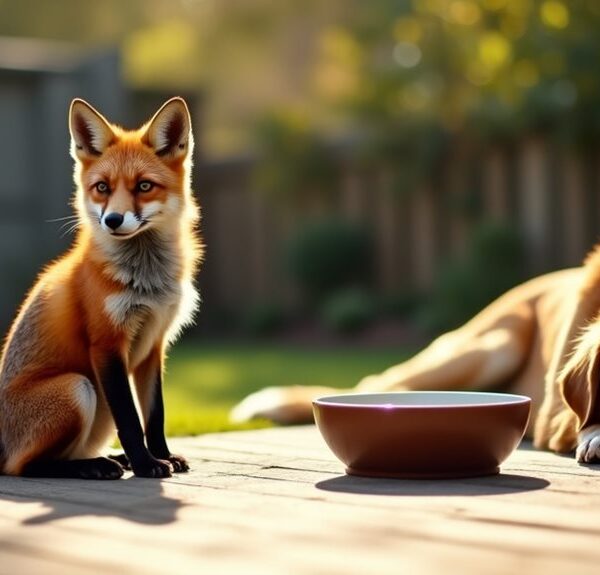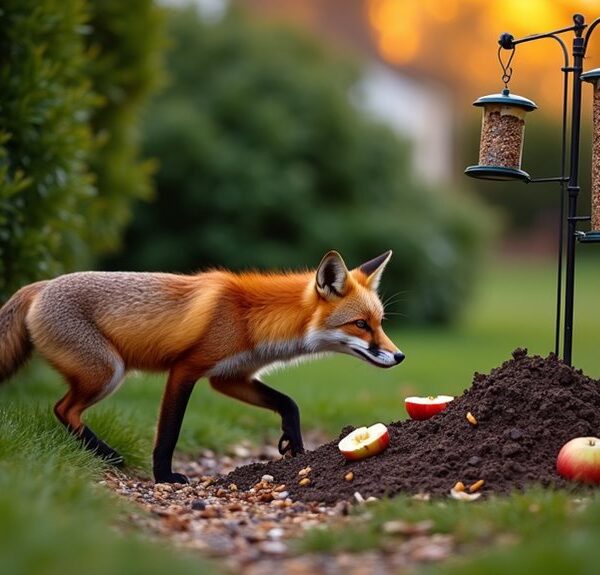

More than 40 organised fox watching events 2026 are scheduled across North America and Europe this year, triple the number from just five years ago. This surge reflects growing public fascination with vulpine behaviour and a shift toward ethical wildlife observation that prioritises the animal’s wellbeing over fleeting encounters.
Fox watching events 2026 offer something traditional wildlife tourism often misses: patient observation of natural behaviour in authentic habitat. Rather than guaranteed sightings or controlled environments, these events teach participants to read landscapes, interpret track identification clues, and understand the rhythms that govern when and where foxes appear. The reward isn’t just seeing a fox, it’s understanding one.
This guide covers the year’s most significant fox-focused events, from dawn watches in red fox range territories to multi-day festivals celebrating vulpine ecology. Whether you’re a seasoned naturalist or a suburban resident curious about the urban foxes denning near your home, these gatherings provide structured opportunities to deepen your knowledge alongside experts and fellow enthusiasts.
Key Takeaways
- Over 40 dedicated fox watching events are scheduled globally in 2026, with concentrations in the UK, Pacific Northwest, and Great Lakes regions
- Spring and autumn offer optimal viewing conditions during mating season and kit dispersal periods respectively
- Ethical observation protocols emphasise distance, silence, and minimal habitat disturbance to protect fox welfare
- Wildlife festivals combine field observation with educational workshops on track identification, vocalisations, and den site ecology
- Photography-focused events teach techniques specific to nocturnal habits and the challenges of capturing fast, wary subjects
Understanding Fox Watching Events 2026: What Makes Them Different
Fox watching differs fundamentally from observing larger, diurnal wildlife. Foxes are crepuscular and nocturnal, meaning most activity occurs during twilight hours and darkness. Their wariness of humans, honed over centuries of persecution, makes close observation challenging without proper technique and patience.
Organised events address these challenges through expert guidance. Naturalists familiar with local fox populations identify active den sites, regular hunting routes, and seasonal behaviour patterns. Participants learn to position themselves downwind, remain motionless during critical observation windows, and recognise the subtle signs, a flick of russet tail, the distinctive yip of a vixen calling kits, that indicate fox presence before visual confirmation.
The Ethics of Fox Observation
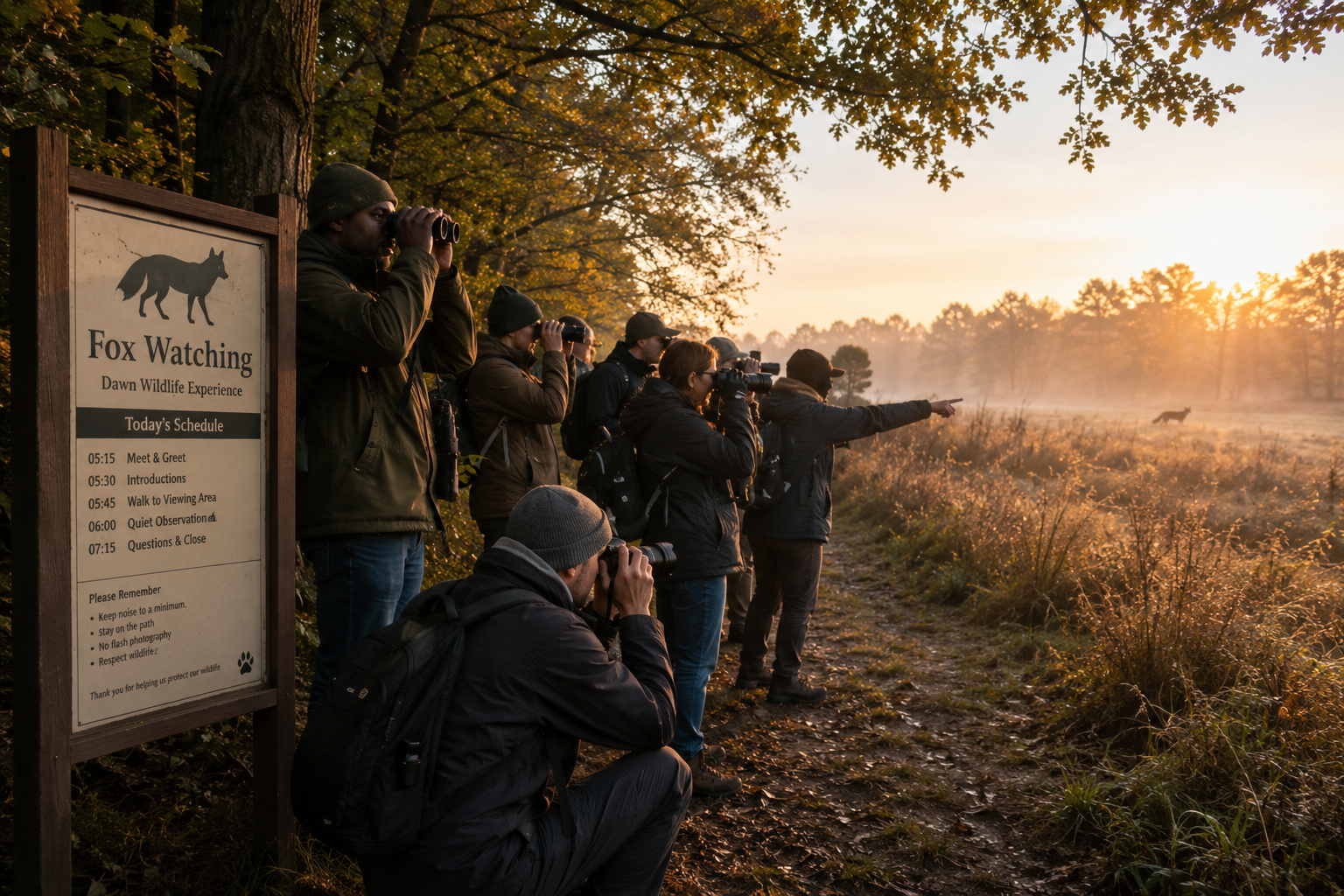
Responsible fox watching events 2026 follow strict ethical guidelines. Observers maintain minimum distances of 50 metres from known den sites, particularly during breeding season when disturbance can cause den abandonment. No baiting, calling, or artificial attractants are used. Flash photography is prohibited, and even infrared illumination is used sparingly.
These protocols protect not just individual foxes but the integrity of their behaviour. A fox that associates humans with food becomes a nuisance animal; one that’s repeatedly flushed from daytime rest burns precious calories and may abandon otherwise suitable habitat. Quality events prioritise the fox’s welfare over participant satisfaction, a philosophy that paradoxically leads to more authentic, memorable encounters.
Major Fox Watching Events 2026 Across North America
Pacific Northwest Red Fox Expeditions (March-April)
The Cascade Mountains host several subspecies of red fox, including the rare Sierra Nevada red fox. Spring events in Washington and Oregon focus on late-winter mating season observations, when foxes are most vocal and visible. The Methow Valley Fox Watch (March 15-17) offers guided dawn and dusk sessions led by wildlife biologists tracking local populations.
Participants learn to distinguish the vocalizations of different fox species, the sharp triple bark of territorial males, the eerie scream of receptive females, the high-pitched whine of kits. Track identification workshops teach the difference between canid prints: the compact, diamond-shaped pad of fox tracks versus the more oval impression left by coyotes.
Great Lakes Urban Fox Festival (June 8-10)
Chicago’s Lincoln Park hosts this unique urban wildlife festival celebrating the city’s thriving fox population. Unlike wilderness events, this festival examines how foxes adapt to metropolitan environments, denning beneath garden sheds, hunting rodents in manicured parks, navigating traffic patterns during nocturnal foraging.
Educational sessions cover coexistence strategies for residents encountering foxes in their neighbourhoods. Topics include securing garbage to prevent habituation, protecting small pets during kit-rearing season, and recognising signs of a sick fox that may require wildlife rehabilitation intervention. Evening walking tours explore known urban fox territories with minimal-impact observation techniques.
Adirondack Fox Ecology Weekend (September 21-23)
Autumn dispersal season, when young foxes leave their natal territories to establish their own ranges, provides excellent observation opportunities. This three-day event in upstate New York combines field observation with academic presentations on fox population dynamics, prey relationships, and habitat requirements.
Workshops cover advanced topics: interpreting scat to understand seasonal diet variations, identifying den sites by entrance dimensions and surrounding sign, and using camera traps ethically for personal wildlife documentation. Participants interested in wildlife photography learn techniques specific to foxes’ speed, wariness, and low-light activity patterns.
European Fox Watching Events and Wildlife Festivals 2026
British Fox Fortnight (May 1-14)
The UK’s most comprehensive fox celebration spans two weeks across England, Scotland, and Wales. Coordinated events include countryside dawn watches, urban fox surveys, and educational programmes in schools and community centres. The Forestry Commission opens select sites for guided nocturnal observation, providing rare access to woodland habitats during peak kit activity.
The Bristol Urban Fox Project hosts nightly walks through neighbourhoods with established fox populations, demonstrating how urban foxes navigate human-dominated landscapes. Participants observe foxes exploiting anthropogenic food sources, using railway embankments as movement corridors, and raising kits in surprisingly close proximity to human activity.
While focused primarily on the endangered Arctic fox, this Norwegian festival includes sessions on red fox range expansion into Arctic territories, a climate-driven phenomenon with significant conservation implications. Field trips to mountain plateaus offer opportunities to observe both species and understand the competitive dynamics reshaping northern ecosystems.
Conservation workshops address the complex ethics of red fox management in Arctic fox habitat. Unlike typical fox watching events 2026 that celebrate vulpine presence, these sessions grapple with scenarios where protecting one species requires controlling another, a nuanced conversation rarely addressed in wildlife tourism.
German Fox and Badger Ecology Symposium (October 5-7)
This academic-meets-public event in Bavaria examines the ecological relationships between foxes and European badgers, which often share den sites in complex underground systems called setts. Multi-day observation sessions at known shared dens reveal the surprising tolerance between these species, with foxes occupying separate chambers within badger-excavated systems.
Photography workshops emphasise the technical challenges of capturing nocturnal wildlife without disturbance. Instructors demonstrate telephoto lens techniques specific to low-light conditions, the importance of silent shutter modes, and ethical considerations around den site photography that could reveal locations to less scrupulous observers.
What to Expect at Fox Watching Events: A Typical Schedule
Most fox watching events 2026 follow a similar structure designed around vulpine activity patterns. Understanding the format helps participants prepare appropriately and set realistic expectations.
Pre-dawn briefing (5:00-5:30 AM): Guides review the day’s observation sites, weather conditions, and recent fox activity. Participants receive instruction on positioning, silence protocols, and hand signals for communication during observation periods.
Dawn observation session (5:30-8:00 AM): The primary viewing window, when foxes return from nocturnal hunting to den sites. Observers position themselves at predetermined locations offering sight lines to active dens or regular travel routes. This period requires absolute stillness and silence, even whispered conversation can alert foxes to human presence.
Field sign workshop (9:00-11:00 AM): After foxes retreat to daytime rest, participants learn track identification, scat analysis, and den site recognition. Guides demonstrate how to age tracks, interpret gait patterns, and distinguish fox sign from other canids. This hands-on education transforms passive observation into active wildlife detective work.
Midday break and educational presentations (11:00 AM-3:00 PM): Indoor sessions cover fox biology, behaviour, and conservation. Topics vary by event but often include mating season dynamics, kit development, territorial behaviour, and regional population trends. Some events screen wildlife films or host guest speakers from research institutions.
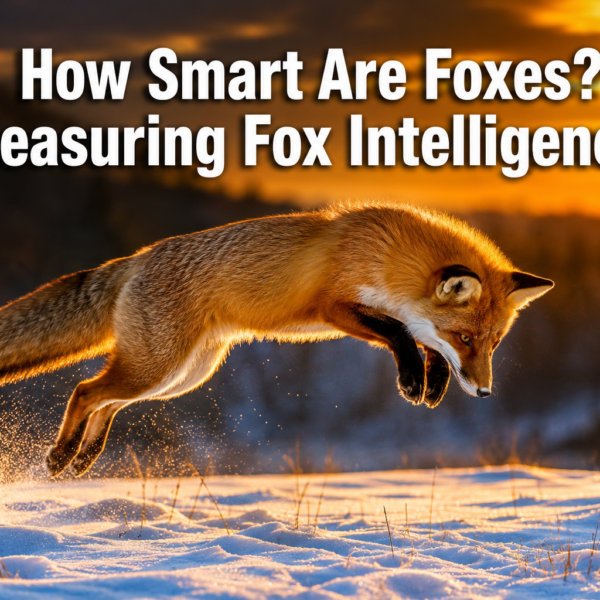
Dusk observation session (6:00-8:30 PM): A second viewing opportunity as foxes emerge for evening hunting. This session often proves more productive than dawn watches, as foxes are beginning rather than ending activity periods. Participants observe hunting techniques, social interactions between family members, and the distinctive mousing leap foxes use to capture prey beneath snow or grass.
Night walk (optional, 9:00-11:00 PM): Some events offer guided nocturnal walks using red-filtered lights that minimally disturb fox night vision. These walks focus on vocalisations and eye-shine detection rather than detailed observation, providing insight into the sensory world foxes inhabit after dark.
Preparing for Fox Watching Events 2026: Essential Gear and Skills
Clothing and Equipment
Layered, neutral-coloured clothing in earth tones (brown, grey, olive) helps observers blend into surroundings. Avoid bright colours, white, and high-contrast patterns. Scent-free detergents reduce human odour that might alert foxes.
Quality binoculars (8×42 or 10×42) are essential for maintaining respectful distances while observing behaviour details. Binoculars with good low-light performance prove particularly valuable during dawn and dusk sessions.
Field notebook and pencil for recording observations, sketching tracks, and noting behaviour sequences. Pencils work in all weather conditions unlike pens, which can freeze or skip in damp conditions.
Headlamp with red filter for navigating to observation points in darkness without destroying night vision or disturbing wildlife. White light should be used sparingly and never directed toward foxes.
Insulated, waterproof footwear for standing motionless during extended observation periods. Cold feet end more wildlife watches than any other discomfort.
Observational Skills Worth Developing
Patience and stillness: Fox watching rewards those who can remain motionless for extended periods. Practice sitting or standing without fidgeting, small movements catch vulpine attention far more than stationary human forms.
Landscape reading: Learn to identify likely fox habitat before events. Look for edge environments where woodland meets meadow, rocky outcrops offering den sites, and water sources. Understanding what constitutes quality fox habitat improves your ability to predict where animals might appear.
Track identification: Familiarise yourself with fox track characteristics, the four-toed print with triangular pad, the relatively straight trail pattern, and the typical 30-40cm stride length. Being able to age tracks (fresh versus several hours old) helps assess whether an area sees regular fox activity.
Behavioural interpretation: Study fox body language and vocalisations before attending events. Recognising the difference between play behaviour among kits and genuine aggression, or understanding what a vixen’s contact call signals, enriches observation experiences immeasurably.
Photography Ethics at Fox Watching Events 2026
Wildlife photography at fox events requires additional ethical consideration beyond general observation guidelines. The desire for compelling images can unconsciously drive behaviour that compromises fox welfare.
Distance and Disturbance
Maintain the same minimum distances whether observing or photographing, typically 50 metres from den sites, 30 metres from foxes in open habitat. Telephoto lenses (300mm minimum, 400-600mm ideal) allow frame-filling images without encroachment. Cropping in post-processing is always preferable to approaching closer.
Never pursue foxes that move away from your position. If a fox alters its behaviour, stops hunting, looks repeatedly toward you, moves away from its intended direction, you’re too close or too visible. Back away and allow the animal to resume natural activity.
Technical Considerations
Fox photography presents specific technical challenges. Their crepuscular and nocturnal habits mean working in low light, requiring fast lenses (f/4 or wider), high ISO capabilities, and image stabilisation. Their wariness demands silent shutter modes, the mechanical clack of a DSLR mirror can flush foxes from comfortable shooting distances.
Autofocus systems struggle with foxes’ quick movements and tendency to blend into dappled woodland light. Practice tracking moving subjects and using back-button focus techniques before events. Understanding your camera’s autofocus modes and limitations prevents missed opportunities when foxes appear.
The Question of Baiting
Ethical fox watching events 2026 prohibit baiting, placing food to attract foxes for observation or photography. While baiting can produce close encounters and dramatic images, it habituates foxes to human presence, alters natural behaviour patterns, and can create nuisance animals that later face lethal control.
Some photographers argue that baiting in already-habituated urban environments causes no additional harm. This remains contentious within the wildlife photography community. Events that permit any form of baiting should be approached with caution, as they may prioritise participant satisfaction over animal welfare.
Regional Variations: How Fox Watching Differs by Species and Habitat
Red Fox Events in Varied Landscapes
Red fox range spans the entire Northern Hemisphere, making this species the focus of most fox watching events 2026. However, red fox behaviour varies significantly by habitat. Woodland foxes maintain smaller territories with more complex den systems than grassland foxes. Coastal populations incorporate marine resources, seabird eggs, fish carrion, intertidal invertebrates, into diets dominated by small mammals inland.
Events in agricultural regions often focus on the ecological role foxes play in rodent control, examining how vulpine predation affects crop pest populations. Participants observe hunting behaviour in open fields, where the characteristic mousing leap becomes visible at distances impossible in forested habitat.
Kit Fox and Swift Fox Specialised Events
Western North American events occasionally feature kit foxes and swift foxes, smaller species adapted to arid grasslands and desert scrub. These foxes present different observation challenges, they’re more tolerant of heat, allowing midday observation impossible with red foxes, but their desert habitats offer less cover for observers.
The Kit Fox Conservation Festival in California’s San Joaquin Valley (April 20-21) combines observation with habitat restoration activities. Participants help install artificial den structures in areas where ground squirrel burrows, kit foxes’ preferred den sites, have been eliminated by agricultural development.
Arctic Fox Expeditions
Arctic fox watching requires expedition-level planning and occurs primarily in Svalbard, Iceland, and northern Scandinavia. Summer events (June-August) coincide with the brief Arctic breeding season when foxes are most active and visible. The midnight sun allows round-the-clock observation, though foxes still show activity peaks during traditional dawn and dusk hours.
These events emphasise conservation challenges facing Arctic foxes: climate change enabling red fox range expansion into Arctic territories, declining lemming populations disrupting traditional prey bases, and the species’ slow recovery from historical overharvesting for fur. Observation occurs within broader discussions of Arctic ecosystem change.
Family-Friendly Fox Festivals: Educational Events for All Ages
Several fox watching events 2026 cater specifically to families and young naturalists, recognising that childhood wildlife experiences shape lifelong conservation values.
Junior Naturalist Fox Camps
Week-long summer camps in Vermont, Wisconsin, and Oregon combine fox observation with broader natural history education. Children learn track casting, scat identification, and field sketching while participating in age-appropriate observation sessions. Evening programmes include storytelling about fox folklore and the cultural significance of foxes across different societies.
These camps emphasise ethical wildlife interaction from the start, teaching children that respecting animals’ space and needs matters more than close encounters. Many participants report that fox camp experiences influenced career choices toward wildlife biology, conservation, or environmental education.
Festival Activities Beyond Observation
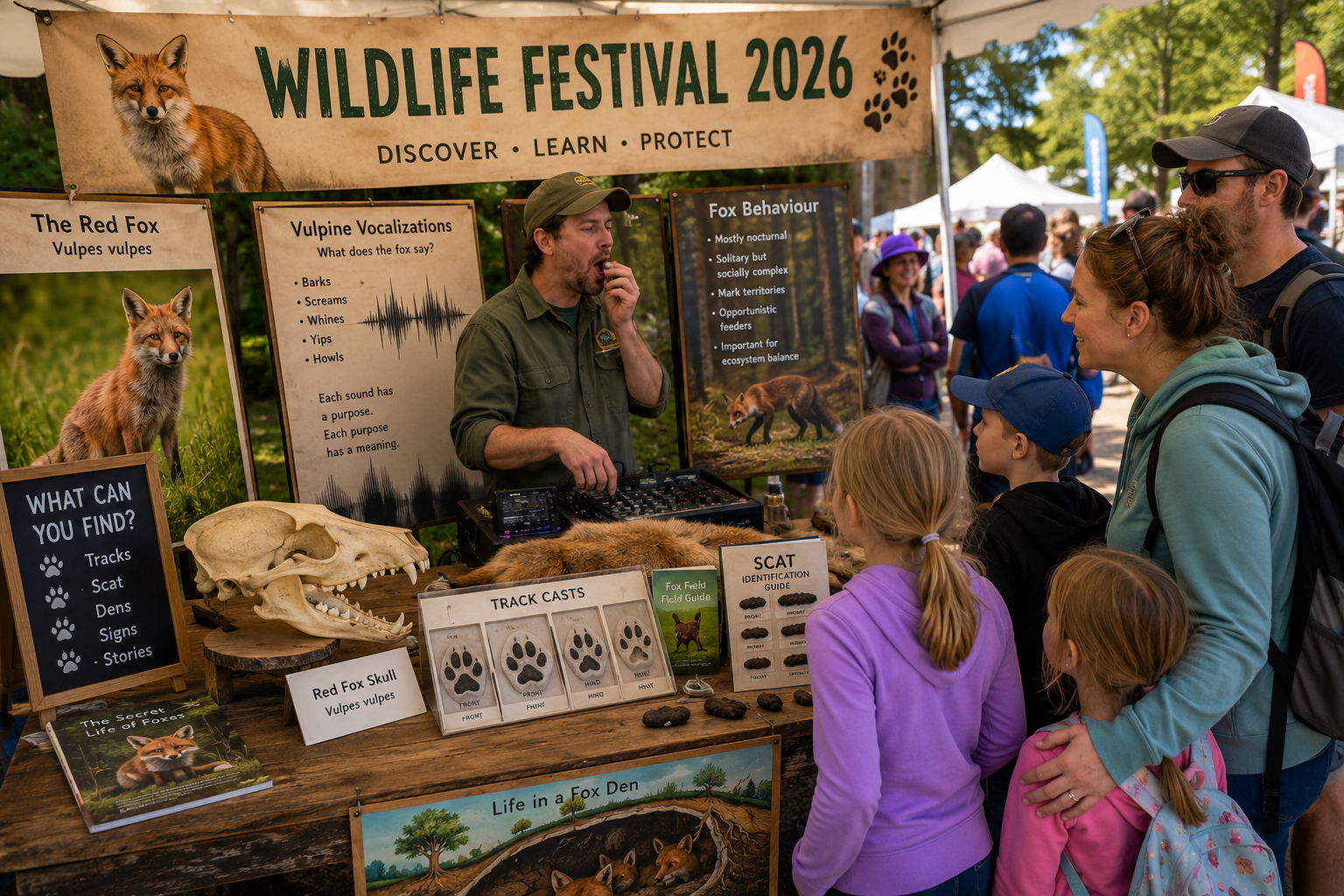
Large wildlife festivals include fox-themed activities for visitors unable or uninterested in extended field observation. Educational booths display fox skulls, pelts (from naturally deceased animals), and track casts. Naturalists demonstrate fox vocalisations and explain their communicative functions. Art activities allow children to create fox masks or paint fox portraits.
These festivals serve important community education functions, particularly in regions where foxes face persecution as livestock predators or rabies vectors. By presenting foxes as fascinating, ecologically important animals worthy of coexistence rather than elimination, festivals shift public perception and build support for conservation initiatives.
Conservation Themes at Fox Watching Events 2026
Beyond observation and education, many fox watching events 2026 incorporate conservation messaging and action opportunities.
Habitat Protection Initiatives
Several events partner with land trusts and conservation organisations to highlight habitat protection needs. The Midwest Fox Festival includes presentations on grassland conservation, explaining how agricultural intensification eliminates the meadow-woodland edge habitat that supports highest fox densities.
Some events incorporate habitat restoration activities, planting native vegetation, removing invasive species, or installing nest boxes for prey species that support fox populations. These hands-on components transform passive observation into active conservation participation.
Human-Wildlife Coexistence Education
Urban and suburban fox events emphasise coexistence strategies. Workshops teach residents how to secure attractants (garbage, compost, pet food), protect vulnerable pets and poultry without lethal fox control, and appreciate the rodent control services foxes provide in residential areas.
These sessions address common misconceptions, that foxes pose significant danger to humans (they don’t; wild red foxes rarely threaten people), that they spread rabies at high rates (fox rabies has been largely eliminated in Western Europe and is uncommon in most North American fox populations), or that they decimate ground-nesting bird populations (predation impacts are typically modest and compensatory rather than additive to other mortality sources).
Research and Citizen Science
Some fox watching events 2026 incorporate citizen science components. Participants submit fox sightings to regional databases, contributing to population monitoring and distribution mapping. Photography-focused events encourage participants to submit images to identification projects documenting individual foxes by unique markings, helping researchers understand territory sizes, longevity, and movement patterns.
The British Fox Project’s annual survey enlists thousands of volunteers to record fox sightings, road casualties, and den locations across the UK. This crowdsourced data provides population trend information impossible to gather through professional research alone, demonstrating how recreational wildlife watching can contribute to scientific understanding.
Frequently Asked Questions
When is the best time of year for fox watching?
Spring (March-May) during mating season and kit emergence offers peak activity and visibility. Autumn (September-November) provides excellent observation during juvenile dispersal. Winter can be productive in snowy regions where tracks reveal movement patterns, though foxes are less active during harsh weather.
Do I need previous wildlife watching experience to attend fox events?
No. Most events welcome beginners and provide all necessary instruction. Guides teach observation techniques, field sign identification, and ethical protocols. Enthusiasm and patience matter more than prior experience.
Are fox watching events suitable for children?
Many events welcome families, though extended dawn and dusk observation sessions challenge young children’s patience. Look for festivals with dedicated youth programming, shorter observation periods, and hands-on activities. Age recommendations vary by event, check specific requirements before registering.
What are the chances of actually seeing foxes?
Sightings are never guaranteed with wild animals. Well-organised events in areas with established fox populations typically achieve 60-80% success rates across multiple observation sessions. Even without sightings, participants learn field sign interpretation and gain understanding of fox ecology that enriches future independent observations.
Can I bring my dog to fox watching events?
No. Canine presence disturbs foxes and other wildlife. Even well-behaved dogs carry scent that alerts foxes to danger. Service animals may be accommodated with advance notice, though handlers should understand this may reduce observation success.
How do fox watching events differ from general wildlife tours?
Fox-specific events focus exclusively on vulpine ecology and behaviour rather than surveying multiple species. Guides possess deep knowledge of local fox populations, individual territories, and seasonal patterns. Observation techniques address foxes’ specific wariness, nocturnal habits, and small size, skills that differ from watching larger, diurnal wildlife.
Conclusion: Joining the Fox Watching Community in 2026
Fox watching events 2026 represent more than recreational wildlife observation, they’re gateways to understanding the complex, often misunderstood animals sharing our landscapes. Whether attending a dawn watch in Pacific Northwest wilderness or an urban fox festival in a metropolitan park, participants gain appreciation for vulpine adaptability, intelligence, and ecological importance.
The growth in organised fox watching reflects broader shifts in wildlife tourism toward ethical, educational experiences that prioritise animal welfare over guaranteed close encounters. By learning to observe patiently, interpret subtle signs, and respect the boundaries wild animals require, participants develop skills applicable to all wildlife watching and contribute to conservation through informed advocacy.
Ready to experience fox watching firsthand? Research events in your region using the examples provided as starting points. Contact local wildlife organisations, nature centres, and Audubon chapters about fox-focused programming. Consider joining online communities where fox enthusiasts share sightings, photographs, and observation tips, these networks often announce events before public advertising.
For those unable to attend organised events, apply the principles discussed here to independent observation. Learn your local foxes’ territories, practice ethical observation techniques, and develop the patience that transforms casual sightings into meaningful wildlife encounters. The foxes are there, in wilderness and suburb alike, waiting for observers willing to meet them on their terms, in their time, within their world.