
Foxes captivate young readers through their perfect blend of mischief and charm. You’ll find these clever characters evolving from simple tricksters in Aesop’s fables to complex personalities like Fantastic Mr. Fox. Their striking orange coats and sly expressions give illustrators rich material to work with, while their stories teach children about nature, survival, and moral complexity. These adaptable creatures continue to enchant generations, reflecting our own struggles between cunning and conscience. The world of literary foxes awaits your exploration.
The Fox as Trickster: Cultural Origins and Literary Traditions

When you explore the rich tapestry of children’s literature, you’ll find foxes appearing as clever tricksters across countless stories and cultural traditions. This isn’t by accident! The fox’s reputation as a cunning character has deep roots in cultural symbolism dating back centuries.
The timeless fox character reveals our cultural fascination with cleverness that transcends both time and tradition.
From Aesop’s fables to Japanese kitsune tales, these orange-furred creatures represent intelligence that often outsmarts stronger opponents. You’ve probably encountered Roald Dahl’s “Fantastic Mr. Fox” or the sly fox in “The Gingerbread Man” – both perfect examples of how folklore influences modern stories.
What’s fascinating is how these characters balance on the edge of hero and villain. They’re neither fully good nor evil, teaching children about cleverness and consequences through engaging adventures.
Their timeless appeal shows why the trickster fox remains a beloved archetype in children’s books worldwide.


Classic Fox Characters That Shaped Children’s Literature
Throughout the history of children’s literature, several iconic fox characters have left an indelible mark on young readers’ imaginations. You’ll find these clever creatures in stories dating back centuries, with folklore influences shaping how they’re portrayed in modern tales.
From Aesop’s cunning fox to Roald Dahl’s Fantastic Mr. Fox, you’ve likely encountered these beloved characters during your childhood reading adventures.
What’s fascinating is the character evolution of literary foxes over time. They’ve transformed from one-dimensional tricksters into complex personalities with relatable qualities.
You can trace how fox characters have grown more nuanced, often reflecting human struggles and triumphs. When you read these stories to children today, you’re connecting them to literary traditions that have captivated generations while teaching timeless lessons about wit, survival, and ingenuity.
Beyond Villainy: The Moral Complexity of Literary Foxes

You’ll notice that foxes aren’t simply villains in many beloved stories, but complex characters who can learn, grow, and even become heroes.
Their trickster nature often serves as a canvas for moral lessons, showing you that cleverness itself isn’t good or bad—it’s how it’s used that matters.
These nuanced portrayals help children understand that everyone has both admirable qualities and flaws, making foxes some of literature’s most relatable and morally instructive characters.
Redeemable Trickster Figures
While foxes often play the villain in traditional tales, modern children’s literature has reimagined these clever creatures as complex characters capable of growth and redemption.
You’ll find the trickster archetype transformed when authors reveal the motivations behind seemingly mischievous behaviors, showcasing redeemable flaws that children can relate to.
These modern fox characters teach valuable lessons about:
- The capacity for change despite past mistakes
- Finding one’s moral compass through challenging experiences
- The fine line between cleverness and deception
- How isolation and misunderstanding can lead to trickery
- The power of friendship in revealing one’s better nature
When you share these stories with children, you’re helping them understand that people aren’t simply “good” or “bad”—everyone has the potential for growth and positive change.
Cleverness as Virtue
In modern children’s literature, foxes have evolved from one-dimensional villains into characters celebrated for their cleverness as a positive trait. You’ll notice how authors now portray foxes’ cunning intelligence as a virtue rather than a vice, encouraging young readers to value quick thinking and resourcefulness.
When you read stories like “Fantastic Mr. Fox” or “The Fox and the Star,” you’re witnessing characters who outsmart opponents not through malice, but through creativity and adaptation. These portrayals teach children that intelligence, when applied ethically, represents strength of character. Additionally, literature often draws on the idea of the cunning fox as a symbol of cleverness, demonstrating how this trait can lead to surprising resolutions.
The fox’s transformation carries important moral lessons about judging others by their actions rather than stereotypes. By reframing traditional villains as complex heroes, today’s children’s literature invites you to appreciate cleverness as a tool for solving problems and overcoming challenges.
Visual Representations: How Illustrators Bring Fox Characters to Life
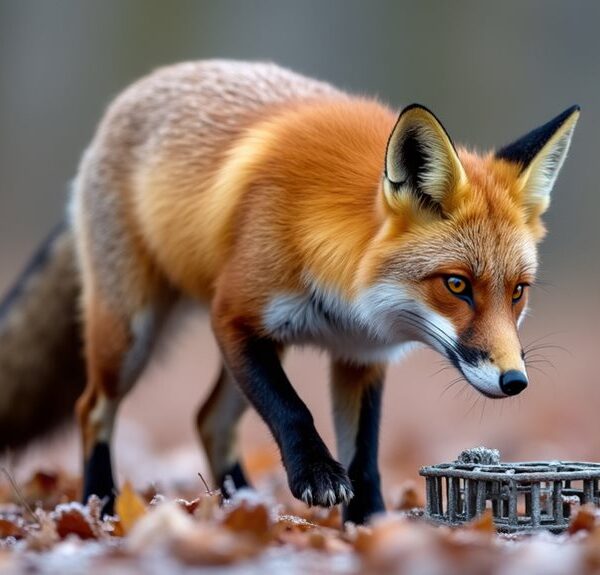
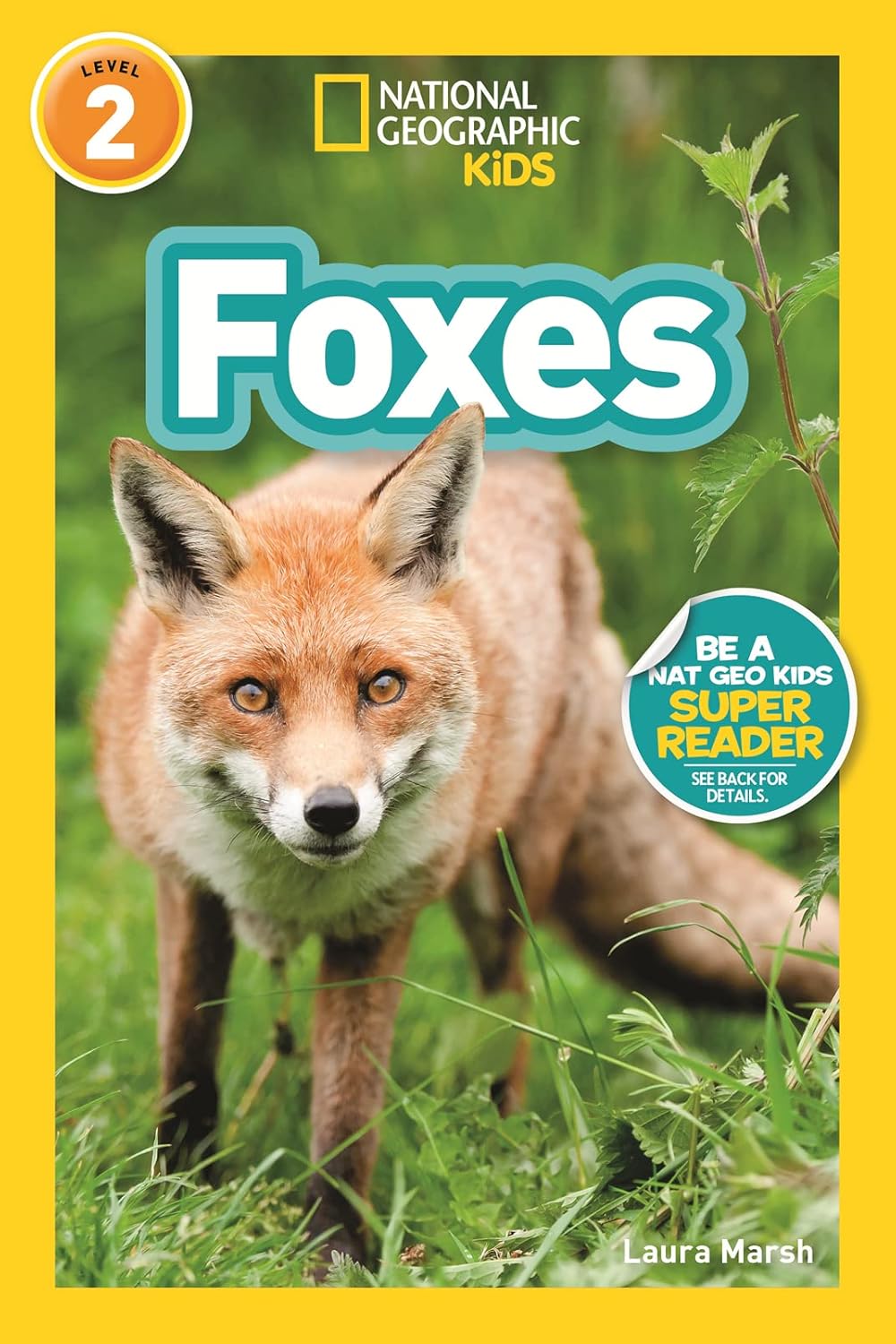
When you look at fox characters in children’s books, you’ll notice illustrators choose between making them walk and talk like humans or portraying them as realistic wild animals.
You’ll find artists often use warm oranges and reds for mischievous foxes, while wise or gentle fox characters might appear in softer, more muted tones.
The way illustrators capture a fox’s movement and facial expressions—from the sly tilt of a head to the sparkle in their eyes—brings these characters to life and helps you connect with their personalities.
Anthropomorphic vs. Realistic Approaches
Illustrators face a fascinating choice when bringing fox characters to life in children’s literature: depict them as they appear in nature or transform them into humanized versions that walk upright and wear clothes. This decision shapes how children connect with these characters and influences the story’s themes.
When you explore fox portrayals across children’s books, you’ll notice distinct approaches that serve different storytelling purposes:
- Anthropomorphic traits allow children to see themselves in the character
- Realistic behaviors teach authentic wildlife knowledge
- Hybrid approaches balance fantasy with educational value
- Classic tales often favor clothed, speaking foxes
- Modern nature books trend toward anatomical accuracy
The choice isn’t merely artistic—it reflects the author’s intention. Do they want you to learn about actual foxes or experience life lessons through a relatable, fox-shaped guide?
Color Palette Choices
Beyond the decision to portray foxes realistically or anthropomorphically, the colors chosen by artists bring these characters to vibrant life on the page. You’ll notice how illustrators often play with traditional orange-red hues, sometimes exaggerating their vibrancy to capture a fox’s mischievous spirit, or muting them to convey wisdom or mystery.
Color symbolism runs deep in these artistic choices. Bright, fiery tones might suggest trickster qualities, while softer, earthier palette choices often accompany more nurturing fox characters.
You’ll find that many contemporary illustrators experiment with unexpected color combinations—purples, blues, or even rainbow patterns—to signal magical qualities or to appeal to modern sensibilities. The fox’s distinctive white-tipped tail, regardless of overall palette choices, remains a constant visual signature that children instantly recognize.
Movement and Expression
Capturing a fox’s essence extends far beyond static imagery to the dynamic domain of movement and expression.
You’ll notice how talented illustrators convey fluid movement through carefully crafted poses that suggest a fox’s natural agility and grace.
When you examine these visual representations, several elements bring these characters to life:
- Tails that curl, flick, or sway to reflect emotion
- Expressive gestures in ears that perk up with curiosity or flatten with fear
- Exaggerated leaping or pouncing postures that showcase playfulness
- Subtle shifts in facial expressions from sly to surprised
- Body language that communicates character intentions without words
Through these dynamic elements, you’re drawn into the fox’s world, connecting with these beloved characters through their distinctly vulpine movements and expressions.
Teaching Moments: What Fox Characters Reveal About Nature and Survival
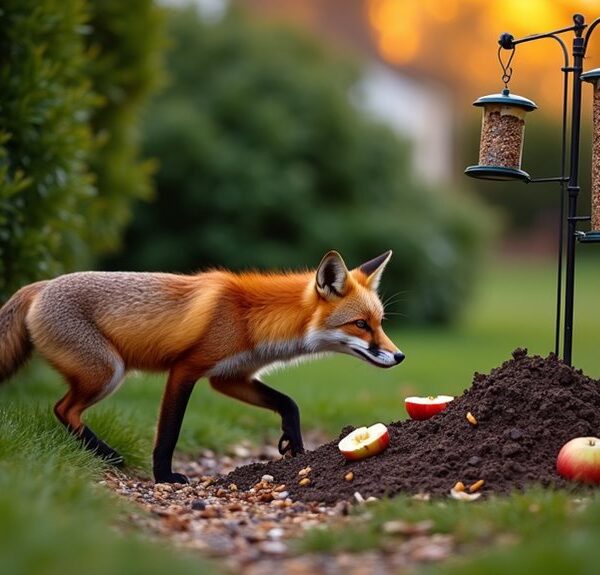
Fox characters in children’s literature serve as powerful teachers about the natural world, offering young readers a glimpse into wildlife behavior and survival strategies. When you read about clever foxes outsmarting predators or finding food during harsh winters, you’re actually learning about real survival strategies these animals employ in nature.
Their fictional adventures often reflect their genuine ecological roles as both predators and prey in balanced ecosystems.
Fox stories illuminate their delicate position within nature’s web, balancing roles as hunters and hunted.
You’ll notice how fox characters demonstrate adaptation through changing seasons, teaching children about wildlife’s resilience. They show how animals must be resourceful, quick-thinking, and occasionally crafty to thrive. For instance, the way foxes utilize their keen senses of smell underscores the importance of adaptability in finding food.
Through these engaging stories, you’re absorbing fundamental concepts about nature’s interconnectedness while being entertained. It’s this perfect blend of education and storytelling that makes fox characters particularly valuable in children’s literature.
Modern Foxes: Evolving Portrayals in Contemporary Children’s Books

Contemporary children’s literature has dramatically transformed the portrayal of foxes, moving beyond simplistic trickster archetypes toward more nuanced characters.
You’ll notice notable narrative shifts in how these clever creatures appear in today’s stories, reflecting our changing relationship with wildlife.
Modern adaptations now present foxes as:
- Complex protagonists with moral dilemmas
- Environmental ambassadors teaching conservation
- Symbols of adaptability in changing worlds
- Guides helping children steer through emotions
- Representatives of cultural diversity and inclusion
When you explore recent fox characters, you’ll find they’re often depicted with relatable family structures and contemporary challenges.
They’ve evolved from being merely cunning antagonists to multidimensional beings with hopes and fears.
These modern portrayals help you and the children in your life connect with nature’s resilience while exploring important social themes, echoing the symbolism of foxes as both helpful guides and deceptive tricksters found in diverse cultures.
Final Thoughts
You’ve traversed through the fascinating world of literary foxes, from ancient tricksters to modern heroes. But what’s next for these beloved characters? As children’s literature evolves, so too will these clever creatures, adapting to new challenges while maintaining their timeless appeal. Watch closely—the fox’s tale isn’t finished. In the pages yet unwritten, these crafty characters will continue to captivate young readers, teaching lessons that, like the fox itself, are both wild and wise.