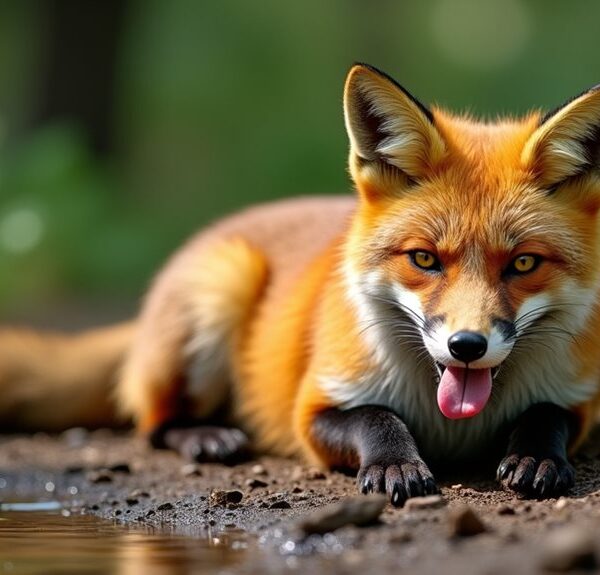

Foxes aren’t suitable therapy animals, despite their charm. Unlike dogs and horses that have evolved alongside humans for thousands of years, foxes maintain their wild instincts even when raised in captivity. They’re unpredictable, often skittish around strangers, and may become defensive when startled—creating safety concerns in therapeutic settings. Legal restrictions also make fox ownership challenging in most places. Wildlife education programs offer a better way to appreciate these magnificent creatures while respecting their natural behaviors.
The History of Animal-Assisted Therapy: Where Do Foxes Fit In?
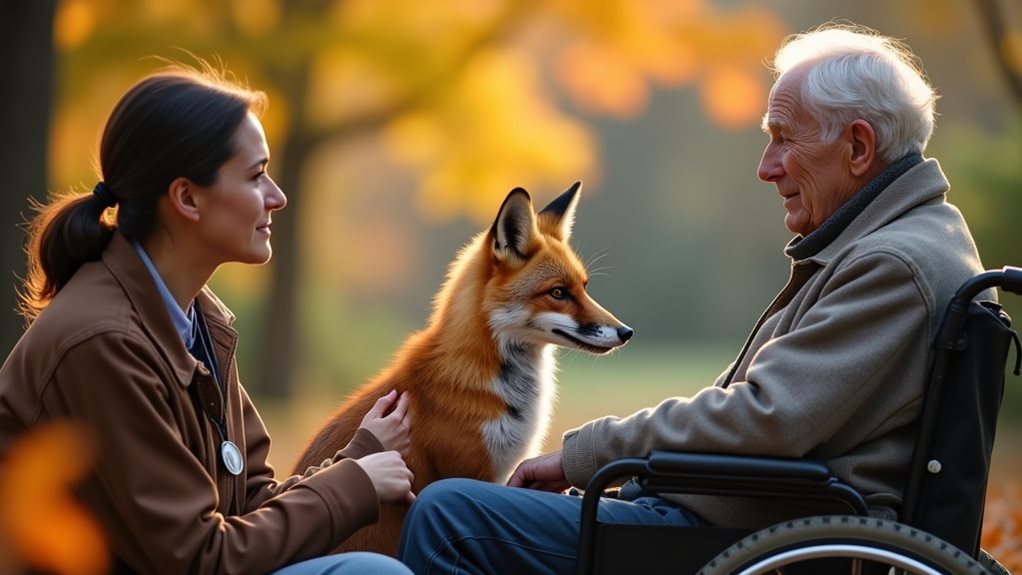
Although animal-assisted therapy has been practiced for centuries, foxes have never been a part of this therapeutic tradition. When you look at the historical context of therapy animals, you’ll find dogs, horses, and even dolphins—but no foxes.
Unlike domesticated animals that have evolved alongside humans for thousands of years, foxes haven’t developed the temperament needed for therapeutic settings. The animal bonding that makes therapy successful requires predictable behavior and natural comfort around humans.
You might be surprised to learn that while foxes are intelligent and curious, they’re still wild at heart. Their unpredictable nature and specialized care requirements make them unsuitable for therapy work.
Even modern animal therapy programs, which have expanded to include cats, rabbits, and birds, don’t incorporate foxes due to these practical limitations.


Premium Print: This PosterEnvy 12x18 inch poster is printed on Durable, Heavy Duty Paper, Designed to last many years. Red fox wildlife design with rich orange coat and winter forest details
Understanding Fox Behavior: Wild Instincts vs. Therapeutic Potential
While many animal lovers dream of cuddling with a fox, understanding their natural behavior reveals why they aren’t suitable therapy animals.
Despite socialization techniques that might temporarily calm these creatures, foxes retain their wild instincts even after generations of human contact.
Though we may attempt to tame the fox, wild instincts remain beneath their curious eyes and fluffy coat.
You’ll quickly notice the domestication challenges when working with foxes. They mark territory with strong-smelling urine, become extremely skittish around strangers, and may nip when startled—behaviors incompatible with therapy settings.
Unlike dogs, which evolved alongside humans for thousands of years, foxes haven’t developed the temperament needed for unpredictable environments.
Even the famous Russian fox experiment, which produced somewhat friendlier foxes after decades of selective breeding, couldn’t eliminate these wild traits completely. Red fox behavior remains fundamentally wild animals, making them poor candidates for therapeutic work.
The Science Behind Animal Therapy: Can Foxes Meet Clinical Standards?
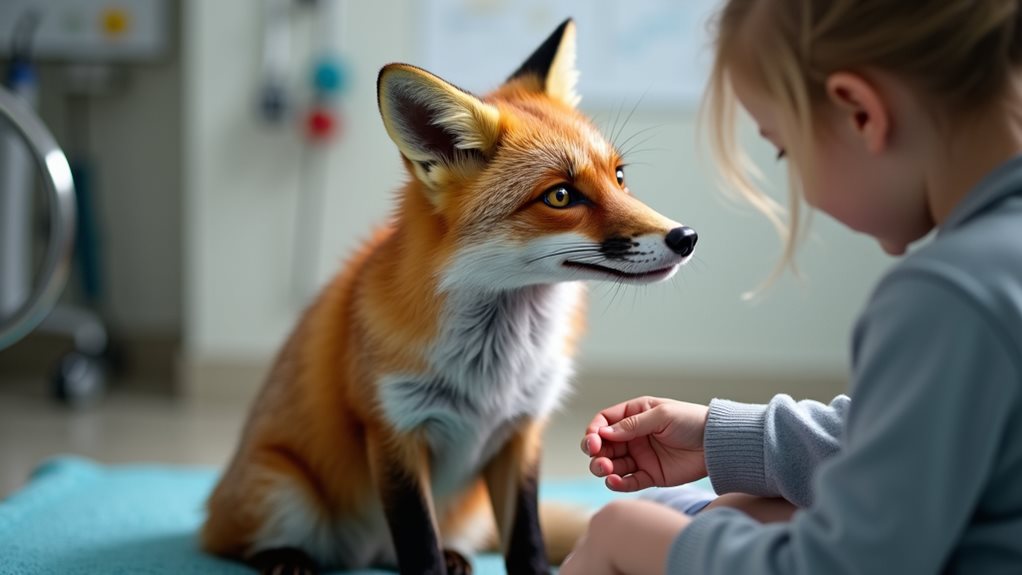
The science behind effective animal therapy requires specific behavioral traits that foxes simply can’t deliver in clinical settings. When you consider what makes therapy animals successful, you’ll find they need predictable responses, calm temperaments, and an innate desire to connect with humans – characteristics foxes typically lack.
Unlike dogs or cats, foxes haven’t undergone thousands of years of domestication, making behavioral training extremely challenging. They retain strong wild instincts that can manifest as unpredictable behaviors, scent marking, or stress responses when confined to clinical environments. Additionally, a fox’s aggression due to food scarcity can pose safety risks in therapeutic settings.
Animal welfare concerns also arise when forcing naturally skittish creatures into therapy roles. You wouldn’t want an anxious animal interacting with vulnerable patients!
While foxes are fascinating and beautiful creatures, the scientific evidence suggests they’re poor candidates for the structured, consistent interactions that effective animal therapy demands.
Legal and Ethical Considerations of Keeping Foxes as Support Animals
Beyond the scientific challenges, keeping foxes as support animals presents a maze of legal barriers and ethical questions you’ll need to maneuver.
In most states, you’ll find strict legal regulations against owning wild animals without special permits, which are rarely granted for therapy purposes. Even if you could navigate these laws, you’d face considerable ethical implications.
Wild animal ownership faces a legal labyrinth, with therapy permits almost impossible to secure.
You might wonder, “Is it fair to domesticate a wild animal for human benefit?” Foxes, unlike dogs or cats, haven’t evolved alongside humans for thousands of years. They retain natural instincts that make confinement stressful.
When you’re seeking emotional support, is it right to potentially cause suffering to another creature? Remember, true therapy relationships should benefit both parties.
Before pursuing a fox as a support animal, consider both the legal hurdles and your ethical responsibilities. Additionally, proper care requirements, such as nutrition and veterinary care, are vital to ensure the well-being of any exotic animal you may own.
Real-World Cases: Examining Claims of Therapeutic Fox Relationships

Despite numerous viral social media stories, documented cases of successful therapeutic fox relationships remain scarce and often misleading.
When you see heartwarming videos of fox companionship online, you’re typically witnessing either temporary interactions or relationships with foxes raised in captivity from birth—not genuine therapy situations.
Most claims about foxes providing emotional support lack scientific backing and overlook the challenging reality of fox ownership.
You’ll find that many viral “therapy fox” stories later reveal the animals were eventually surrendered due to behavioral issues, property damage, or legal complications.
If you’re considering alternative therapy animals, it’s worth consulting with licensed mental health professionals who can recommend properly trained and legally recognized support animals.
While foxes are certainly fascinating creatures, their unpredictable nature makes them poorly suited for consistent therapeutic work.
Alternatives to Fox Therapy: Wildlife Education as a Compromise
While foxes generally don’t make suitable therapy animals, wildlife education programs offer a compelling alternative that satisfies your interest in these creatures without the complications of ownership.
You’ll find that these programs prioritize animal welfare while still allowing you to connect with foxes in a responsible way.
Many nature centers and wildlife sanctuaries host educational sessions where you can observe foxes in appropriate settings.
You’ll learn about their natural behaviors, habitats, and conservation needs—knowledge that’s far more valuable than attempting to domesticate them. Additionally, these programs can shed light on the habitat loss faced by many fox species, highlighting the importance of conservation efforts.
These educational experiences can still provide therapeutic benefits through the joy of learning and connecting with nature.
Plus, you’re supporting organizations that protect these amazing animals rather than contributing to the problematic exotic pet trade.
Final Thoughts
You’ve now seen why foxes aren’t ideal therapy animals, despite their charm. While 95% of accredited animal therapy programs reject foxes due to unpredictable behavior, you don’t have to abandon your fox fascination. Consider wildlife education programs instead, where you’ll learn about these amazing creatures in appropriate settings. The therapeutic benefits you’re seeking might be better found in traditional therapy animals, while your love of foxes can thrive through ethical, educational experiences.