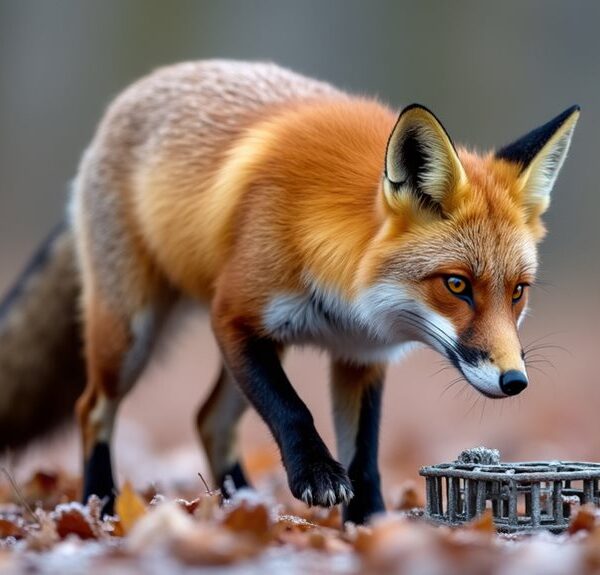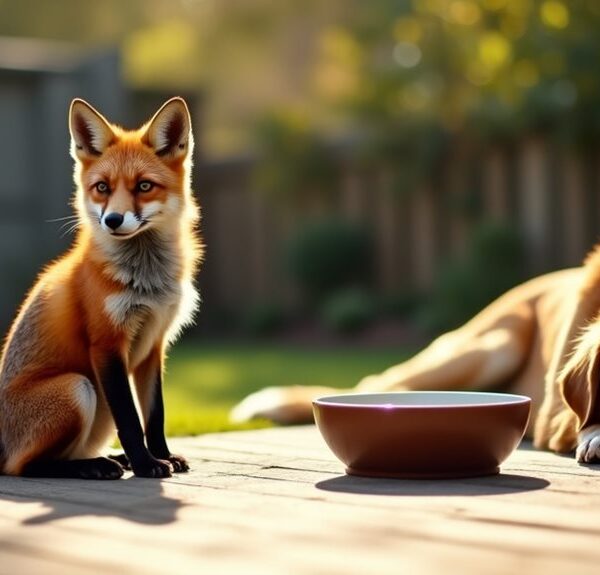
A red fox appears in a suburban garden at 11 PM, pauses beneath a motion sensor light, and vanishes into shadow before the homeowner can grab their camera. This scene plays out thousands of times each night across North America, yet most people never realize foxes are living within metres of their homes. Finding reliable fox watching locations near me doesn’t require wilderness expeditions, it demands understanding where vulpine behaviour intersects with accessible habitat.
The challenge isn’t that foxes are rare. Red fox populations have expanded dramatically across urban and suburban landscapes over the past three decades. The real obstacle is knowing where to look, when to arrive, and what signs reveal active den sites versus abandoned territories. This guide translates field research into practical location-finding strategies that work whether you’re in downtown Toronto or rural Montana.
Key Takeaways
- Habitat edges produce the highest fox activity: Transition zones between forest and field, suburban and wild, offer concentrated hunting opportunities that foxes patrol predictably
- Dawn and dusk timing matters more than location quality: Even prime habitat yields few sightings during midday; crepuscular hours increase encounter probability by 400-600%
- Track identification and scat analysis reveal active territories faster than random searching: Physical evidence guides efficient site selection
- Urban foxes exhibit different patterns than rural populations: Suburban animals often show bolder behaviour and smaller territories, requiring adjusted observation strategies
- Seasonal behaviour dramatically shifts location productivity: Mating season (January-February) and kit-rearing months (April-June) concentrate activity near den sites
Understanding Fox Habitat Preferences and Range
Red foxes demonstrate remarkable habitat flexibility, but their presence isn’t random. Across their North American range, foxes select territories based on three primary factors: prey density, denning substrate, and human disturbance levels. A 2019 study tracking urban foxes in Chicago found average territory sizes of 0.8 square kilometres, roughly one-fifth the size of rural territories, because concentrated food sources allow smaller ranges.
Prime fox habitat characteristics include:
- Edge environments: Where woodland meets grassland, agricultural fields border hedgerows, or suburban yards transition to natural areas
- Varied topography: Gentle slopes, drainage ditches, and elevated areas that provide vantage points
- Adequate cover: Brush piles, tall grass, abandoned structures, or dense shrub layers for daytime resting
- Reliable prey base: Rodent populations, rabbit habitat, or in urban settings, accessible refuse and pet food
The red fox range extends across virtually all of North America except the far Arctic, but local abundance varies dramatically. Foxes reach highest densities in mixed agricultural landscapes with scattered woodlots, environments that maximize edge habitat while providing both hunting grounds and secure den sites.
Identifying Active Fox Territories Through Field Signs
Before investing hours at a potential location, verify current fox presence through physical evidence. Unlike deer or coyotes that leave obvious browse lines or large scat deposits, fox sign requires closer inspection but tells a more detailed story.
Track identification provides the most reliable confirmation. Fox prints measure 4.5-6 cm long, showing four toe pads in a diamond pattern with claw marks visible. The key diagnostic feature: a chevron-shaped ridge across the heel pad, and the overall print appears more elongated than a domestic dog’s rounder track. Fresh tracks in mud, snow, or sand indicate recent activity, foxes typically patrol territory boundaries every 2-3 days.
Scat analysis reveals not just presence but diet and territory boundaries. Fox droppings appear twisted, rope-like, 8-12 cm long, often containing fur, bone fragments, or berry seeds depending on season. Foxes frequently deposit scat on elevated objects, rocks, stumps, trail intersections, as territorial markers. A concentration of scat deposits suggests a territory boundary or frequently travelled route.
Den sites represent the highest-value observation locations during breeding season. Active dens show freshly excavated earth, prey remains scattered near entrances, and multiple entrance holes (foxes maintain 3-5 escape routes). The distinctive musky odour of fox urine often permeates the area within 10-15 metres of active dens. Our guide on exploring fox dens and habitat factors provides detailed identification criteria.
Finding Fox Watching Locations Near Me: Urban vs Rural Strategies
The approach to locating productive fox watching sites differs fundamentally between urban and rural environments. Urban foxes have adapted to human presence in ways that actually simplify observation, if you know where to focus attention.
Urban and Suburban Fox Locations
City foxes concentrate activity around predictable food sources and secure daytime refuges. Unlike their rural counterparts that hunt across expansive territories, urban animals often establish core activity zones of just 20-30 hectares.
High-probability urban locations:
🏘️ Cemetery complexes: Large cemeteries offer ideal urban fox habitat, minimal human disturbance after hours, abundant prey (rodents attracted to landscaping), and numerous den site options in overgrown sections. Many urban wildlife photographers consider cemeteries the most reliable fox watching locations in metropolitan areas.
🏞️ Golf courses and sports fields: The transition zones between maintained turf and rough areas attract rodents, while equipment sheds and drainage culverts provide denning opportunities. Access restrictions often apply, but dawn observation from public roads bordering courses can be productive.
🚂 Railway corridors and utility rights-of-way: These linear habitats function as wildlife highways through urban landscapes. Foxes use them for travel and hunting, particularly where vegetation provides cover adjacent to residential areas.
🏫 School grounds and university campuses: After-hours, these spaces transform into fox hunting territories. The combination of landscaped areas, building foundations for denning, and reduced human activity makes them surprisingly productive.
Urban observation timing: City foxes often shift toward more nocturnal patterns than rural populations, but the hours immediately after sunset (7:30-9:30 PM in summer, 5:30-7:00 PM in winter) and before sunrise remain most productive. During mating season in January and February, urban foxes become notably bolder and more visible throughout the night.
Rural and Wildland Fox Locations
Rural fox watching requires more extensive territory coverage but offers opportunities to observe natural vulpine behaviour without human-habituated modifications. The key is identifying habitat features that concentrate fox activity.
Productive rural locations:
🌾 Agricultural field margins: The interface between crop fields and hedgerows, tree lines, or drainage ditches creates prime hunting habitat. Foxes patrol these edges systematically, particularly during vole and mouse population peaks. Position yourself downwind of the field edge during the final hour of daylight.
🌲 Forest clearings and logging roads: Openings in continuous forest provide hunting opportunities for foxes that primarily prey on small mammals. Old logging roads serve as travel corridors and often feature den sites in roadside banks.
🏔️ Hillside pastures with rock outcrops: Elevated terrain allows foxes to survey for prey while rock formations provide secure denning substrate. These locations work particularly well during kit-rearing season when adults make frequent hunting trips from dens.
💧 Wetland edges and stream corridors: Riparian zones attract diverse prey species and provide year-round water access. Foxes frequently hunt these areas during dawn and dusk, particularly where streams meander through agricultural landscapes.
Rural observation strategy: Unlike urban settings where foxes may appear in the same garden nightly, rural animals cover larger territories. Successful rural fox watching often involves identifying multiple potential locations within a 5-10 kilometre area and rotating between them based on recent sign. Trail cameras positioned at suspected travel corridors can reveal activity patterns before committing to observation sessions.
Seasonal Patterns and Optimal Timing for Fox Watching Locations Near Me
Fox behaviour shifts dramatically across seasons, and location productivity changes accordingly. Understanding these patterns prevents wasted effort at sites that were productive last month but now see minimal activity.
Winter: Mating Season Visibility (December-February)
Winter represents peak observation opportunity. During mating season, foxes become dramatically more vocal and visible. The distinctive triple-bark of dog foxes and the eerie scream of vixens carry up to 800 metres on cold, still nights. This is when foxes are least cautious, often visible in open areas during daylight hours.
Winter location priorities:
- Known den sites from previous years (foxes often reuse successful locations)
- Open fields where courting pairs hunt together
- Territory boundary areas where vocalisations concentrate
The lack of vegetation also makes winter tracking easier. Fresh snow transforms any landscape into a readable map of fox movements from the previous night.
Spring: Den-Centered Activity (March-May)
Once kits are born (typically late March through April), adult fox behaviour becomes highly predictable and location-specific. Vixens remain near dens while dog foxes make regular hunting trips, returning with prey every 2-4 hours during peak kit growth.
Spring observation strategy:
- Focus exclusively on confirmed den sites
- Position yourself 50-100 metres downwind with clear sightlines to den entrances
- Dawn sessions (5:00-7:30 AM) catch returning adults; dusk sessions (6:00-8:30 PM) show kits emerging for play
This is the season when binoculars or a spotting scope becomes essential, close approaches disturb family groups and may cause den abandonment.
Summer: Dispersal and Range Expansion (June-August)
By late June, kits begin accompanying adults on hunting trips, and by August, young foxes disperse to establish their own territories. This creates temporarily higher fox density as juveniles explore widely, but also makes behaviour less predictable.
Summer location approach:
- Return to edge habitats and travel corridors rather than den sites
- Agricultural areas with ripening crops attract rodents and consequently foxes
- Dawn remains more productive than dusk due to heat
Autumn: Territory Establishment (September-November)
Autumn sees dispersed juveniles establishing territories and adults reinforcing existing boundaries. Fox activity becomes more widespread but less concentrated than during breeding season.
Autumn priorities:
- Scout new locations and document sign for winter observation planning
- Focus on habitat edges where prey populations peak before winter
- Late autumn (November) marks the beginning of increased vocalisations as mating season approaches
Equipment and Observation Ethics for Fox Watching
Successful fox observation requires minimal specialized equipment but demands significant fieldcraft. The goal is witnessing natural behaviour, not creating wildlife encounters through baiting or disturbance.
Essential Equipment
Optical gear: Quality binoculars (8×42 or 10×42 configuration) allow observation from respectful distances. For den watching, a spotting scope with 20-60x magnification enables detailed behaviour observation without proximity that might disturb family groups.
Photography equipment: Foxes present challenging photographic subjects, small, fast-moving, and often active in low light. A telephoto lens in the 400-600mm range provides adequate reach, though 300mm can work for urban foxes that tolerate closer approach. A sturdy tripod is non-negotiable for the slow shutter speeds required in dawn/dusk conditions.
Field documentation: A simple notebook for recording observation times, weather conditions, and behaviours builds valuable location knowledge over time. Many observers find that field journals specifically designed for wildlife watching help maintain consistent documentation.
Camouflage and concealment: While full camouflage isn’t necessary for distant observation, earth-toned clothing and a camouflage hide can dramatically improve success rates at productive locations. Foxes key on movement more than colour, so remaining still matters more than perfect concealment.
Ethical Observation Practices
Distance guidelines: Maintain minimum 50-metre separation from foxes engaged in natural behaviour. If a fox alters its behaviour in response to your presence, stops hunting, stares directly at you, or moves away, you’re too close. During denning season, never approach closer than 100 metres to active dens.
No baiting or feeding: While food placement guarantees fox appearances, it habituates animals to human presence, disrupts natural foraging behaviour, and can create nuisance situations. Observation should document existing behaviour, not manufacture it.
Minimize disturbance: Limit observation sessions to 2-3 hours, avoid repeated visits to the same location on consecutive days during sensitive periods (denning season), and never attempt to flush foxes from cover for photographic opportunities.
Respect property boundaries: Many prime fox habitats exist on private land. Always secure permission before entering private property, and respect access restrictions on public lands.
Advanced Location-Finding Techniques
Beyond basic habitat assessment, several advanced strategies can accelerate the process of identifying productive fox watching locations near me.
Community Science and Local Knowledge
iNaturalist and eBird: These platforms aggregate wildlife sightings, including foxes. Searching for red fox observations within your region reveals clusters of recent activity. While individual sightings may be opportunistic, multiple reports from the same area suggest established territories.
Local naturalist groups: Regional Audubon chapters, native plant societies, and wildlife photography clubs often maintain informal knowledge of reliable fox locations. Many experienced observers willingly share general location information (though specific den sites are typically kept confidential during breeding season).
Municipal wildlife reports: Some cities track urban wildlife through resident reports. These databases can reveal fox activity hotspots, though reports often cluster in areas with higher human density rather than highest fox density.
Remote Scouting with Digital Tools
Satellite imagery analysis: Google Earth and similar platforms allow desktop habitat assessment. Look for the edge environments foxes prefer, where forest meets field, where streams create riparian corridors, where suburban development borders natural areas. The “historical imagery” feature can reveal landscape changes that might affect fox habitat.
Topographic map study: USGS topographic maps reveal terrain features that concentrate fox activity, ridgelines, drainage patterns, and elevation changes that create diverse microhabitats. Foxes often travel along contour lines rather than straight across slopes.
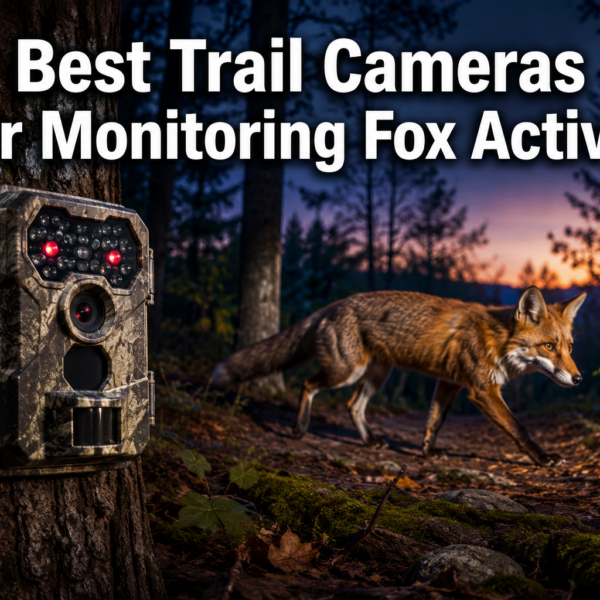
Trail camera networks: Deploying trail cameras at suspected travel corridors provides 24/7 monitoring without human presence. Position cameras at:
- Trail intersections in wooded areas
- Gaps in fencelines between fields
- Culverts under roads or railways
- Obvious game trails showing multiple species use
A network of 3-5 cameras across a study area reveals movement patterns that guide observation site selection.
Tracking and Sign Interpretation Mastery
Developing advanced tracking skills transforms every walk into a scouting mission. Beyond basic track identification, experienced trackers read:
Gait patterns: Fox tracks in snow or mud reveal whether the animal was hunting (irregular spacing, frequent direction changes), travelling (steady trot with regular spacing), or fleeing (gallop pattern with long spacing). Hunting patterns indicate productive areas worth observation time.
Scent marking intensity: Foxes mark territory boundaries with urine and scat more heavily than interior areas. A concentration of marking suggests you’re near territory edges, often productive observation zones where neighbouring foxes may interact.
Prey remains: Cached prey (partially buried), scattered feathers, or fur tufts indicate successful hunting areas. Foxes return to productive hunting zones repeatedly.
FAQ
What time of day offers the best chance of seeing foxes?
The two hours surrounding sunrise and sunset provide optimal fox watching opportunities year-round. Foxes are crepuscular by nature, with activity peaks at dawn (5:00-7:30 AM) and dusk (one hour before sunset to one hour after). During winter mating season, foxes become more active throughout the night and occasionally during midday. Urban foxes often shift toward more nocturnal patterns but still show crepuscular peaks.
How close can I get to a fox without disturbing it?
Maintain a minimum 50-metre distance from foxes engaged in natural behaviour. Urban foxes habituated to human presence may tolerate closer proximity (20-30 metres), but if the fox stops its activity to watch you, moves away, or shows alert posture, you’ve approached too closely. During denning season (March-June), never approach closer than 100 metres to active dens, as disturbance may cause den abandonment.
Are urban or rural locations better for fox watching?
Urban locations offer higher encounter reliability and more predictable fox behaviour due to smaller territories and concentrated food sources. Rural locations provide opportunities to observe more natural hunting behaviour and typically less human-habituated animals. For beginners, urban sites often yield faster success, while experienced observers may prefer the challenge and behavioural diversity of rural fox watching.
What should I do if I find a fox den?
Document the location privately, observe from a minimum 100-metre distance, and limit visits to avoid disturbing the family group. Never approach den entrances, attempt to photograph kits at close range, or share specific den locations publicly. If you’re concerned about the den’s safety (near construction, heavy human traffic), contact local wildlife authorities rather than attempting intervention. Most fox families successfully raise kits even in seemingly precarious locations.
Can I attract foxes to my property for observation?
While possible, attracting foxes through feeding creates problems including habituation, potential conflicts with neighbours, and disruption of natural foraging behaviour. A better approach: maintain natural habitat features (brush piles, unmowed areas, diverse plantings) that support prey populations, secure garbage in wildlife-proof containers, and allow natural fox presence to develop. If foxes already visit your property and you want to deter them, consult our guides on fox deterrents and repellent options.
How can I tell if tracks I’ve found are fox rather than small dog?
Fox tracks show a distinctive diamond or X-shaped pattern when you draw lines connecting the four toe pads, with the two front toes positioned close together. The heel pad displays a chevron-shaped ridge across its width. Fox tracks appear more elongated (length exceeds width by 20-30%) compared to the rounder domestic dog print. Additionally, fox trails typically follow straight lines across landscapes, foxes travel efficiently, while dogs meander more randomly. Track size alone isn’t diagnostic, as small dogs and foxes overlap in foot size.
Conclusion
Finding productive fox watching locations near me requires understanding the intersection of vulpine behaviour, habitat preferences, and seasonal patterns rather than random searching. Whether you’re exploring urban cemeteries at dawn or positioning yourself along rural field edges at dusk, success comes from reading landscape features that concentrate fox activity, edge environments, den sites during breeding season, and travel corridors that connect habitat patches.
The most valuable skill isn’t identifying the single “best” location but developing the field craft to assess any landscape for fox potential. Track identification, scat analysis, and habitat evaluation transform every outdoor space into readable text that reveals where foxes live, hunt, and raise their young.
Start your fox watching journey with these immediate steps:
- Scout three potential locations within 10 kilometres of your home using the habitat criteria outlined above, one urban/suburban site, one agricultural edge, and one wildland location if available
- Visit each location during optimal hours (dawn or dusk) three times over two weeks, documenting any fox sign encountered
- Deploy a trail camera at the most promising location based on sign evidence to confirm activity patterns before investing in extended observation sessions
- Connect with local naturalist communities through iNaturalist or regional wildlife groups to learn from experienced observers in your area
- Maintain a field journal recording conditions, sightings, and sign for each location, patterns emerge over time that aren’t apparent from individual visits
The red fox’s remarkable adaptability means productive watching locations exist in virtually every North American landscape, from downtown Vancouver to the Sonoran Desert. The question isn’t whether foxes live near you, they almost certainly do, but whether you’ve learned to recognize the signs of their presence and the patterns of their daily lives. With patience, systematic habitat assessment, and respect for these remarkable animals, reliable fox encounters become not a matter of luck but of informed fieldcraft.