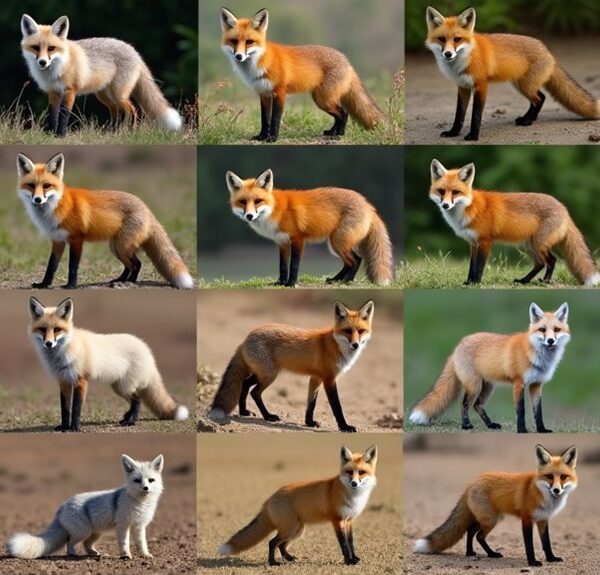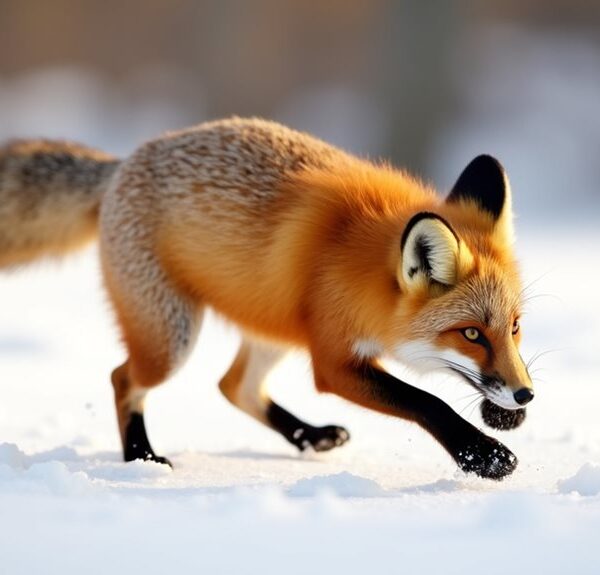
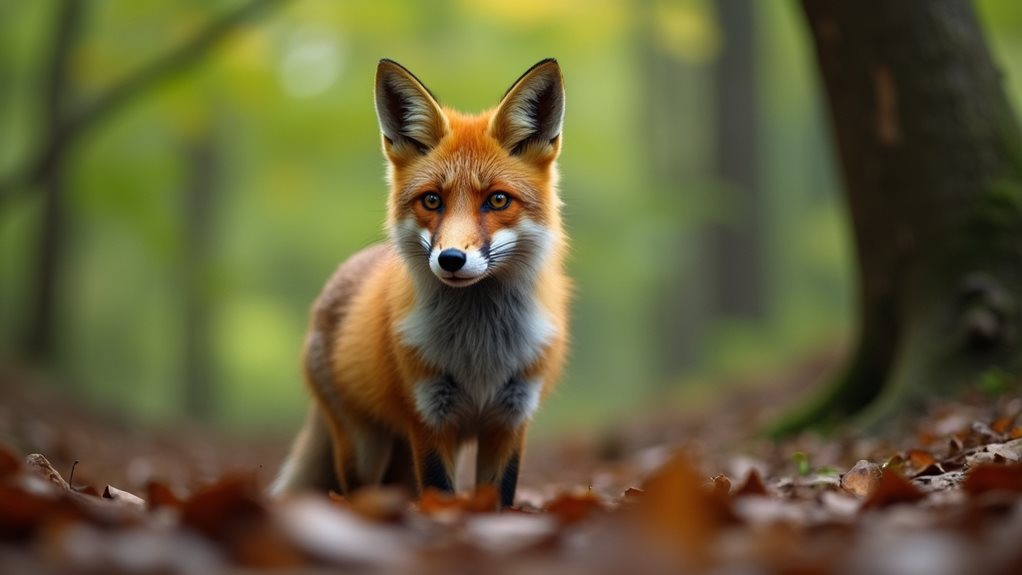
Wild foxes typically survive just 2-4 years in their natural environment, though exceptional individuals might reach 8-10 years under perfect conditions. You’ll find dramatic differences between species, with red foxes averaging 3-4 years and Arctic foxes typically living 4-5 years. The first year is particularly dangerous, with fewer than half of all fox kits surviving to adulthood. Compare this to captive foxes, who often enjoy lifespans of 10-14 years with proper care and protection.
Contents
- 1 The Stark Numbers: Wild Fox Survival Rates
- 2 Factors That Shorten Wild Fox Lifespans
- 3 Red Fox vs. Arctic Fox: Lifespan Differences Among Species
- 4 Urban Foxes: Do City Dwellers Live Longer?
- 5 Natural Predators and Their Impact on Fox Mortality
- 6 Disease and Parasites: Silent Killers in Fox Populations
- 7 Human Influence: Hunting, Trapping, and Habitat Loss
- 8 Captive vs. Wild: The Dramatic Lifespan Disparity
- 9 Seasonal Challenges: How Weather Affects Fox Longevity
- 10 Conservation Efforts and Their Effect on Fox Survival Rates
- 11 Final Thoughts
The Stark Numbers: Wild Fox Survival Rates
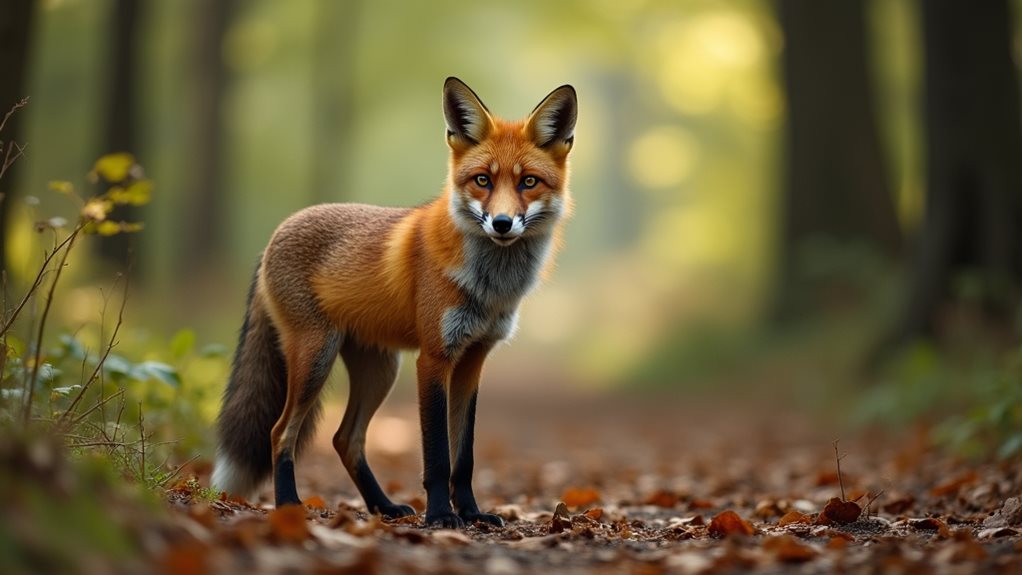
The stark reality of wild fox survival might shock you if you’re used to thinking of these clever creatures as nearly immortal tricksters from folklore. In truth, most wild foxes lead surprisingly short lives, typically surviving just 2-4 years in their natural habitat.
Clever in folklore, fragile in reality—wild foxes typically survive just 2-4 years in nature’s unforgiving wilderness.
This brief lifespan stems from numerous threats including predation, disease, harsh weather, and increasingly, human activity.
Fox population dynamics reflect this harsh reality, with high mortality rates among kits—often exceeding 50% in their first year. You’ll find that these statistics play a vital role in ecological balance, as fox populations must reproduce quickly enough to offset these losses.
While some exceptional foxes might reach 8-10 years in perfect conditions, they’re rare exceptions rather than the rule. Furthermore, red foxes’ exceptional hearing and adaptability enhance their survival chances, although many still succumb to the dangers of urban environments. Nature’s balance depends on this cycle of life and death.
Factors That Shorten Wild Fox Lifespans
Despite their remarkable adaptability, wild foxes face numerous threats that dramatically shorten their natural lifespan. You’ll find that human activity tops the list—habitat destruction forces foxes to alter their dietary habits and disrupts their social structure. These clever creatures often resort to scavenging near roads, leading to frequent vehicle collisions. Disease presents another notable danger, with rabies and canine distemper spreading rapidly through fox populations. Don’t forget about predation—eagles, wolves, and coyotes all view foxes as potential meals. Even their dietary habits can work against them during harsh winters when food becomes scarce. Weather extremes pose additional challenges, with young kits particularly vulnerable to freezing temperatures. It’s a tough world out there for these beautiful animals, making their average three-year lifespan in the wild seem even more precious.
Red Fox vs. Arctic Fox: Lifespan Differences Among Species
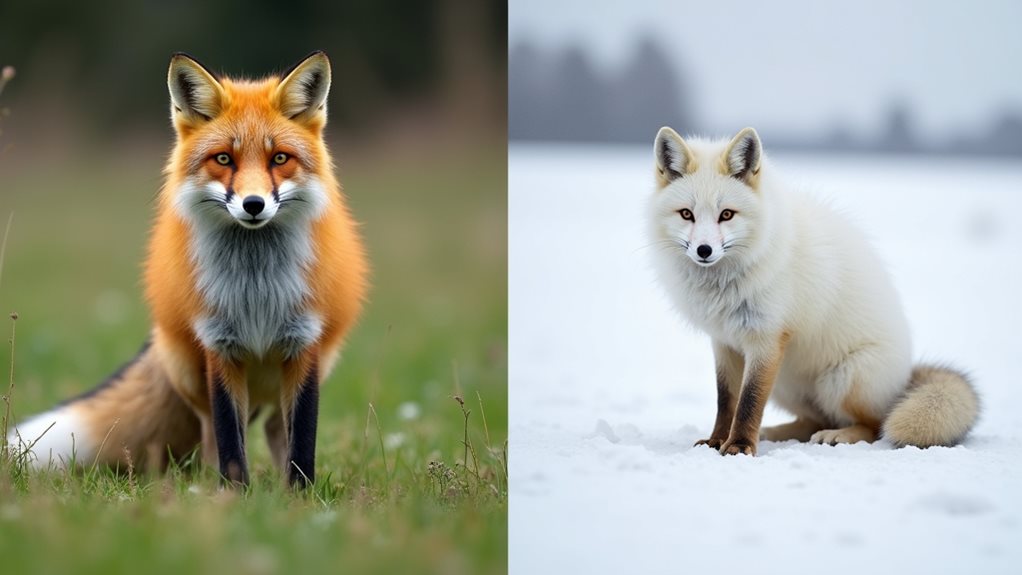
You’ll notice considerable lifespan differences between red and arctic foxes based on their unique habitats and the predators they face.
Red foxes typically contend with more diverse threats in their varied habitats, while arctic foxes have evolved remarkable cold-weather adaptations that impact their survival rates.
These survival mechanisms, from the red fox’s versatile diet to the arctic fox’s incredible insulation systems, directly influence how long each species typically lives in the wild. Arctic foxes’ thick, double-layered fur allows them to endure extreme cold, contributing to their overall longevity in harsh environments.
Habitat Impact Analysis
When comparing fox species across different environments, we’ll find that habitat plays a crucial role in determining lifespan expectations.
Arctic foxes, adapted to harsh polar conditions, often face different survival challenges than their red fox cousins living in more temperate regions.
You might be surprised to learn how habitat degradation impacts these creatures differently.
Red foxes show remarkable adaptability to environmental changes, even thriving in urban areas where they can find shelter and food. This adaptability sometimes extends their lifespan compared to those in rapidly changing rural habitats.
Meanwhile, Arctic foxes face mounting challenges as polar ice melts, compressing their natural hunting territories.
While they’ve evolved for extreme cold, they haven’t prepared for warming trends that alter prey availability and den stability.
These habitat-specific pressures directly influence how long these fascinating creatures survive in the wild. Additionally, fragmented habitats hinder the movement of populations, further exacerbating challenges for Arctic foxes.
Predator Threat Comparison
Predator threats considerably influence the lifespan differences between red and Arctic foxes in their respective environments.
You’ll notice that each species has developed unique survival strategies to combat predator behavior in their habitats.
When comparing these fascinating creatures, four key differences emerge:
- Red foxes face more diverse predators, reducing their average lifespan to 3-4 years compared to Arctic foxes’ 4-5 years.
- Arctic foxes’ white winter coats provide superior camouflage against polar bears and wolves.
- Red foxes rely on quick escapes and den networks, while Arctic foxes often use snow tunnels.
- Your local red fox is more adaptable to human encroachment, while Arctic foxes struggle with these new threats.
Additionally, urban red fox populations often exceed those in rural areas, showcasing their adaptability in the face of constant danger!
You’ll find these adaptations remarkable examples of nature’s ingenuity in the face of constant danger!
Survival Adaptation Mechanisms
Remarkable survival adaptations distinguish red and Arctic foxes, contributing greatly to their different lifespans in the wild.
You’ll notice that Arctic foxes have developed incredible cold-weather survival strategies, including thick fur that changes color seasonally and a compact body shape that conserves heat. These adaptations help them outlive their red fox cousins by 2-3 years on average!
Red foxes, while shorter-lived, showcase impressive adaptive behaviors of their own. They’re masters of versatility, thriving in diverse habitats from forests to urban environments.
Their omnivorous diet and keen problem-solving skills let them find food year-round. Both species employ clever hunting techniques, but you’ll find that the Arctic fox’s specialized cold-weather adaptations give them a distinct advantage when it comes to longevity in their harsh native habitats. Additionally, the Arctic fox’s insulated foot pads enable silent movement on icy terrain, enhancing its hunting efficiency even in the most challenging conditions.
Urban Foxes: Do City Dwellers Live Longer?
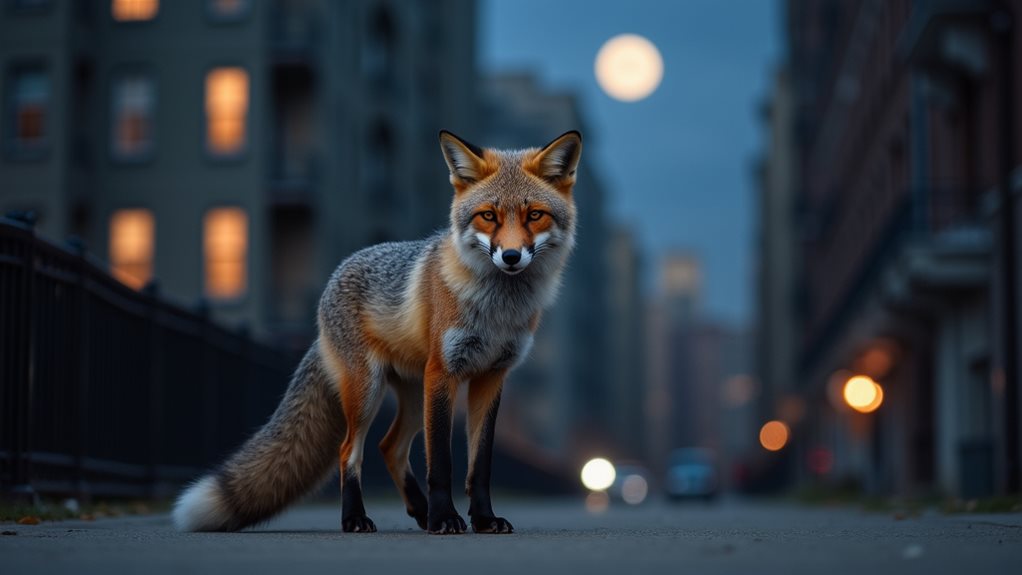
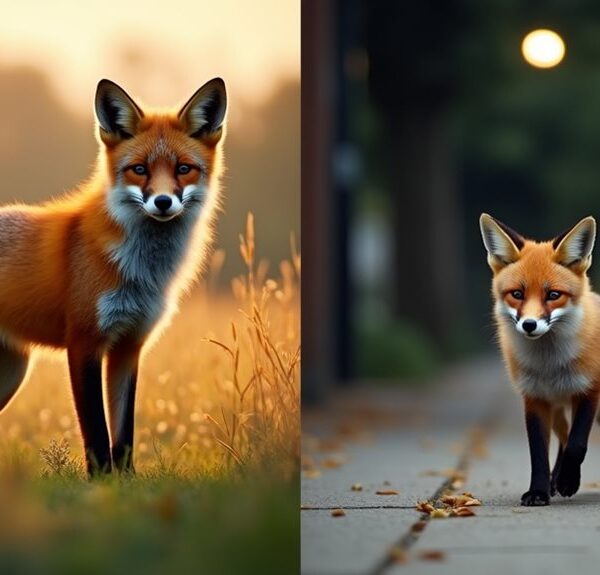
Urban foxes might seem to have it made with access to discarded food, shelter opportunities, and fewer natural predators, but city life isn’t necessarily a ticket to longevity for these adaptable creatures.
While their urban adaptations allow them to thrive in human environments, their diet variations often include less nutritious processed foods compared to their rural cousins’ natural prey.
City foxes face unique challenges that impact their lifespan:
- Traffic accidents claim countless fox lives annually, making roads their number one urban predator.
- Exposure to rodenticides and other toxins can cause painful, slow deaths.
- Higher population density increases disease transmission, particularly mange and distemper.
- Human-wildlife conflicts sometimes lead to intentional harm or relocation.
Besides these threats, urban foxes must navigate human-wildlife interactions which can alter their behaviors and habitats significantly.
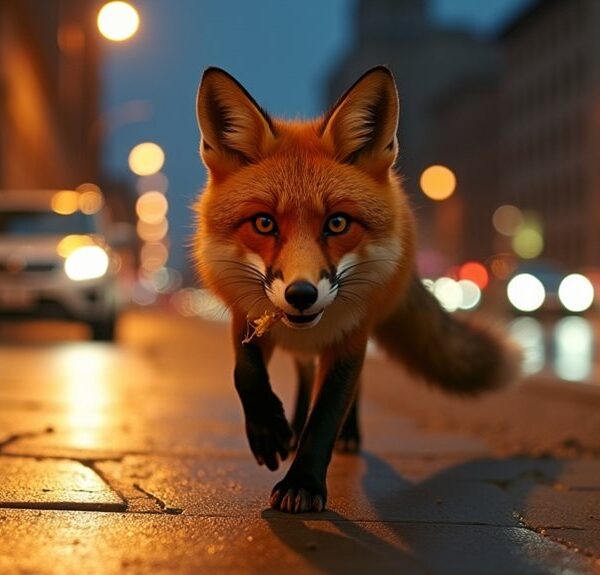
You’ll often spot these clever creatures darting between shadows at dusk, maneuvering a world that offers both opportunity and danger.
Natural Predators and Their Impact on Fox Mortality
You’ll find that wild foxes face several formidable predators, including wolves, coyotes, and eagles, which greatly impact their population numbers.
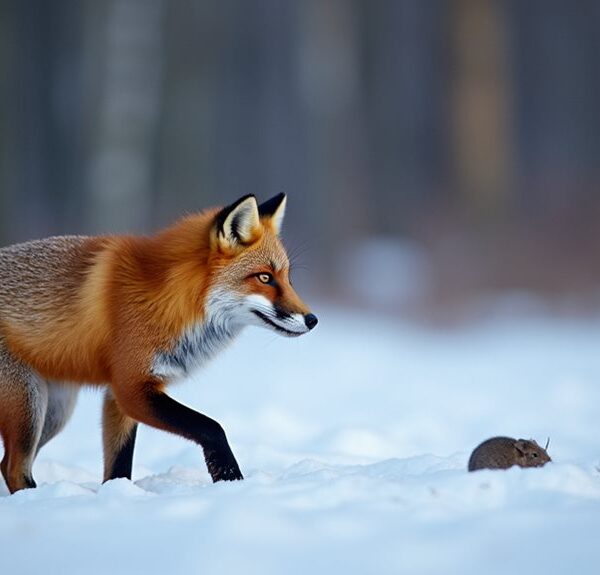
Your average fox must constantly steer through these threats, with studies showing that up to 60% of fox mortality in some regions can be attributed to predation.
When you consider these survival challenges, it’s easier to understand why foxes have evolved their remarkable agility, keen senses, and clever hiding behaviors.
Key Predatory Species
While foxes may seem like skilled predators themselves, they’re actually vulnerable to several larger carnivores in the wild. Their survival constantly hangs in the balance as they traverse territories shared with formidable hunters.
Understanding these predatory relationships helps explain the delicate ecological balance that shapes fox populations worldwide.
The main predators that greatly impact fox lifespans include:
- Wolves – These pack hunters will actively eliminate foxes to reduce competition for prey.
- Coyotes – Particularly aggressive toward red foxes, often driving them from shared territories.
- Eagles and large owls – Capable of snatching young foxes or even small adults.
- Humans – Through fox hunting, habitat destruction, and vehicle collisions.
You’ll find that in areas with higher predator density, foxes typically develop more cautious behaviors and may even alter their hunting patterns to survive. Additionally, their adaptability allows them to thrive in diverse habitats despite the constant pressures from competitors and predators.
Predation Survival Rates
Despite their notable agility and cunning, wild foxes face considerable mortality from natural predators, with survival rates varying dramatically across different environments and seasons.
You’ll find that in dense forest regions, only about 30% of fox kits survive their first year, while open grassland populations see slightly higher rates at 40-45%.
When it comes to fox predation, larger carnivores like wolves, coyotes, and eagles don’t give these clever creatures much of a break!
Their survival strategies include impressive burrow systems with multiple escape routes, nocturnal activity patterns, and that famous “fox freeze” technique where they’ll suddenly become motionless to avoid detection.
You might be surprised to learn that young foxes develop these survival instincts within just weeks of leaving their dens—nature’s crash course in staying alive! Additionally, predatory threats from larger carnivores significantly influence fox populations and mortality rates in their habitats.
Disease and Parasites: Silent Killers in Fox Populations
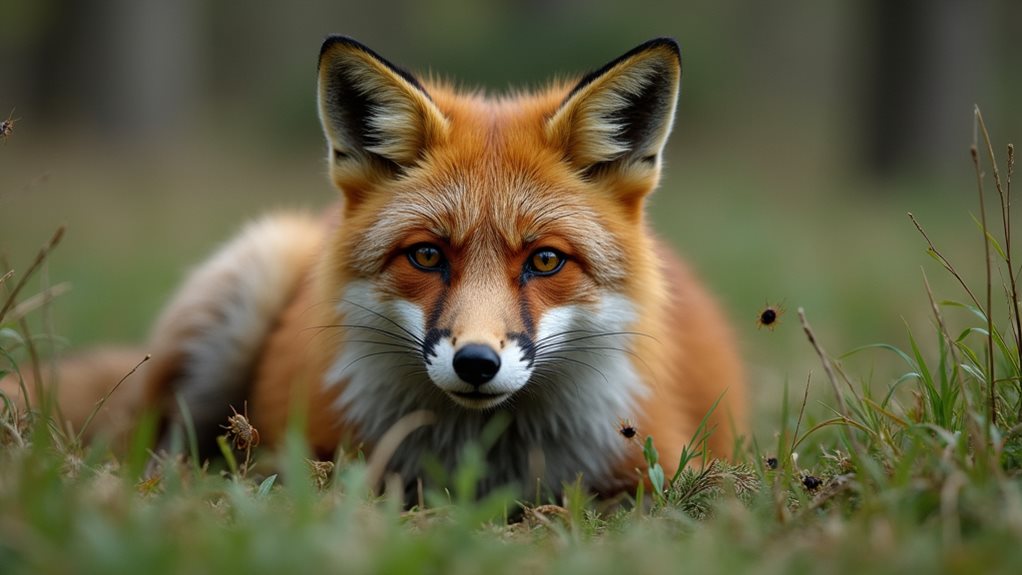
Although often unseen, diseases and parasites play a major role in limiting wild fox populations worldwide. You’d be surprised how these silent threats can reduce a fox’s lifespan by several years. Disease transmission often occurs through direct contact with infected animals or contaminated environments, while parasite control remains challenging in wild settings. When studying fox mortality, researchers commonly identify these major health threats:
The invisible predators – diseases and parasites – silently shape fox populations across the globe.
- Sarcoptic mange – causes intense itching, hair loss, and often death if left untreated
- Rabies – a fatal viral disease that affects the nervous system
- Canine distemper – highly contagious with a mortality rate exceeding 50%
- Intestinal parasites – including hookworms and roundworms that can cause malnutrition
These health challenges, combined with other environmental pressures, help explain why many foxes don’t reach their potential maximum age in the wild. Moreover, increased competition for food and territory among foxes can exacerbate stress and susceptibility to aggressive behavior during illness, further compromising their survival.
Human Influence: Hunting, Trapping, and Habitat Loss
You’ll find that human activities notably impact fox populations through hunting, trapping, and destruction of natural habitats.
When cities expand into fox territory, these adaptable animals often struggle to find food and safe denning sites, leading to shorter lifespans and smaller populations.
Conservation efforts, while promising in some regions, haven’t fully offset these negative influences, highlighting the need for more extensive wildlife protection strategies.
Hunting Impact Assessment
Throughout history, human activity has dramatically altered fox populations across their natural ranges.
You’ll notice that foxes have adapted their hunting techniques and changed how they find prey when humans intensify hunting pressure in their territories.
Research shows hunting affects fox populations in four notable ways:
- Reduced lifespan – hunted populations live 2-3 years less than protected ones
- Altered breeding patterns – foxes produce larger litters when population numbers drop
- Territory shifts – surviving foxes quickly move into areas vacated by hunted animals
- Behavioral adaptations – foxes become more nocturnal to avoid human contact
When you consider these impacts, it’s clear why fox populations fluctuate so dramatically in areas with seasonal hunting.
Despite these pressures, foxes remain remarkably resilient, though their average lifespans continue to decline in heavily hunted regions.
Urban Encroachment Effects
As cities expand into natural habitats, wild foxes face unprecedented challenges to their survival.
You’ll notice these clever creatures adapting to urban habitats, often making homes in parks, abandoned lots, and even under porches. While this adaptability is impressive, it comes with serious drawbacks.
Food scarcity becomes a major issue when foxes can’t hunt naturally. They’ll turn to garbage cans and pet food instead of their typical prey, leading to nutritional deficiencies.
Plus, these urban foxes face dangers you mightn’t consider—traffic accidents claim countless fox lives annually, while rat poison and other toxins create invisible threats.
Despite these challenges, some fox populations are finding ways to thrive alongside humans. Their remarkable ability to adapt shows nature’s resilience, even as we continue to reshape wild spaces.
Conservation Effort Efficacy
Conservation efforts aimed at protecting wild fox populations have yielded mixed results over the past decade.
You’ll find that some conservation strategies have shown promising outcomes, while others struggle against ongoing challenges like urbanization and climate change.
When you support habitat restoration projects, you’re helping foxes in four key ways:
- Expanding safe breeding territories
- Increasing natural food sources
- Reducing human-fox conflicts
- Creating wildlife corridors for population movement
You might wonder if these efforts actually work.
The truth is, in areas where thorough conservation strategies have been implemented, fox populations have stabilized.
Initiatives combining public education with habitat restoration prove most effective.
You can make a difference by supporting local wildlife preservation groups that focus on maintaining the delicate balance these adaptable creatures need to thrive.
Captive vs. Wild: The Dramatic Lifespan Disparity
When comparing fox lifespans in different environments, the contrast couldn’t be more striking. Wild foxes typically live just 2-4 years, while their captive counterparts often reach 10-14 years of age. You might wonder why such a dramatic difference exists.
The dramatic gap between wild foxes’ brief 2-4 year lives and captive foxes’ decade-plus lifespans reveals nature’s harsh reality.
In captivity, foxes benefit from regular veterinary care, consistent nutrition, and protection from predators and harsh weather conditions. Captive breeding programs have also revealed fascinating insights about lifespan genetics, showing how environmental factors can greatly influence longevity even when genetic makeup remains similar.
You’ll find that wild foxes face daily challenges that captive foxes simply don’t—disease, competition for food, human-wildlife conflicts, and predation all contribute to their shorter lives.
This stark difference highlights just how tough survival is in nature’s unforgiving environment.
Seasonal Challenges: How Weather Affects Fox Longevity
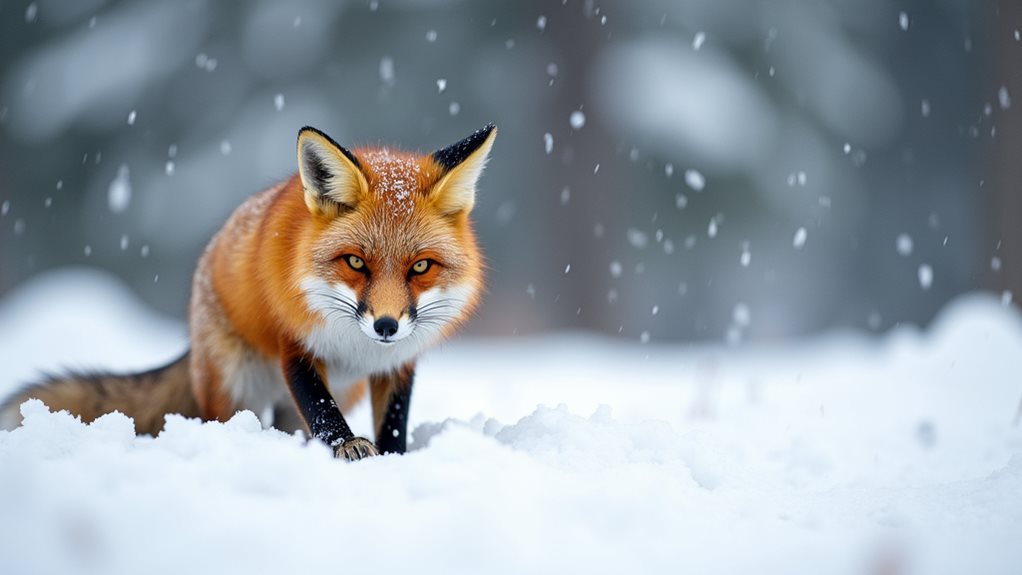
The changing seasons bring unique survival challenges that greatly impact how long wild foxes live in their natural habitats.
These clever creatures rely on remarkable weather adaptation skills to maneuver through nature’s harshest conditions, but they don’t always succeed.
When you consider what foxes endure throughout the year, you’ll understand their struggle:
- Winter’s brutal cold forces foxes to burn extra calories just staying warm, often when food is scarcest.
- Spring flooding can destroy dens with vulnerable newborn kits.
- Summer droughts dramatically reduce seasonal food availability, causing malnutrition.
- Autumn preparation failures can mean the difference between surviving winter or not.
You might be surprised how these seasonal patterns create a rhythm of life and death that few foxes manage to maneuver for more than 2-3 years.
Conservation Efforts and Their Effect on Fox Survival Rates
Despite ongoing habitat loss and human encroachment, efforts to protect wild fox populations have shown promising results in recent years.
You’ve likely noticed more conservation strategies focusing on these clever creatures, with wildlife organizations implementing programs that reduce road mortality and limit hunting in vulnerable areas.
Habitat restoration projects have made particularly noteworthy impacts.
Thoughtful restoration of natural ecosystems remains the cornerstone of successful fox conservation efforts across diverse landscapes.
When you restore native vegetation and create wildlife corridors, you’re giving foxes safe passages between fragmented habitats. These projects have increased survival rates by up to 30% in some regions!
Many communities are also embracing educational programs that teach coexistence rather than conflict.
Final Thoughts
As you’ve now seen, wild foxes live brief but vibrant lives, typically 2-4 years—like candles that burn twice as bright for half as long. They’re constantly maneuvering through nature’s obstacles and human threats, while their captive counterparts can reach 15 years. Next time you glimpse that rusty flash in the woods, you’re witnessing a survivor who’s beating the odds in a world that doesn’t make survival easy for these resilient creatures.