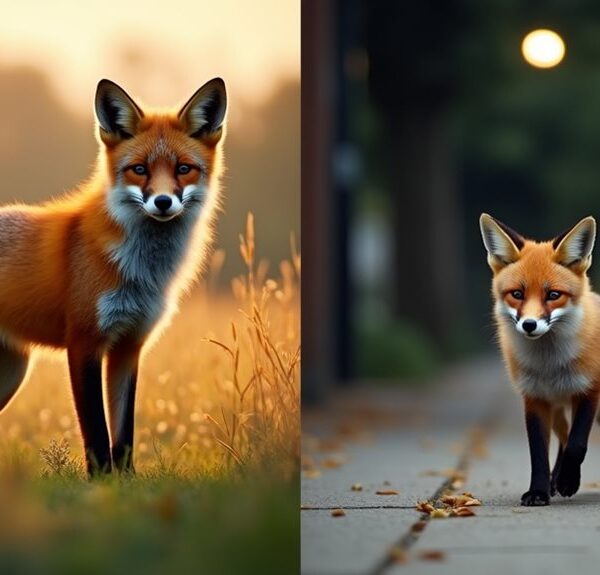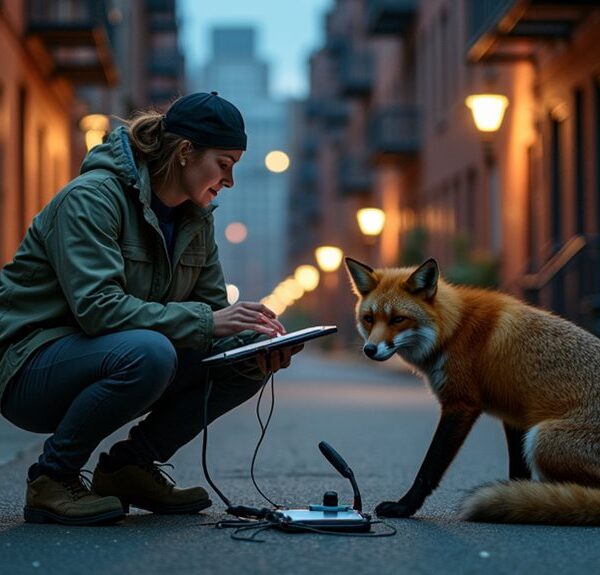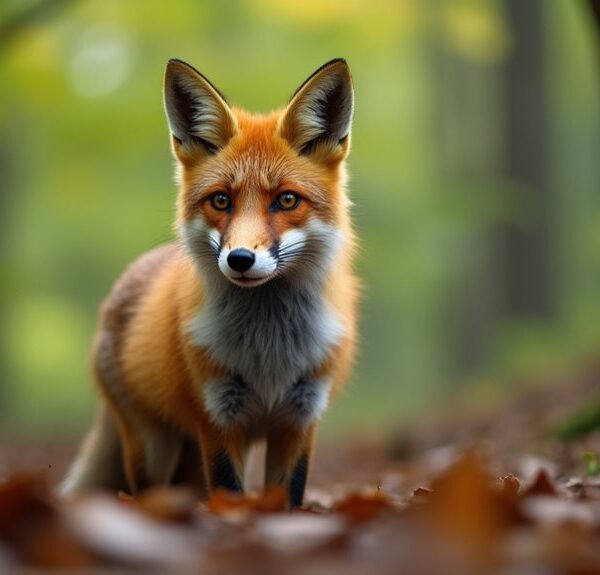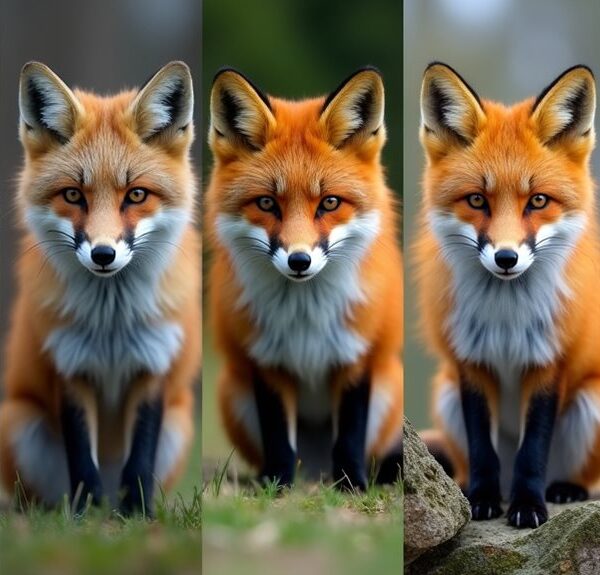
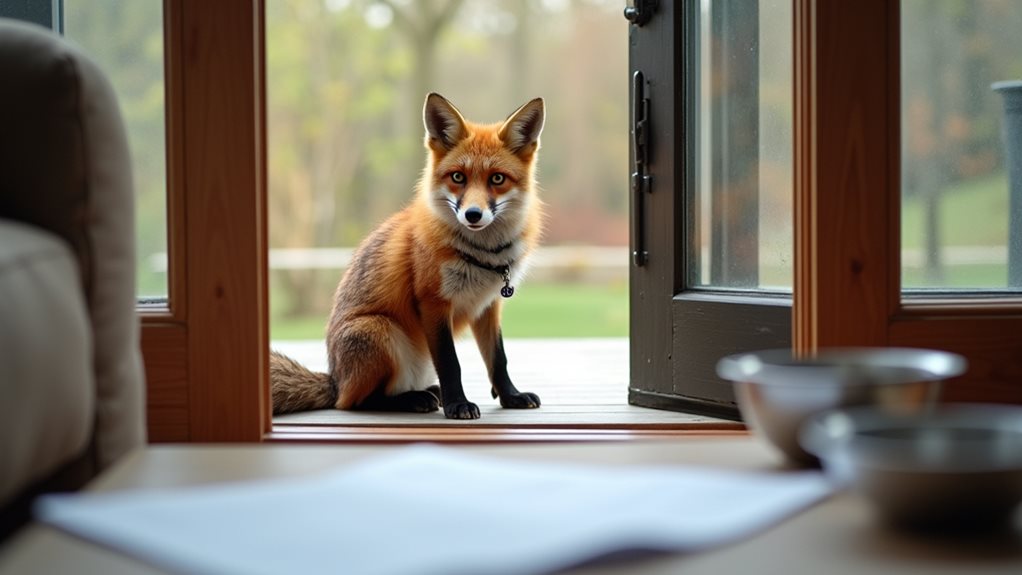
Keeping a fox as a pet is legally complex and varies widely by location. While the Russian Silver Fox is the only truly domesticated species, most foxes remain wild animals with specialized needs. You’ll face strict housing requirements, exotic vet care challenges, and annual costs exceeding $10,000. Laws differ dramatically—some states permit certain species with proper permits, while others ban them entirely. The realities of fox ownership extend far beyond the cute photos you’ve seen online.
Contents
- 1 The Legal Landscape of Fox Ownership in the United States
- 2 International Regulations on Keeping Foxes as Pets
- 3 Which Fox Species Can Be Domesticated
- 4 Housing Requirements for Captive Foxes
- 5 Proper Nutrition and Feeding Practices
- 6 Fox Behavior and Temperament in Domestic Settings
- 7 Finding Exotic Animal Veterinary Care
- 8 The True Cost of Fox Ownership
- 9 Ethical Considerations of Keeping Wild Animals
- 10 Alternative Ways to Connect With Foxes
- 11 Final Thoughts
The Legal Landscape of Fox Ownership in the United States
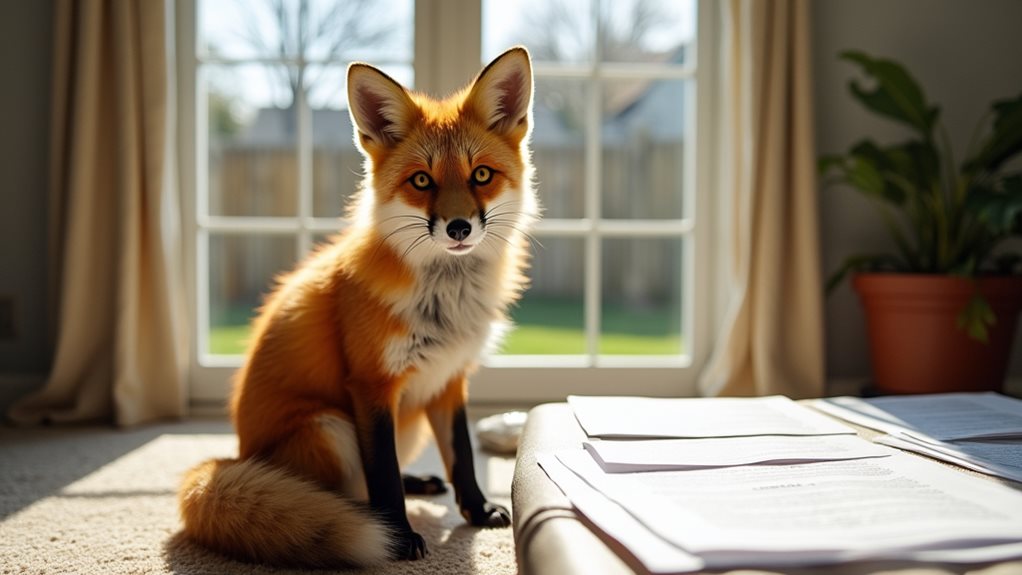
Contrary to what many animal enthusiasts believe, the rules for owning a fox in America aren’t straightforward at all.
Fox ownership varies dramatically from state to state, with some banning them outright while others permit only certain species. You’ll need to explore your local regulations before even considering bringing one home.
The legal implications of owning a fox extend beyond just permits.
Many states require specialized wildlife licenses, annual inspections, and proof of proper enclosures. You might also need liability insurance—a hint at how seriously authorities take exotic pet ownership!
International Regulations on Keeping Foxes as Pets
If you’re considering a fox pet but live outside the US, you’ll need to traverse a complex web of international regulations that vary dramatically by region.
In many countries, you’ll face substantial hurdles when trying to import or export foxes across national borders, often requiring special permits, health certificates, and quarantine periods.
Japan, Russia, and the UK each maintain their own distinct fox ownership laws, with some permitting only certain domesticated species while others ban fox ownership entirely.
Regional Permit Variations
While many dream of having a fox companion, the legal reality varies dramatically depending on where you live. Regional regulations create a patchwork of possibilities, with some states outright banning fox ownership while others offer specific permit requirements.
You’ll find that even within a single country, the rules can shift dramatically as you cross state or county lines. In the U.S., for example, states like Indiana and Michigan allow certain fox species with the proper permits, while California and Texas have much stricter prohibitions.
Local ordinances might impose additional restrictions beyond state laws. Before you get your heart set on a fox, research your area’s specific requirements. The permit process can be complex, often involving inspections, liability insurance, and detailed documentation of your fox-keeping capabilities. Additionally, many states require permits for ownership to ensure responsible care and compliance with regulations.
Import/Export Legal Hurdles
Crossing international borders with a fox—or attempting to import one from another country—presents some of the most complex challenges you’ll face as a potential fox owner.
International wildlife trade regulations, including CITES (Convention on International Trade in Endangered Species), strictly control fox movement across borders.
You’ll need to maneuver through a maze of import/export challenges, including health certificates, quarantine requirements, and special permits that vary wildly between countries.
Many nations flat-out prohibit fox importation, while others require extensive documentation proving the animal was legally acquired.
Don’t think you can skirt these rules! Illegal wildlife trafficking carries severe penalties, including hefty fines and potential jail time.
Before setting your heart on a fox from abroad, consult with wildlife authorities in both your country and the source country to understand the complete legal picture.
Country-Specific Fox Laws
Because fox ownership laws differ dramatically around the globe, you’ll need to research your specific country’s regulations before bringing home your fuzzy friend.
In the UK, for instance, you can legally keep certain fox species, while Australia strictly prohibits them as invasive threats to wildlife conservation.
Japan accepts fox ownership more openly, with specialized breeders and fewer restrictions.
When considering fox ownership ethics, remember that what’s legal isn’t always ethical.
Many countries restrict fox ownership because these animals play vital ecological roles in their native habitats.
Additionally, in several regions, specific legal permits are often required for ownership, making thorough research even more crucial.
Before pursuing a pet fox, ask yourself: Am I supporting the disruption of natural ecosystems? Could my desire for an exotic pet contribute to wildlife trafficking?
Your choice impacts broader conservation efforts, so weigh your personal wishes against the collective responsibility to protect wildlife.
Which Fox Species Can Be Domesticated
When considering a fox as a pet, you’ll need to understand that only certain species can truly adapt to domestic life.
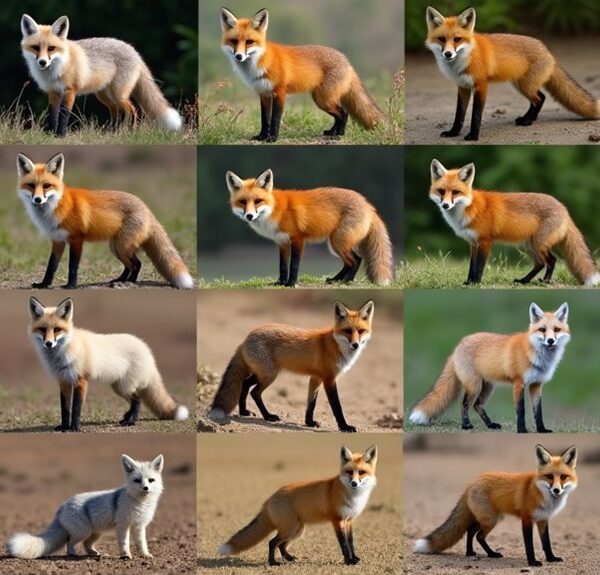
The Russian Silver Fox, bred through a decades-long experiment, remains the only genuinely domesticated fox species, while others like Red, Fennec, and Arctic foxes are merely tameable but not fully domesticated.
It’s essential to recognize this distinction, as a tamed wild animal still retains its natural instincts and behaviors, unlike domesticated animals that have undergone genetic changes to live comfortably with humans. Additionally, the domestication of the Russian Silver Fox highlights important differences between foxes and dogs and their respective interactions with humans.
Potential Fox Pet Species
Foxes come in many varieties, but not all are suitable for life as a pet. When considering fox species for domestication, it’s important to understand that these animals retain their wild instincts regardless of breeding.
Even the most “domesticated” foxes require specialized pet care that differs greatly from dogs or cats.
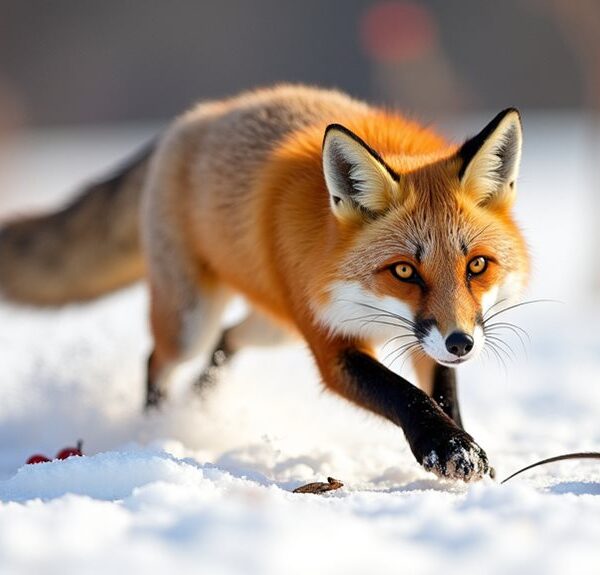
- Red foxes, while commonly seen in wildlife, make challenging pets due to their strong digging habits and musky scent.
- Fennec foxes, with their adorable large ears, are sometimes kept as exotic pets but need desert-like conditions.
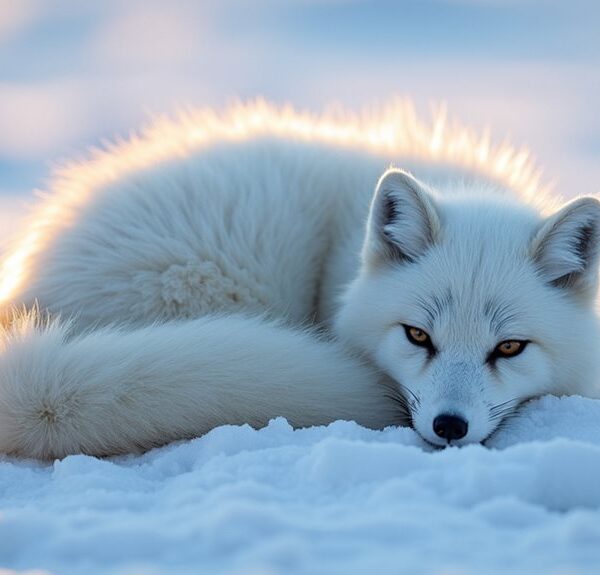
- Arctic foxes are almost impossible to properly house due to their temperature needs.
- Silver foxes from Russia’s famous domestication experiment show more dog-like traits but still aren’t truly domesticated. These challenges highlight the need to understand fox species and their specific care requirements.
Domestication vs. Taming
Understanding the difference between domestication and taming is key to grasping why you can’t simply adopt a wild fox and expect it to behave like a dog.
Domestication happens over many generations, where animals are selectively bred for friendliness toward humans. The famous Russian silver fox experiment, started in 1959, created true domestic foxes through this process.
In contrast, taming is just teaching a wild animal to tolerate human presence—it doesn’t change their wild instincts.
Even a tamed fox will maintain unpredictable behaviors: they may mark territory with strong-smelling urine, dig through your furniture, or become aggressive during breeding season. Their natural behaviors don’t disappear with human handling.
True domestic foxes are rare and expensive, costing upwards of $9,000, while most “pet foxes” remain wild animals in captivity, retaining their natural tendencies regardless of human influence. Proper enclosure and environmental needs are crucial to ensure a safe living environment for any fox, highlighting the extensive care requirements needed for these animals.
Housing Requirements for Captive Foxes
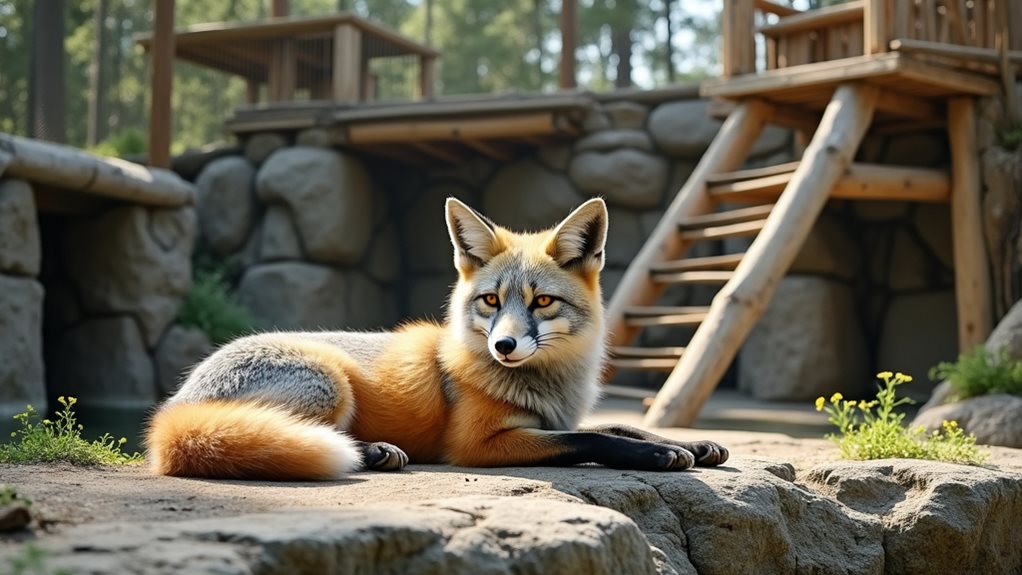
The proper housing setup for a pet fox isn’t just important—it’s absolutely vital for their physical and mental wellbeing.
You’ll need to invest greatly in creating an appropriate environment that accommodates their natural behaviors. Foxes aren’t like dogs or cats—they require specialized housing space that reflects their wild instincts.
- Your enclosure materials must be escape-proof with reinforced fencing that extends at least 4 feet underground to prevent digging out.
- You’ll need at least 100 square feet of outdoor space per fox, with climbing structures, hiding spots, and digging areas.
- Temperature control is fundamental—foxes need protection from extreme heat and adequate shelter during cold weather.
- Enrichment features like tunnels, puzzle toys, and rotating novel objects help prevent boredom and destructive behaviors. Additionally, it’s important to provide a space that allows for their natural curiosity and exploration, as this mimics their behavior in the wild and supports their overall health.
Proper Nutrition and Feeding Practices
When it comes to keeping your fox healthy and thriving, proper nutrition stands as one of the most challenging aspects of exotic pet ownership.
Unlike dogs or cats, foxes have complex nutritional needs that mimic their wild diet—a combination of small prey, insects, fruits, and vegetables.
You’ll need to establish a consistent feeding schedule, typically offering meals twice daily.
A proper fox diet includes high-quality dog food supplemented with raw meats, eggs, insects, and seasonal fruits.
Don’t be surprised if your fox “caches” food, hiding portions for later—it’s completely natural! Additionally, ensuring a balanced diet that reflects their natural eating habits will support your fox’s overall health and well-being.
Fox Behavior and Temperament in Domestic Settings
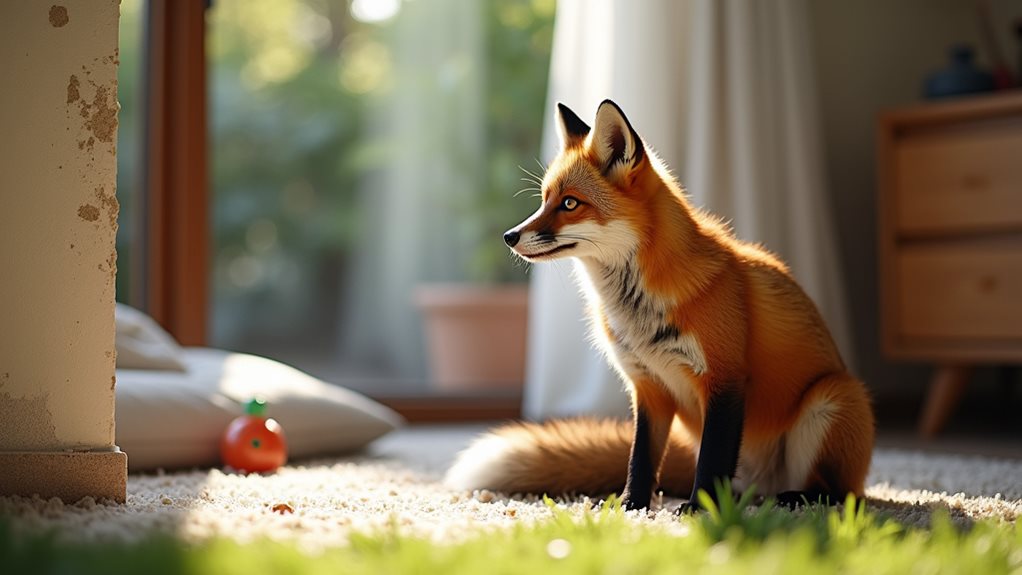
You’ll quickly notice that foxes retain many of their wild instincts, even when raised from kits in captivity.
Their natural behaviors, like scent marking and digging, don’t simply vanish through domestication, making socialization a complex, ongoing process.
Unlike dogs who’ve evolved alongside humans for thousands of years, your fox companion will present unique challenges that require patience, consistent training, and an understanding that they’ll never fully behave like traditional household pets.
Additionally, their highly sensitive ears enable them to detect sounds from far away, contributing to their spirited and curious nature.
Wild vs. Captive Instincts
Despite domestication efforts, foxes retain many of their wild instincts even when raised in captivity from birth.
You’ll notice that captive instincts differ greatly from those of truly domesticated animals like dogs or cats. When you bring a fox into your home, you’re inviting a creature that’s only partially adapted to human companionship.
- They’ll mark territory with strong-smelling urine that’s nearly impossible to eliminate.
- They may become destructive during seasonal changes, digging at floors and furniture.
- Their prey drive remains strong, putting smaller pets at risk.
- They often become more aggressive and unpredictable during breeding season.
Understanding this wild-captive instinct balance is essential if you’re considering a fox as a pet. Additionally, recognizing that some foxes are naturally more bold in behavior can help set realistic expectations for interactions.
While they can form bonds with humans, they’ll never completely shed their wild nature.
Socialization Challenges
Socializing a fox presents unique challenges that even experienced exotic pet owners find intimidating. Unlike dogs, foxes haven’t undergone thousands of years of domestication, so they don’t naturally respond to human social cues.
You’ll face notable socialization difficulties as your fox may remain skittish and unpredictable despite your best efforts.
Behavioral training with foxes requires extraordinary patience, as they don’t have the people-pleasing instincts of domestic pets. They’re notoriously stubborn and independent, often ignoring commands they’ve previously mastered.
What works on Monday might be completely ineffective by Wednesday! Their socialization window is also extremely narrow—if you miss those critical early weeks, you’ll likely never achieve the bond you’re hoping for.
Even well-socialized foxes typically maintain strong wild instincts that can emerge unexpectedly, especially during breeding season. Additionally, understanding their dietary habits is essential, as it can influence their behavior and well-being in a domestic setting.
Finding Exotic Animal Veterinary Care
When your fox needs medical attention, locating a qualified veterinarian becomes one of your most vital responsibilities as an exotic pet owner. Not every vet has experience with foxes, and you’ll need to find specialized exotic animal veterinary services before an emergency arises.
Call clinics in advance and ask about their experience with foxes specifically.
- Most standard pet insurance won’t cover exotic animals like foxes
- Exotic vet visits typically cost 2-3 times more than regular pet check-ups
- You may need to travel considerable distances to reach a qualified exotic animal vet
- Emergency care options are extremely limited, so preventative care is imperative
Don’t wait until your fox is sick to start your search. Building a relationship with a knowledgeable vet guarantees your unique pet receives proper care throughout its life.
The True Cost of Fox Ownership
Beyond the specialized veterinary care already mentioned, the financial reality of fox ownership extends far deeper into your wallet than most prospective owners realize.
You’ll face ongoing expenses for specialized diets, habitat maintenance, enrichment toys, and potential property damage from their natural digging and marking behaviors.
The time commitment shouldn’t be underestimated either. Unlike cats or dogs, foxes can’t be left alone for extended periods.
You’ll need to dedicate several hours daily to socialization, exercise, and mental stimulation. Many fox owners find themselves restructuring their entire lives around these demanding pets.
When you factor in the initial purchase price (often $300-$8,000 depending on species), plus the lifetime financial responsibilities that can exceed $10,000 annually, fox ownership becomes a serious investment of both money and lifestyle.
Ethical Considerations of Keeping Wild Animals
Although foxes make fascinating companions, the ethics of keeping these wild animals as pets deserves serious reflection. When you’re considering a fox as a pet, you’re facing several ethical dilemmas that impact both the animal and wildlife conservation efforts.
These beautiful creatures aren’t domesticated like dogs or cats, despite their appealing, fox-like charm.
- Foxes have instinctual needs that can’t be fully met in captivity, leading to potential stress.
- Your pet fox represents one less animal contributing to wild fox populations.
- Exotic pet ownership often encourages illegal wildlife trafficking.
- The resources needed to properly care for a fox could support conservation programs instead.
You’ll need to weigh your desire for a unique pet against the broader implications for animal welfare and ecosystem balance.
Alternative Ways to Connect With Foxes
There are four wonderful ways to connect with foxes that don’t involve keeping them as pets.
First, try fox watching in their natural habitat—early mornings and dusk are perfect times to spot these clever creatures. You’ll get to observe their true behaviors without disrupting their lives.
Second, consider supporting wildlife conservation efforts that protect fox populations and their ecosystems. Your donations make a real difference!
Third, volunteer at a wildlife rehabilitation center that cares for injured foxes. You’ll gain hands-on experience while helping these animals return to the wild.
Finally, join a local naturalist group that organizes educational outings focused on foxes and other wildlife.
These alternatives offer meaningful connections with foxes while respecting their wild nature—much better than trying to domesticate these beautiful animals.
Final Thoughts
As you close this chapter on fox ownership, picture yourself standing at a crossroads. The path to keeping a fox is lined with legal hurdles, financial commitments, and ethical questions that can’t be ignored. While their bushy tails and clever antics might tug at your heart, remember there are gentler ways to connect with these wild spirits without bringing them into your home. Your fox fascination doesn’t have to come at their freedom’s expense.